
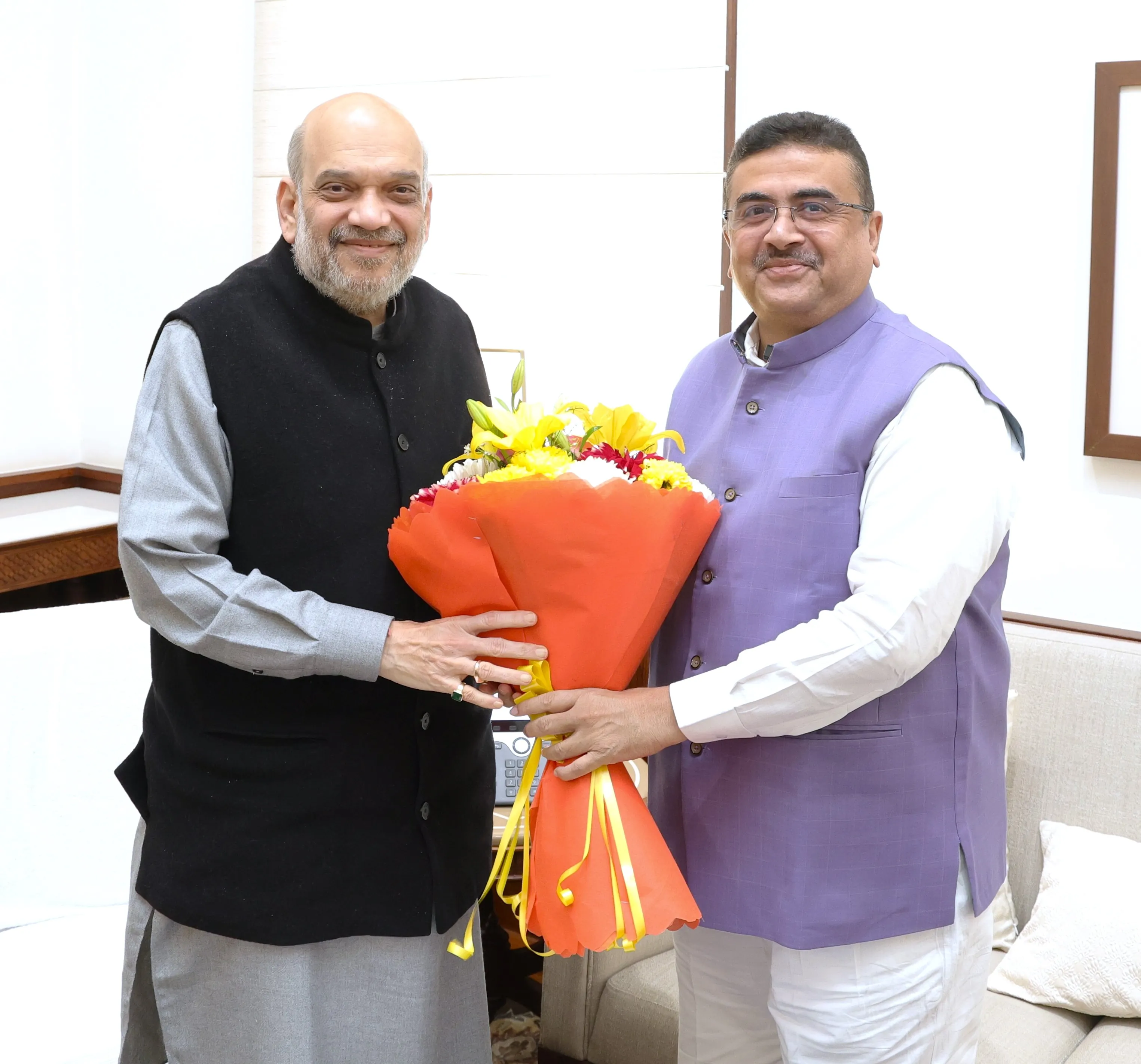
The newly elected BJP administration in West Bengal is dismantling the state’s previous welfare architecture to fulfill a core 2026 electoral promise. Chief Minister Suvendu Adhikari’s government officially notified the Annapurna Yojana, setting a June 1, 2026, launch date for the direct benefit transfer program. The state will provide a flat ₹3,000 monthly payment to eligible women aged 25 to 60.
The application window opened Wednesday, requiring residents to submit the annapurna bhandar form alongside specific verification documents. Payments will bypass intermediaries, transferring directly into Aadhaar-linked bank accounts via the Direct Benefit Transfer (DBT) system.
Stricter Fiscal Screening and Migration
To offset the increased individual payouts, the state finance department instituted strict eligibility filters to target lower-income households. The program explicitly excludes women who pay income tax, hold permanent government employment, or draw a regular government pension. Valid existing beneficiaries of the previous administration’s program will not need to reapply, bypassing the initial screening process through an automatic migration of existing Lakshmir Bhandar accounts to the new platform.
The ₹3,000 monthly distribution effectively doubles the state’s previous baseline for women’s welfare. The outgoing model distributed between ₹1,500 and ₹1,700 monthly. The higher threshold alters the financial math compared to the outgoing Lakshmir Bhandar scheme, demanding a significant reallocation of the state budget to sustain the cash flow.
Budget Reallocation Under Chief Minister Suvendu Adhikari
Replacing the Trinamool Congress’s flagship welfare model with the Annapurna Yojana creates immediate liquidity pressure on the West Bengal treasury. By doubling the individual payout while capping the total applicant pool through income tax and employment exemptions, the Adhikari administration is attempting to consolidate cash distribution to the lowest income brackets without detonating the state’s fiscal deficit.
The success of this financial restructuring relies entirely on the state’s ability to efficiently purge ineligible recipients from the migrated database. State financial officials must clear the verification backlog before the first round of ₹3,000 disbursements clears the banking system on June 1.