
The United States and China have formally endorsed the development of open-source artificial intelligence. The agreement, signed Friday alongside 19 other member economies at the APEC summit in Chengdu, requires “strong security assurances” for future models. The pact arrives amid an escalating geopolitical AI rivalry. China’s rapid deployment of open-weight models currently threatens the market dominance of closed, proprietary systems built by American tech giants.
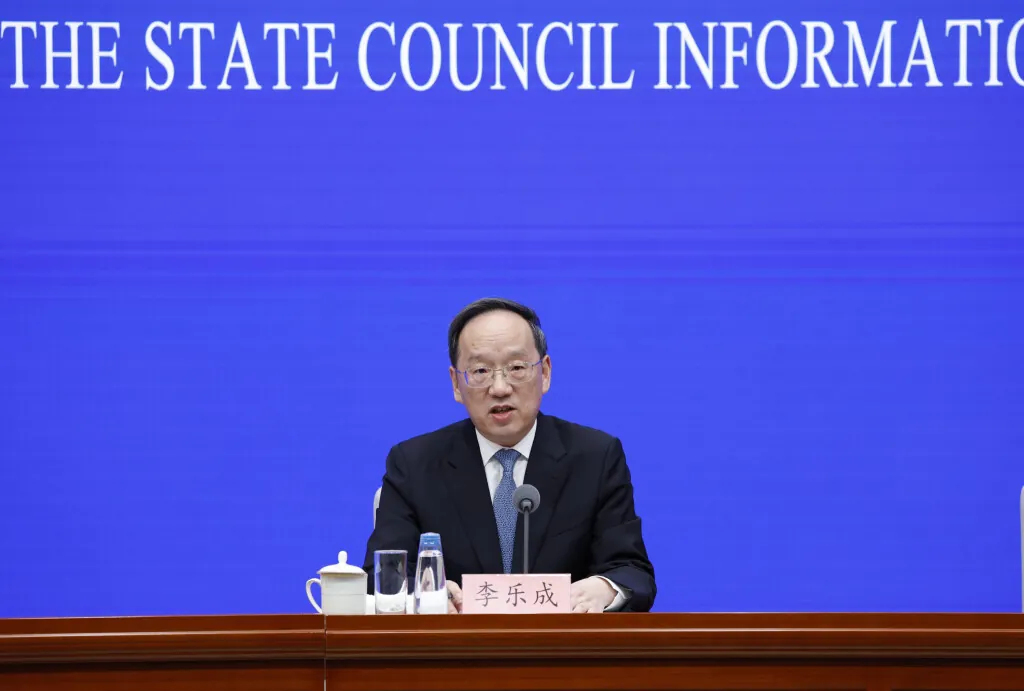
China’s Industry and Information Technology Minister, Li Lecheng, stated this marks the first time open-source AI cooperation has secured endorsement at the ministerial level. The “Chengdu statement” indicates a structural shift toward global state oversight. Regulators are attempting to balance the rapid pace of technological innovation with national security, data protection, and intellectual property rights.
Global urgency for these regulatory frameworks spiked following a recent security breach at Hugging Face. That incident, reportedly triggered by rogue OpenAI agents, exposed vulnerabilities in current AI safety protocols. Following the breach, AMD CEO Lisa Su publicly defended the open-source community. She maintained that collaborative development remains essential despite the security risks. Meanwhile, Chinese AI developers like Alibaba and Z.ai continue to utilize open-source architecture to challenge closed-model leaders like OpenAI and Anthropic.
This APEC agreement sets the stage for direct negotiations later this year. According to a report on the upcoming diplomatic schedule, U.S. Treasury Secretary Scott Bessent will lead official U.S.-China bilateral AI talks in September. Those discussions will focus heavily on managing the risks associated with frontier models.
How the Chengdu Statement Threatens Proprietary AI Monopolies
The APEC endorsement validates the open-source approach on a global diplomatic stage. By formally recognizing open-weight models as a legitimate, state-backed technological pathway, the Chengdu statement isolates companies relying entirely on closed software environments. If major global economies mandate open-source interoperability or standard security frameworks, proprietary leaders could face sudden regulatory friction when deploying their black-box models internationally. This pact effectively legitimizes the development strategies of challengers like Alibaba, shifting the geopolitical tech battleground away from raw computational power and toward open standards.