
Imagine a crime scene. Dust motes dance in sunbeams. Evidence lies scattered. For years, investigators worked with tape measures and cameras, meticulously documenting everything. But what if they missed something? What if time or changing conditions blurred a crucial detail? Now, a new tool is bringing these moments back to life, letting police and judges step virtually into the past.
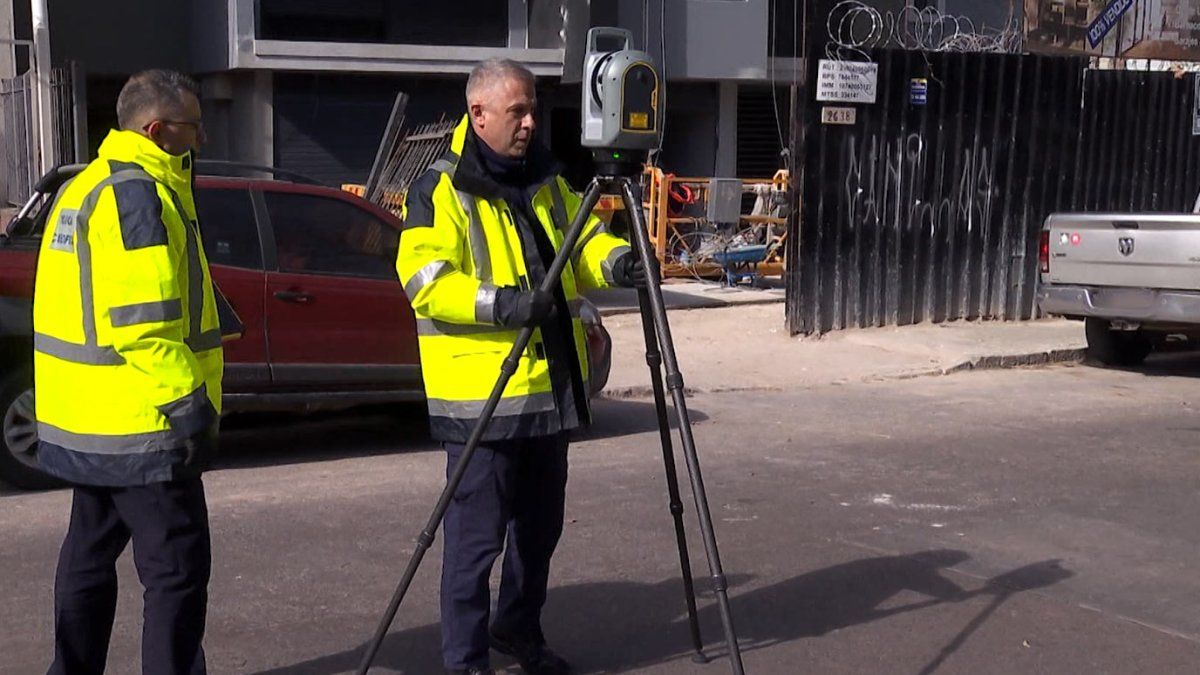
Forensic police in Uruguay have started using a special 3D scanner. It lets them record crime scenes with incredible detail. They can then go back to these scenes as often as they need to, no matter how much time passes or if the real location changes. This means the evidence stays perfect.
This device sends out a beam of light. In just seconds, it creates millions of points. These points digitally rebuild the scene in three dimensions. Police and the justice system can then return to the virtual crime scene exactly as it was when it was first recorded. They can measure distances with great accuracy. They can figure out where people and objects were during the event. They can even see small details that might have been missed during the original fieldwork.
Before this, forensic police documented scenes by hand, taking measurements and photos with reflex cameras. The 3D scanner does this same work in seconds, but with much higher precision. Still, officers need training. They must learn how to use the equipment on site and how to handle the data in the lab.
"It’s a complete change in how we view criminalistics and forensic work in this nation," Víctor Capuchio told News Agency. He heads the image and acoustics division of the forensic police. He added that the software allows investigators to "project the expert’s idea of what, to their best knowledge, actually happened."
A Costly but Game-Changing Tool
This advanced technology is not cheap. The scanner itself costs about $60,000. But with the software and training included, the total investment reaches $100,000. Despite the cost, its accuracy has been vital in tough cases. One example is the deadly accident on Route 104 in January 2023, near Manantiales.
In that crash, two Argentine models died, and two others were seriously hurt. Just two weeks ago, an Argentine man who was driving the other car was sentenced to five and a half years in prison. His defense claimed the Argentine models had crossed into his lane. The victims’ lawyers said the opposite was true.
Police didn’t use the scanner at the scene because they still needed more training. However, they did use the associated software. This software helped them recreate the accident. This expert analysis was crucial in figuring out what happened during the crash. It was used along with a technical report on traffic accidents that determined the cause.
Using measurements taken at the scene and the virtual recreation from the scanner’s software, forensic police found that the convicted driver’s Volkswagen Nivus pickup truck was the one that crossed the lane. This detail was seen in the expert report, which News Agency accessed.
Beyond Car Crashes
The 3D scanner also helps investigate workplace accidents, fires, and homicides. For example, a big fire happened in a store in the Reus neighborhood on July 3. The digital reconstruction is helping to figure out where the fire started. That investigation is still active.
The scene of the femicide of Valentina Cancela, 17, was also recreated. This crime happened in Punta del Este on August 16, 2024. Data like the victim’s and attacker’s weight and height were entered. The location of wounds, based on forensic reports and examinations of their clothing, was also added. This allowed investigators to pinpoint exactly how and where they were positioned when the crime happened.
"The recreation comes from the scientific file, with data gathered at the scene," explained lead officer Agustín Da Luz. "We use the forensic doctor’s report, which tells us the contact points between the victim and the attacker. This allows us to create a visual recreation that helps the sound judgment of the Prosecutor’s Office and the judge."
Forensic police currently have only one 3D scanner. Yet, officers themselves believe its effect has already created a "before and after" in how investigations are done in Uruguay. They also hope to add a drone with similar features to capture aerial images of scenes.