
Introduction of Ultra-Fast Recharging
The introduction of ultra-fast recharging technology in Formula E marks a significant milestone in the history of electric racing. This innovation, known as Pit Boost, enables cars to recover 10% of their energy in just 30 seconds, allowing them to continue racing with renewed power.
The Pit Boost technology is a major advancement in electric propulsion, with a recharging power of 600 kWh, far surpassing the current capabilities of street electric vehicles. This technology will be mandatory in one of the two races during weekends with double appointments, making it a strategic factor in the competition.
Strategic Implications
The introduction of Pit Boost will require teams to carefully plan their strategy, taking into account the timing and execution of the recharge. The combination of Pit Boost with Attack Mode will add an extra layer of complexity to the race, as teams will need to balance the benefits of increased power with the risks of losing time during the recharge process.
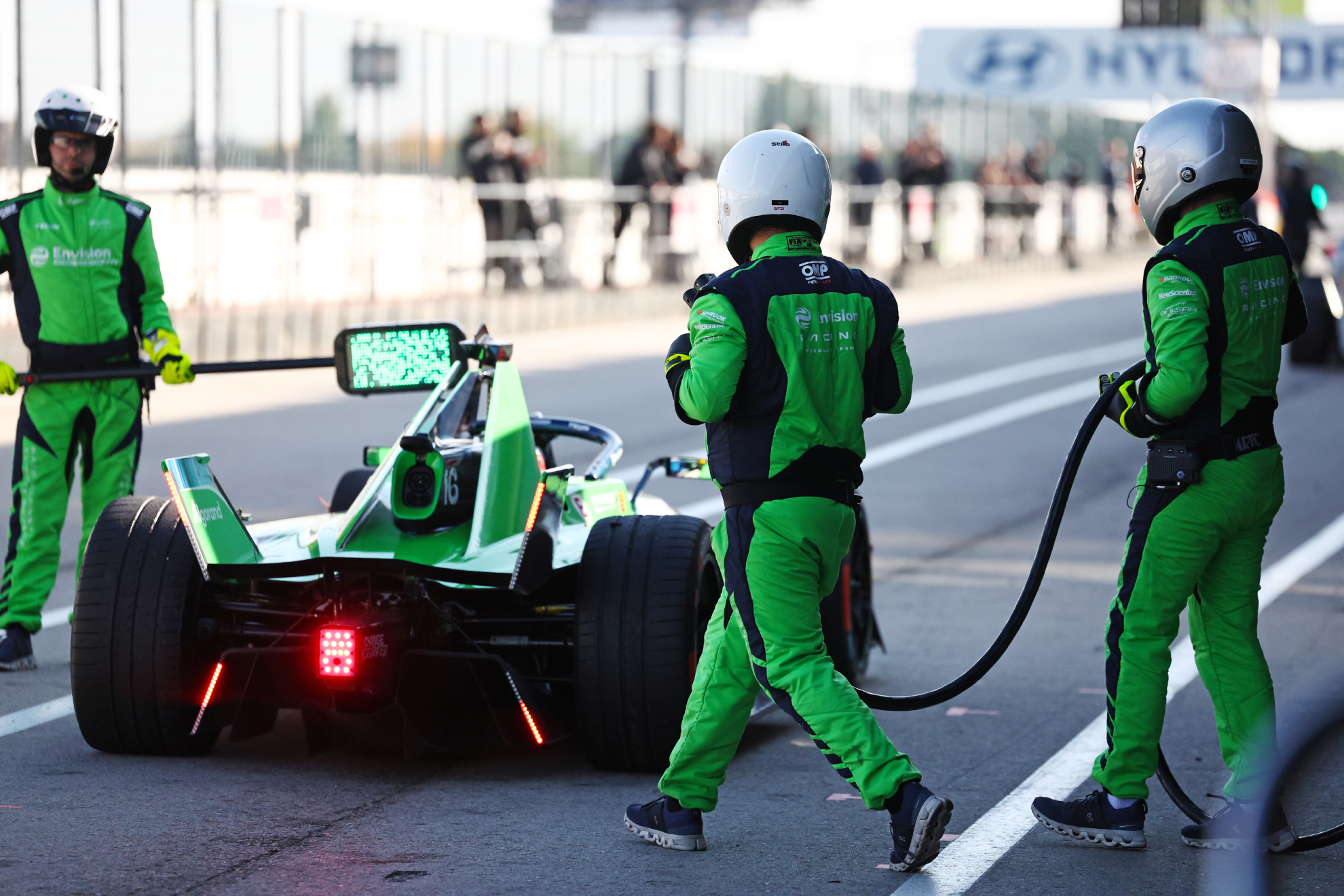
The recharge process will be executed by two mechanics, with a third team member responsible for stopping and releasing the car from the pit lane. The limitation that two cars from the same team cannot undergo the recharging operation simultaneously will also require teams to coordinate their strategy carefully.
Demonstrating Electric Propulsion Capabilities
The Pit Boost technology serves as a demonstration of the possibilities of electric propulsion applied to street cars. By showcasing the capabilities of ultra-fast recharging, Formula E aims to highlight the potential of electric vehicles to overcome current limitations, such as charging infrastructure and waiting times for energy recovery.
As the technology continues to evolve, it is likely to have a significant impact on the development of electric vehicles, enabling them to become more efficient, convenient, and appealing to a wider range of consumers. The introduction of Pit Boost in Formula E is an important step towards a future where electric vehicles can compete with traditional combustion-powered cars in terms of performance and convenience.