
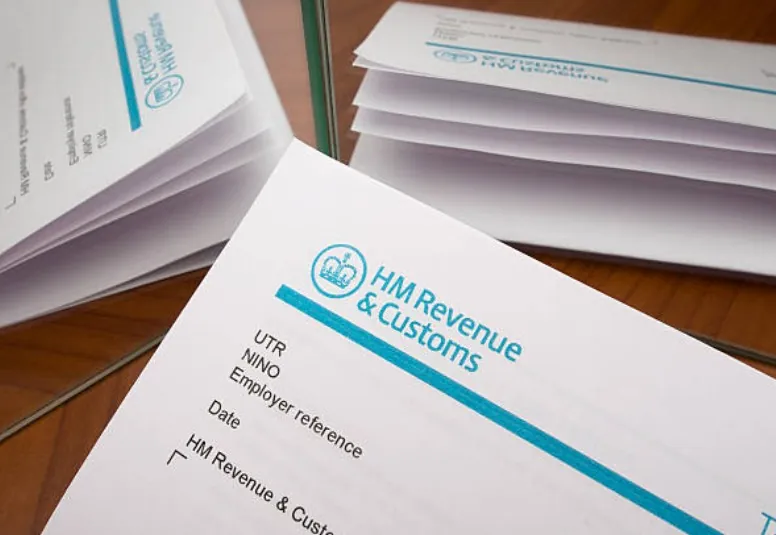
The UK government’s push to automate revenue collection is faltering, leaving thousands of retail savers with unexpected tax bills of up to £1,500. This systemic breakdown originates from HM Revenue and Customs (HMRC) automated data-processing systems, which are erroneously adjusting Pay As You Earn (PAYE) tax codes based on faulty bank submissions. The alarm sounded recently when digital bank Zopa admitted that hundreds of its customers were affected, according to an Express report detailing the £1,500 errors and Zopa’s warning.
Zopa mistakenly flagged the tax-free interest earned in its clients’ ISA accounts to HMRC as taxable income. Acting on this incorrect data, HMRC automatically altered the PAYE codes of these individuals, cutting their take-home pay to recover taxes they do not owe.
The root of this ongoing data crisis traces back to rule changes implemented in 2016. The policy mandated that financial institutions directly send annual savings interest data to HMRC to automate tax adjustments. The goal was to eliminate manual reporting, but financial advice firm Shackleton warns that these systemic deductions occur without any clear breakdown of how the figures are calculated.
Official data indicates 2.76 million individuals faced savings income tax deductions last year, intensifying concerns over the scale of data-matching errors, such as double-counted interest or misattributed accounts. Because the tax authority’s penalty notices remain opaque about which specific institution triggered the discrepancy, affected taxpayers are forced to manually audit their accounts to dispute the vague HMRC notices issued after the Zopa Cash ISA reporting errors.
Why the 2016 Data-Sharing Mandate is Failing Retail Savers
The widespread misattribution of ISA interest exposes a critical vulnerability in HMRC’s automated enforcement mechanism. By granting the tax authority the power to directly alter PAYE codes based on unverified bank submissions, the burden of proof has shifted entirely onto the taxpayer.
Financial institutions are processing unprecedented volumes of savings data under the 2016 rules. When reporting errors occur, as explicitly acknowledged by Zopa Bank, the system lacks an automated reconciliation protocol to catch the discrepancy before payroll is impacted. For retail investors, the immediate takeaway is that tax-free ISA wrappers no longer guarantee immunity from HMRC processing errors, necessitating manual verification of all automated tax code adjustments going forward.