
The tech world often watches Windows for big moves, and when Windows 11 dropped, it brought a surprising new rule. To get the latest Microsoft system, your computer had to have a TPM 2.0 chip. This small requirement locked out millions of users. Many people were not happy, but Microsoft stuck to its guns. The chip became a must-have for the system. Now, Ubuntu’s maker, Canonical, is adding this same technology to Ubuntu 25.10. This new version is set to arrive soon.
Ubuntu’s New Security Layer
This TPM 2.0 feature won’t be a strict rule for Ubuntu, at least not yet. Instead, it’s a core part of a new security option. This option uses hardware to encrypt your entire disk. The news quickly made some users upset. They worry this means Linux is starting to follow the same strict rules it fought against for years. Ubuntu 25.10 will launch in October. It will also be the foundation for the next Long Term Support (LTS) release.
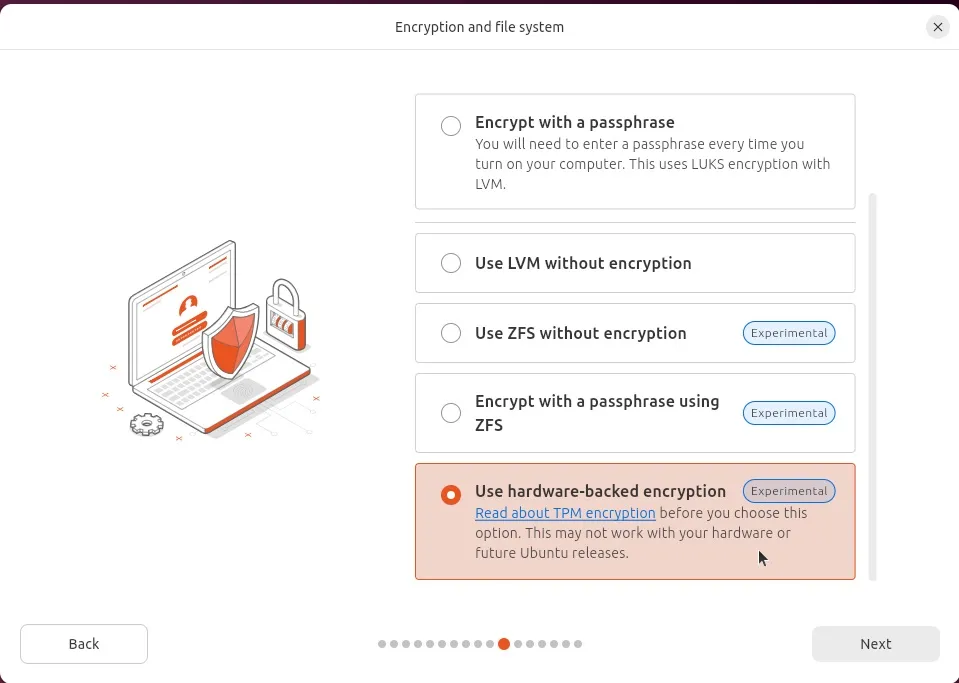
When you install Ubuntu 25.10, you’ll see this new disk encryption option. It uses the TPM 2.0 chip to keep your data safe. This step is all about making things more secure. It’s especially important for businesses. Many companies need these kinds of security checks by law. Didier Roche, a developer at Canonical, confirmed this. He explained that the feature is optional. It will not change how people normally use Ubuntu.
If you decide not to turn on this feature, your Ubuntu system will run just fine. But the fact that this option is now part of the installer has raised eyebrows. Windows 11 taught us a lesson. What starts as an extra feature can quickly become a basic requirement. This new security feature works by encrypting your entire disk. When your computer starts, the TPM chip checks everything to make sure it’s secure.
User Worries and Canonical’s Aims
Ubuntu will also add a new section to its security settings. This panel will help users manage passwords. It will also let them get back into their system if they change computers or update the TPM. This new panel is still in testing. Your computer needs a TPM 2.0 chip to use it. It’s not a good idea to use this experimental feature on work computers. It might cause problems, like errors or conflicts with other programs.
Canonical has three clear reasons for making this change. First, they want to meet the high security needs of businesses. Second, they aim to keep up with what’s happening in Linux development. The trend is moving toward stronger security standards. Third, they are getting ready for a future with hybrid systems. These systems already include special hardware security parts.
For big companies, this news is positive. But for many people who use Ubuntu at home, adding TPM feels like the opposite. They see it as a move toward a more closed system. They worry that computer hardware will again limit what they can do, even if the feature is currently optional. This puts Ubuntu at a crossroads, balancing freedom with modern security demands.
Source: Didier Roche, a Canonical developer, confirmed this feature on the Ubuntu Discourse forum: https://discourse.ubuntu.com/t/tpm-fde-progress-for-ubuntu-25-10/65146