
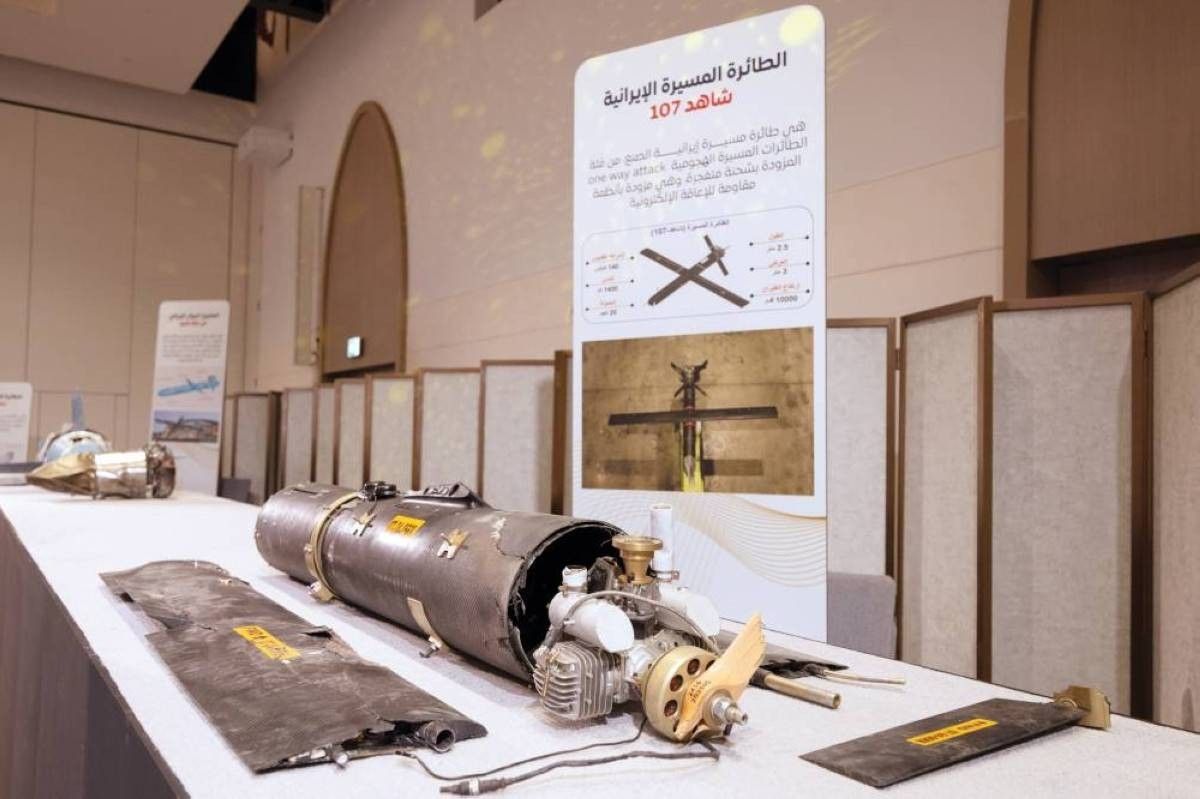
United Arab Emirates air defense systems intercepted a wave of missiles and drones launched from Iran early Friday morning, May 8, 2026. This escalation comes as a direct consequence of the regional war that broke out in February, effectively ending the fragile diplomatic pause observed in April. The morning bombardment followed a series of overnight clashes in the Strait of Hormuz, where US Navy destroyers engaged Iranian naval assets as part of a mission to secure commercial shipping lanes.
Residents in Dubai and Sharjah reported hearing multiple loud explosions as defense batteries neutralized targets mid-air. The UAE Ministry of Defense confirmed that its systems were actively engaging with missile and UAV threats across the country throughout the morning. National emergency officials issued immediate alerts for citizens to seek shelter and stay away from windows. No casualties have been reported from the morning wave, though falling debris caused minor damage in residential districts.
This military flare-up is linked to a macro-level conflict that surged after the collapse of the April 8 ceasefire. Military analysts noted the latest drone and missile attack occurred just hours after US forces thwarted an Iranian attempt to harass tankers in the Gulf. This marks a sharp return to kinetic warfare, with Iran expanding its strike targets to include Emirati logistics hubs.
The intensity of the strikes has forced local authorities to adjust civilian infrastructure. The UAE interceptions of ballistic missiles led to an emergency transition for schools and universities, which moved all classes to online platforms. This morning’s barrage is the largest since the May 4 attack on the Fujairah Oil Industry Zone, which had already placed the region on high alert. The UAE National Emergency Crisis and Disaster Management Authority continues to monitor the situation as air sirens remain active in northern territories.
Strategic Implications of the Gulf Interceptions on Global Oil Stability
The morning strikes on May 8 represent more than a tactical exchange; they signal the definitive end of the de-escalation period brokered in April. By targeting the UAE—a critical global logistics and energy hub—Iran is expanding the geography of the conflict beyond the immediate frontline. This shift mirrors the 2019 tanker attacks but at a much higher kinetic intensity. For global energy markets, the continued instability in the Strait of Hormuz embeds a permanent risk premium into oil prices, as the US escort mission has so far failed to deter Iranian long-range strike capabilities. The UAE’s transition to a persistent high-alert status suggests that regional governments now view the April ceasefire as a spent diplomatic tool.