
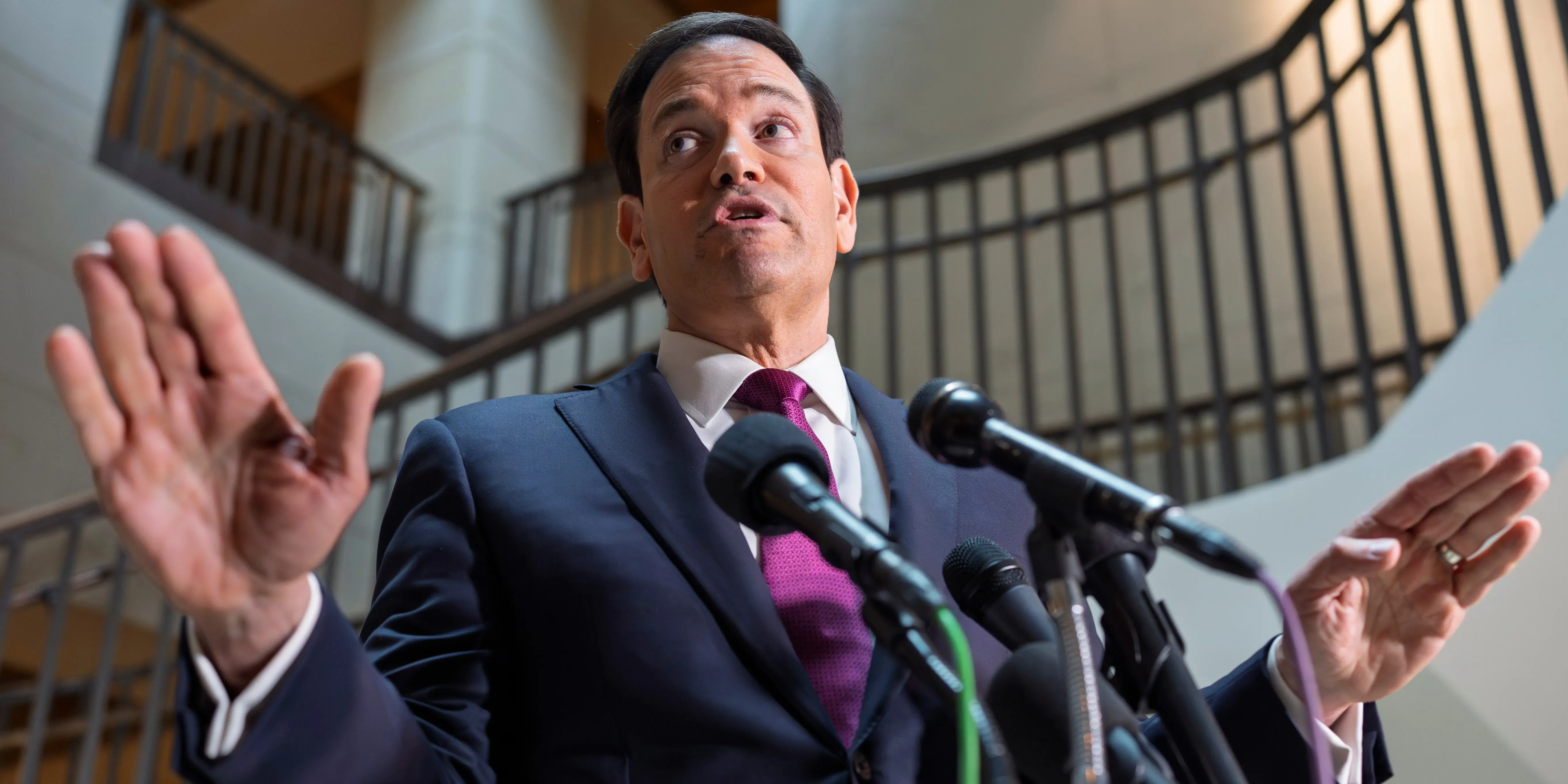
The 60-day ceasefire between the United States and Iran has collapsed. Speaking at an ASEAN foreign ministers’ meeting in Manila on Wednesday, U.S. Secretary of State Marco Rubio said Washington remains “open” to diplomatic settlements. He immediately added that Tehran is “not serious” about negotiations.
Rubio explicitly warned that allowing Iran to control the Strait of Hormuz would establish a “very dangerous precedent” for global waterways. He rejected Iranian demands to charge shipping tolls or attack commercial vessels transiting the critical corridor.
The diplomatic standoff coincides with intense regional violence. U.S. Central Command confirmed it carried out an 11th consecutive night of strikes on Iranian targets. The offensive hit military command centers, drone storage facilities, and logistics infrastructure, according to recent reports detailing the Strait of Hormuz conflict.
In response, Iran’s Islamic Revolutionary Guard Corps claimed to have targeted tankers transiting the strait. The sudden escalation prompted neighboring Bahrain to activate missile alert sirens over fears of wider retaliation.
The current spike in violence follows the rapid deterioration of a memorandum of understanding signed in June 2026. That agreement, mediated by Pakistani diplomats, temporarily paused hostilities that originally ignited following a joint U.S.-Israeli offensive in February 2026.