
President Trump’s sweeping naval blockade of the Iranian coastline has triggered an immediate U.S. domestic supply shock. The underlying geopolitical crisis—a rapidly escalating 2026 military standoff in the Strait of Hormuz—forced the Department of Energy to heavily tap its strategic stockpiles. And the financial fallout is already visible across global energy markets.
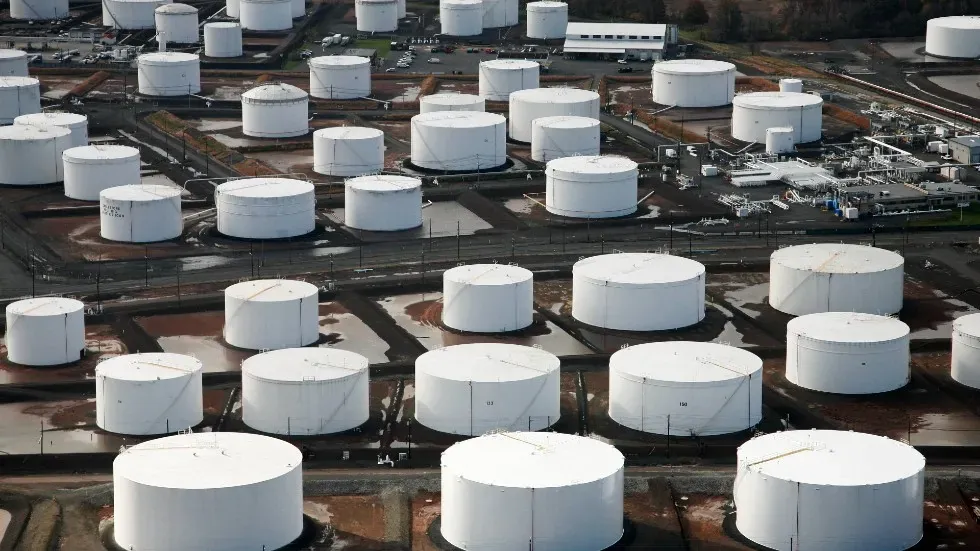
U.S. crude oil inventories stored in the Strategic Petroleum Reserve fell by 3 million barrels last week to 316.5 million barrels. That is the lowest recorded level since April 1983. Traders reacted aggressively to the escalating naval blockade of Iran, sending Brent crude surging 9.59% to settle at $83.30 a barrel.
The supply squeeze triggered a direct intervention. Energy Secretary Chris Wright outlined a drawdown authorizing the U.S. to discharge 172 million barrels over the next 120 days. This domestic action anchors a coordinated IEA drawdown involving 32 member nations globally releasing a combined 400 million barrels of oil and refined products. Planners allegedly intend to restock the domestic reserve with approximately 200 million barrels over the next calendar year.
But international maritime regulators are pushing back against the administration’s broader economic strategy. The UN shipping agency officially rejected Trump’s proposed 20% cargo toll for Hormuz transits. Regulators stated there is no legal basis for mandatory tariffs in international navigation straits. Tracking the strategic oil reserves reveals deep institutional anxiety over prolonged supply chain disruptions.
How Alternative Pipelines Shield Gulf Exports
Goldman Sachs analysts offer a specific timeline for mitigating this geopolitical chokepoint. Expanding alternative Middle Eastern pipelines could shield up to 60% of pre-war Gulf oil exports from future Hormuz disruptions by the end of 2028. That infrastructure shift directly undercuts the long-term strategic power of any single naval force controlling the strait. But those pipelines remain years away from completion. Right now, the market is completely exposed to the daily volatility of the blockade.
The Verdict
Traders should brace for sustained crude volatility near the $85 threshold. The coordinated IEA drawdown provides a temporary 120-day buffer, but draining the U.S. strategic reserve to a 43-year low eliminates domestic insurance against a secondary supply shock. Until the proposed 2028 pipeline expansions materialize, the Strait of Hormuz remains an unavoidable bottleneck dictating global energy costs.