
Instead of tossing an aging Android smartphone into a drawer, a growing DIY tech trend is giving obsolete hardware a second life. A recently detailed project successfully transformed an old Android handset into a fully functional car media server and streaming hub. The setup bypasses the need for expensive new head units by utilizing the raw processing power already sitting in your pocket.
Older flagship and mid-range Android phones often pack superior processors, faster internal storage, and more RAM than entry-level streaming sticks or budget network-attached storage devices. By combining a few specific software tools, drivers can bridge the gap between Apple and Google ecosystems directly from the dashboard.
Building the Mobile Tech Stack
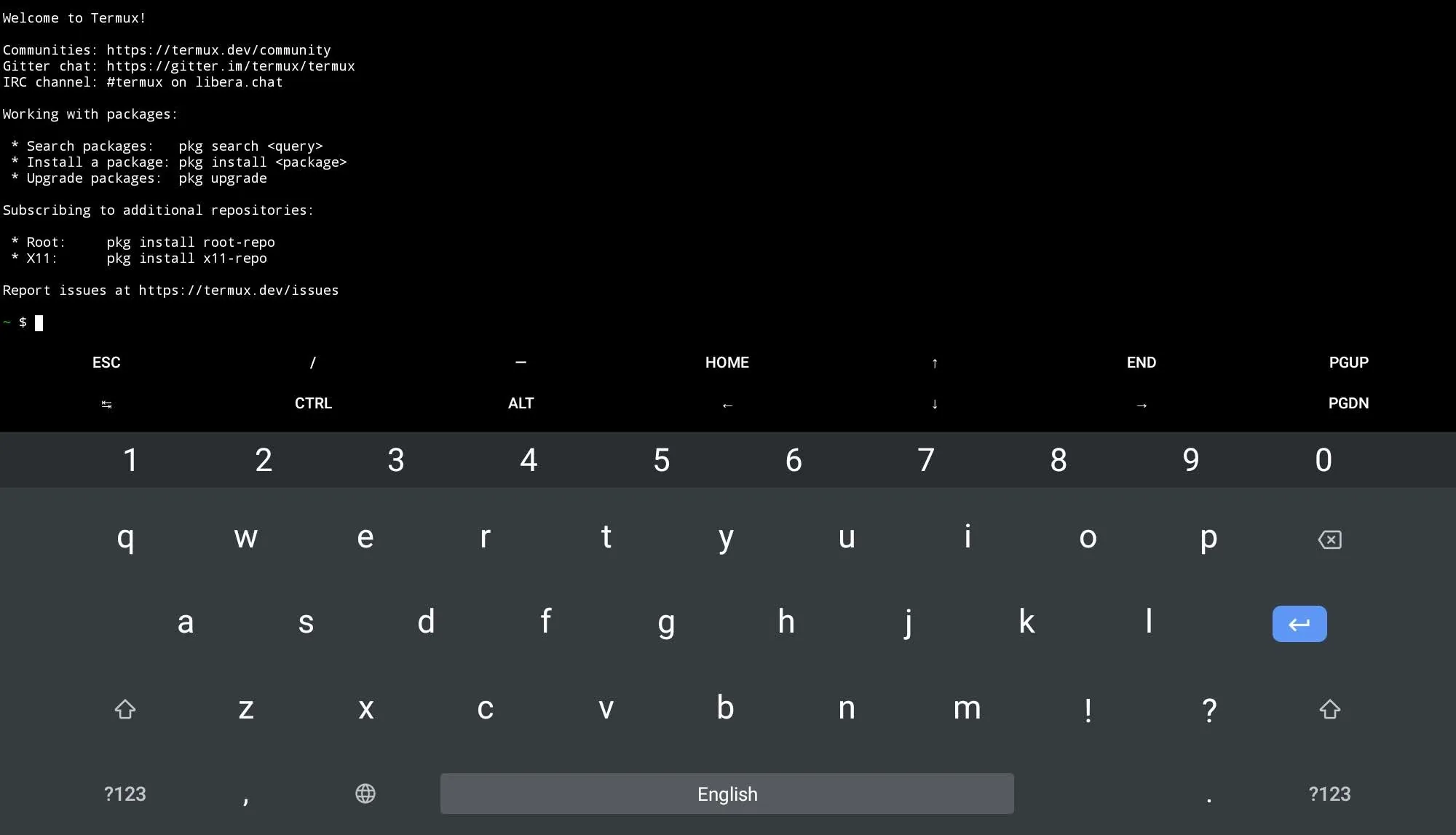
The underlying infrastructure relies on Termux. This application creates a lightweight Linux environment right on the Android operating system. Termux hosts a Jellyfin media server, housing the actual audio files. But the critical bridge for this specific car setup is the AirReceiver app. According to an XDA Developers walkthrough, AirReceiver allows the Android device to natively mimic an Apple AirPlay and Google Cast receiver.
The physical connection is straightforward. The repurposed Android phone connects directly to the car’s audio system using Bluetooth, a USB cable, or a standard 3.5mm auxiliary jack. Once wired in, the driver’s primary device—like an iPhone—connects to the Android phone over a local Wi-Fi hotspot. The iPhone then broadcasts audio to the AirReceiver app.
This configuration lets the driver control playback, switch tracks, and adjust the volume natively on their iPhone. Meanwhile, the Android device handles all the processing and routes the audio into the car stereo.
Bypassing Thermal Hardware Limits
This approach solves a common frustration with budget audio hardware. Older smartphone hardware often outperforms dedicated streaming sticks in server workloads because of the superior internal specs. However, the broader homelab community notes a significant hardware limitation for those trying to run these servers inside a house.
Keeping a phone constantly plugged into power for 24/7 server duties can eventually lead to battery degradation, physical battery swelling, and thermal throttling. The car environment actually provides a perfect workaround. Because a vehicle is only powered on temporarily during a commute or road trip, the phone avoids the hazards of constant, uninterrupted charging.
Why Open-Source Bridges Beat Walled Gardens
The success of this project highlights exactly how open-source and emulation software bypass artificial ecosystem restrictions. Apple’s AirPlay protocol and Google’s Android ecosystem rarely communicate natively without friction. By utilizing Termux and AirReceiver, the setup forces the two competing platforms to cooperate. The iPhone recognizes the Android device as an authorized AirPlay target, completely sidestepping the usual proprietary roadblocks.