
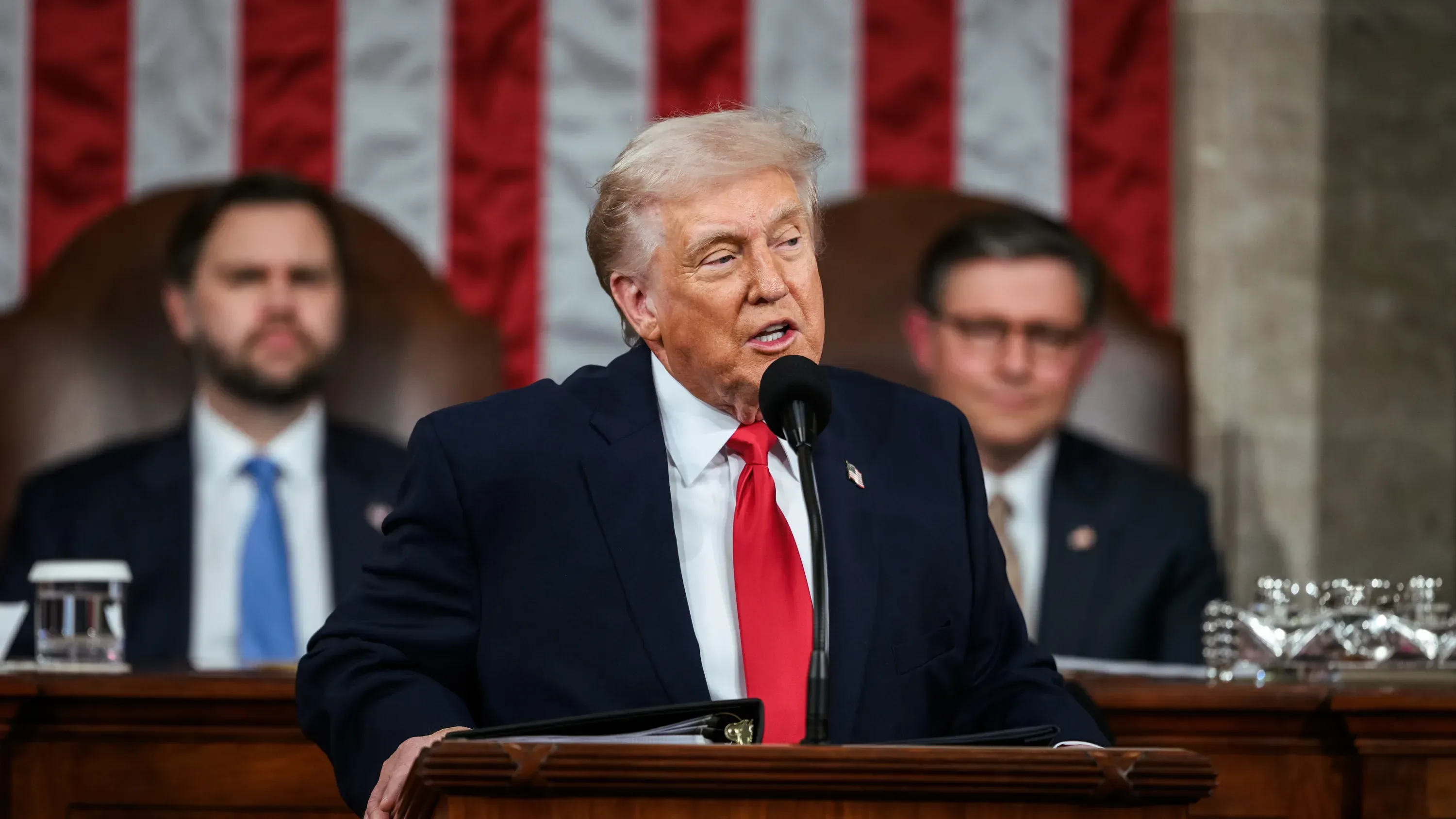
President Donald Trump announced on Thursday, Nov. 19, 2026, that he had posthumously pardoned Pete Rose more than two years after the baseball star’s death. The move arrives a year after Major League Baseball lifted Rose’s permanent ban, though it carries no authority over whether baseball’s career hits leader gets into Cooperstown.
Trump announced the decision on Truth Social, writing that he had granted Rose a full pardon and criticizing MLB for keeping him out of the Hall of Fame alongside former pitcher Roger Clemens. The post did not name a specific offense, though a White House official pointed CBS News to Rose’s 1990 federal tax charges when asked what the pardon covered.
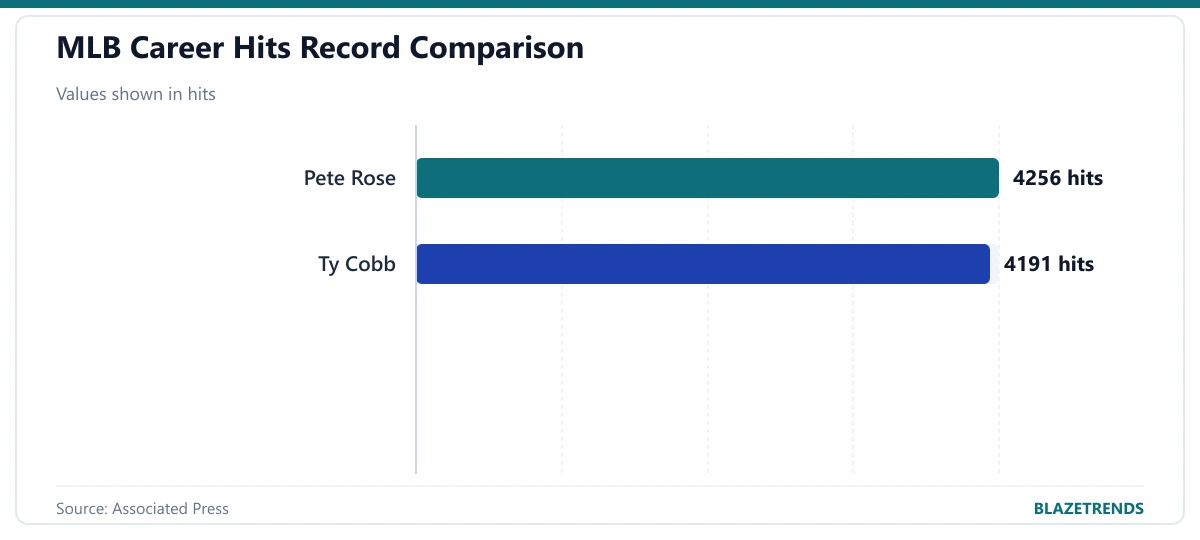
In practical terms, the clemency is symbolic for baseball fans. Presidential pardons apply strictly to federal crimes and cannot force the National Baseball Hall of Fame to enshrine a player. Trump’s post also included a stat mix-up, calling Rose’s 4,256 hits a single-season record rather than his all-time career mark.
Rose’s numbers and the 1990 tax case
Rose piled up those 4,256 hits across 24 big-league seasons from 1963 to 1986, passing Ty Cobb’s 4,191 mark in 1985. He also played an MLB-record 3,562 games, hit .303 with 1,314 RBIs and 160 home runs, and won three World Series titles: two with the Cincinnati Reds in 1975 and 1976, and another with the Philadelphia Phillies in 1980. His resume included 1963 National League Rookie of the Year, 1973 NL MVP, 1975 World Series MVP, three NL batting titles, and 17 All-Star selections.
Despite his gambling ban, Rose never faced criminal charges for betting on baseball. Instead, he pleaded guilty on April 20, 1990, to two counts of filing false federal tax returns after failing to report $354,968 in income over four years, money that USA Today noted came from memorabilia sales, autograph appearances, and gambling. That night on his weekly WCKY-AM talk show in Cincinnati, Rose admitted he had made mistakes while maintaining he wasn’t a bad person and leaving his punishment to the court, according to the Associated Press.
Facing up to six years in prison and $500,000 in fines, Rose was sentenced on July 19, 1990, by U.S. District Judge S. Arthur Spiegel in Cincinnati to five months behind bars, a $50,000 fine, 1,000 hours of community service as a gym teacher’s assistant with inner-city youths, and one year of probation. Spiegel noted at sentencing that completing the penalty would pay Rose’s debt to society, leaving history to decide his standing among baseball’s greats. Rose repaid the IRS $366,042, served at the minimum-security U.S. Penitentiary Marion Camp in Illinois from Aug. 10, 1990, to Jan. 7, 1991, and finished his three-month stay at the Talbert House halfway house on April 5, 1991.
How MLB’s ban gave way to a Hall of Fame path
Rose agreed to a permanent ban from baseball in August 1989 after MLB investigator John M. Dowd concluded he had bet repeatedly on the Reds while playing for and managing his hometown team from 1985 to 1987. Two years later, the Hall of Fame’s board of directors barred anyone on MLB’s permanently ineligible list from election. Rose petitioned for reinstatement four times before his death on Sept. 30, 2024, at age 83, with former Commissioner Bud Selig taking no action in 1997 and current Commissioner Rob Manfred rejecting bids in 2015 and 2022 while not acting on a 2020 filing.
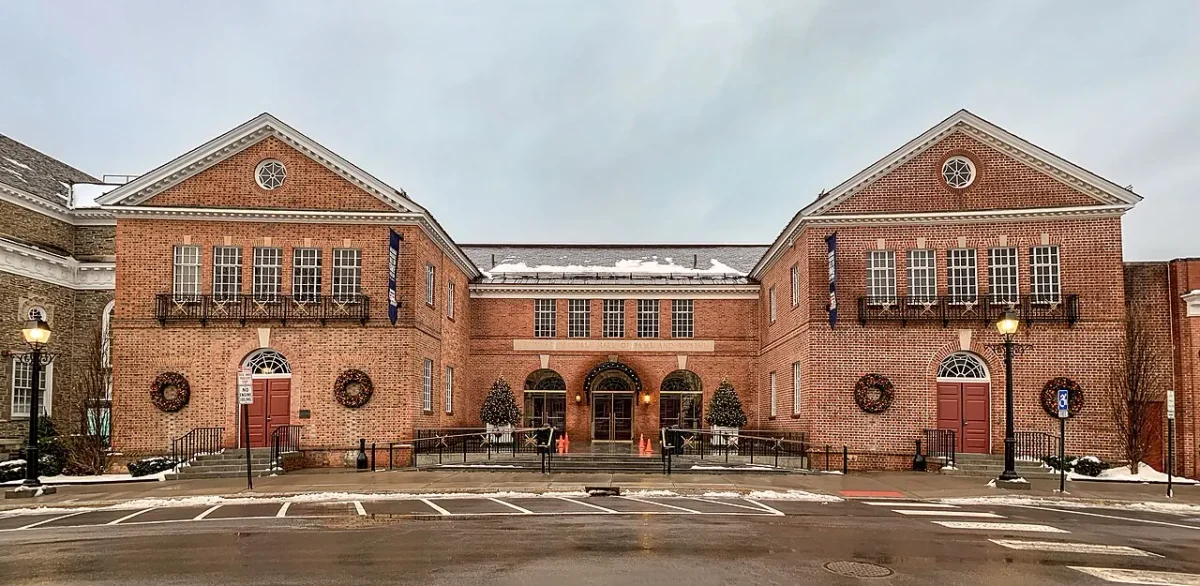
Trump pushed for Rose’s Cooperstown induction for more than a decade, posting about it in 2015 and 2020 before promising a posthumous pardon in March 2025. After meeting with Trump in April 2025, Manfred acknowledged Rose came up in conversation, adding, “but I’m not going beyond that.” Less than a month later, on May 13, 2025, Manfred ruled that permanent ineligibility ends at death, reinstating 17 deceased figures led by Rose and Shoeless Joe Jackson, as detailed in an MLB.com report.
Ten days before Thursday’s announcement, the pardon idea resurfaced at a Nov. 9 White House briefing alongside UFC CEO Dana White, who told reporters, “I think it’s fair to pardon Pete Rose.” Trump agreed on the spot, saying, “I’d give Pete Rose a pardon. I think Pete Rose was very mistreated.”
What comes next for Rose’s Cooperstown bid
For Rose’s supporters, the real date circled on the calendar is December 2027, when the Hall of Fame’s Classic Baseball Era Committee next convenes. Under Hall of Fame rules, Rose and Jackson each need to appear on at least 12 of the committee’s 16 ballots to earn election, making 2028 the earliest either player could be inducted.