
President Donald Trump has formally ordered the U.S. Justice Department to investigate major energy companies for alleged price gouging. The directive comes just days after the United States and Iran signed a 60-day cease-fire, reopening the Strait of Hormuz and ending a blockade that previously stranded 20% of the global oil supply.
Retail gasoline prices are lagging behind the sudden plunge in crude oil futures. In a Truth Social post late Tuesday, Trump demanded immediate relief for drivers, arguing that pump prices should fall commensurately with crude costs that have dropped back to pre-conflict levels near $70 a barrel.
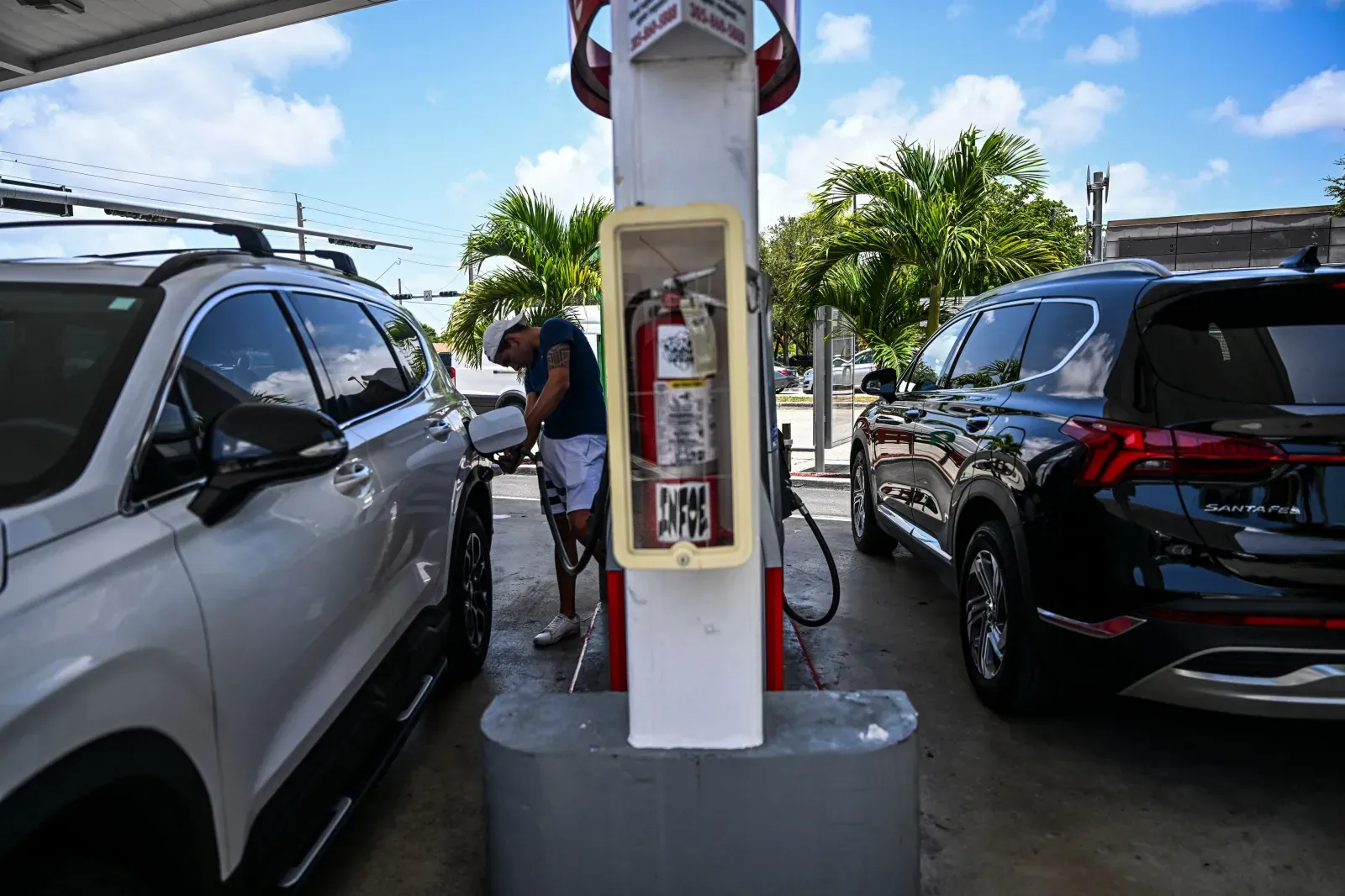
The national average for regular gas currently sits at $3.928 a gallon. While this figure is down 50 cents from last month, it remains 80 cents higher than the same period last year. During the peak of the Strait of Hormuz closure in May, U.S. prices hit $4.56 per gallon. Following the recent diplomatic resolutions, West Texas Intermediate crude futures plummeted back to the $70 to $73 range.
Trump explicitly expressed frustration with this discrepancy, issuing a direct DOJ instruction late Tuesday night to launch a formal probe into industry pricing practices. Market analysts and industry experts push back on the allegations of gouging. Petroleum analysts, including GasBuddy’s Patrick De Haan, stated the current pace of retail price drops is typical for the market, citing the established industry reality that retail prices rise quickly during a supply shock but fall slowly once crude stabilizes.
How the Hormuz Reopening Impacts Refining Margins
The DOJ investigation targets the lag between wholesale crude drops and retail pump prices, a gap largely controlled by refining margins and supply-chain logistics. The International Energy Agency previously labeled the 2026 Hormuz blockade the greatest global energy security challenge in history.
The sudden resumption of liquefied natural gas and crude shipping through the Strait creates a temporary glut at the wholesale level. Refiners and retailers, however, purchased their current physical inventory weeks ago at elevated wartime premiums. The administration’s regulatory pressure forces energy companies to manage heightened legal scrutiny while liquidating high-cost inventory into a rapidly cooling market.