
The Trump administration executed a broad overhaul of its international trade strategy early Friday. At 12:01 a.m. New York time on July 24, the United States imposed sweeping new tariffs on imports from approximately 60 nations. The move officially transitions the country away from an expiring temporary measure and establishes a permanent economic penalty structure targeting foreign supply chains.
The U.S. Trade Representative justifies the levies by claiming these foreign governments have failed to adequately restrict goods produced using forced labor. The rates are split into two distinct tiers. Nations deemed to be taking partial action against forced labor—such as the European Union, the United Kingdom, Canada, Mexico, Taiwan, and India—face a 10% penalty. Countries that Washington claims lack proper enforcement laws entirely, including China, Japan, South Korea, and Switzerland, are now subject to a steeper 12.5% rate.
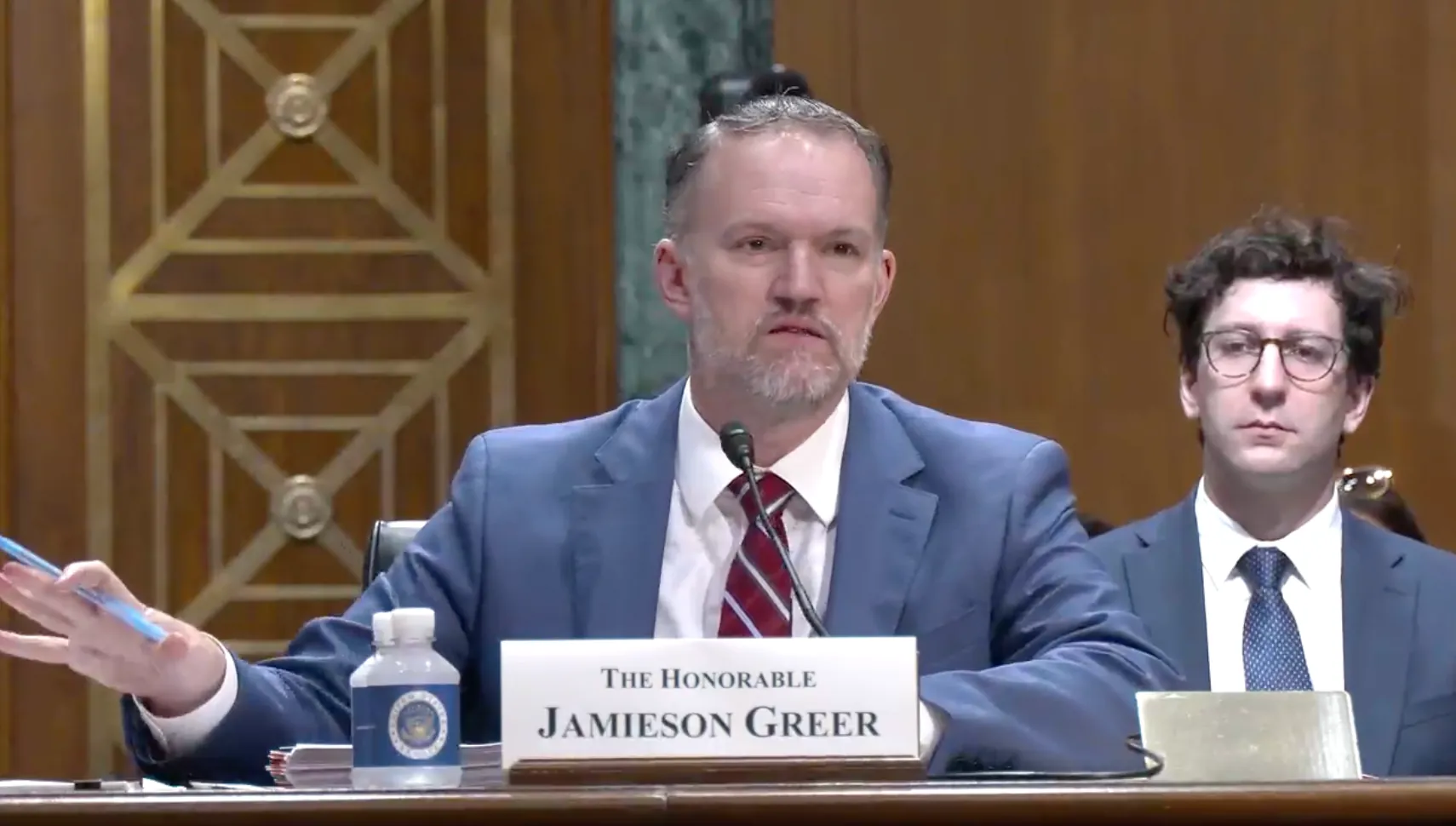
The execution of these duties fell to USTR Jamieson Greer, who formally authorized the penalties under the authority of a Section 301 investigation. The new structure seamlessly replaces a 10% global stopgap tariff that was scheduled to expire early Friday morning.
The administration carved out specific exemptions to protect domestic supply lines. Essential commodities like food, fuel, and fertilizers completely bypass the tax. Products already covered by existing industry-specific penalties, including automobiles, metals, and pharmaceuticals, are also excluded. Goods that qualify for duty-free status under the USMCA will remain unaffected.
This aggressive rollout represents the White House’s most comprehensive attempt to rebuild its “America First” trade barrier following a major legal defeat earlier this year. In February 2026, the U.S. Supreme Court struck down the president’s broader reciprocal emergency tariffs. That ruling forced the federal government to issue substantial tariff refunds—totaling an estimated $81 billion—to major American importers like Nike.
The targeted governments immediately pushed back against the human rights rationale. European officials rejected the USTR findings outright. They noted the EU already implemented a strict ban on forced labor imports in 2024, and they publicly accused Washington of weaponizing humanitarian concerns to build a predetermined tax wall. China completely denied the allegations. South Korean media outlets warned the sudden tax hike will severely disrupt international supply chain logistics.
How the Section 301 Rationale Insulates the White House
By utilizing the forced-labor justification, the administration is actively insulating its new trade barrier against immediate legal challenges. The February Supreme Court ruling struck down emergency tariffs because they lacked specific, congressionally approved justifications. Anchoring this new 12.5% tax to Section 301 of the Trade Act of 1974 entirely shifts the legal battlefield.
Foreign exporters and domestic retailers must now attempt to prove a negative. They have to show that their supply chains are completely free of forced labor, rather than fighting a blanket economic penalty. For retail investors and corporate supply chain managers, this signals that the new rates are likely permanent. Companies heavily reliant on Swiss manufacturing or South Korean electronics will have to immediately absorb the 12.5% margin hit or pass it directly onto American consumers.