
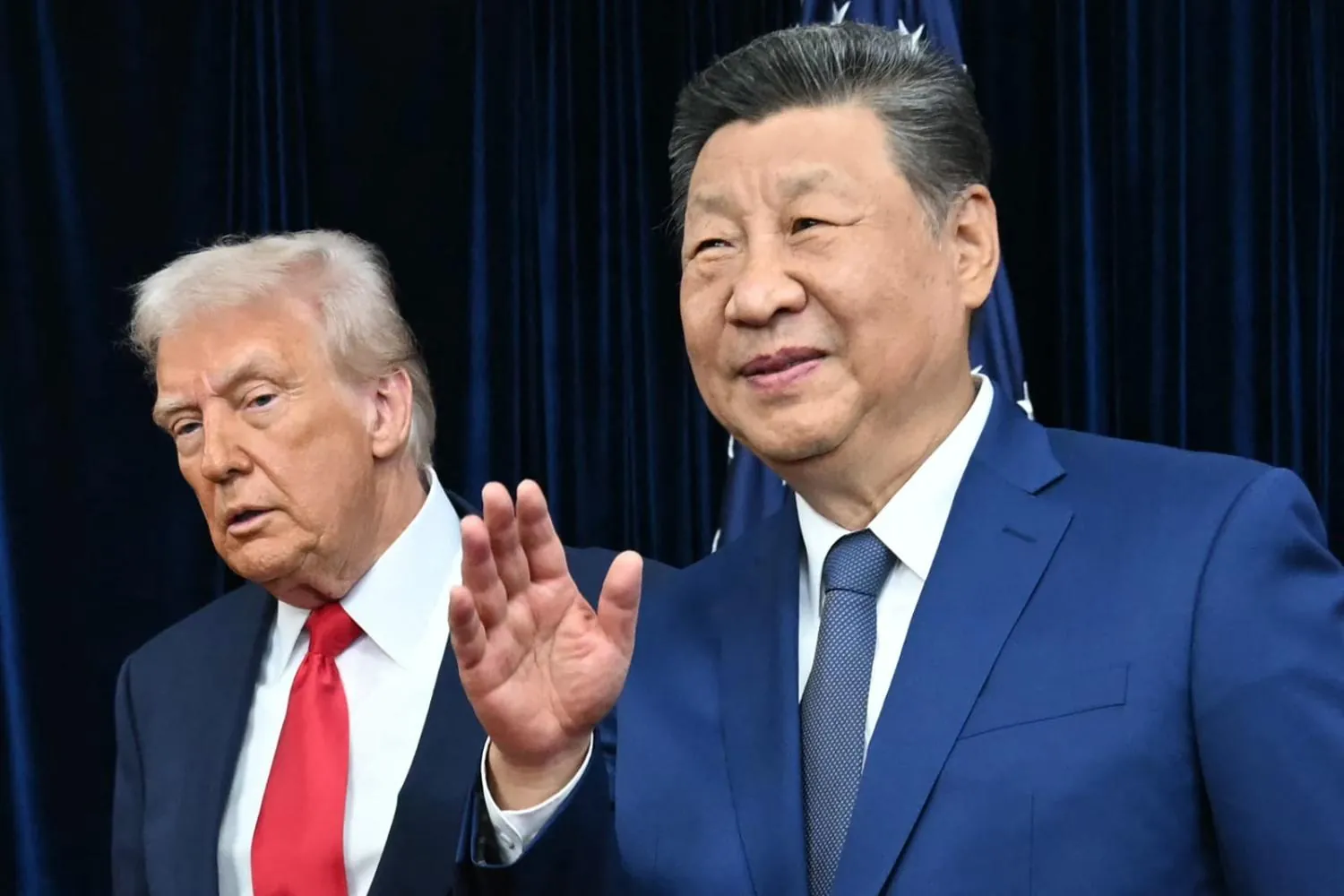
US President Donald Trump arrived in Beijing on Wednesday for a three-day state visit with Chinese President Xi Jinping. The summit is heavily overshadowed by the prolonged US-Iran war. This conflict has drained American military resources and triggered a severe global energy crisis via an ongoing blockade in the Strait of Hormuz.
Trump delayed this trip by six weeks. He initially hoped to resolve the Middle East conflict before facing Xi. He now enters negotiations from a weakened position. A recent US Supreme Court ruling struck down his unilateral imposition of steep tariffs on China. This removed major diplomatic leverage just days before the scheduled talks.
The geopolitical reality has shifted drastically since Trump’s last visit in 2017. China now heavily dominates advanced manufacturing, robotics, and global technology markets under Xi’s unprecedented third term. Beijing is also deeply intertwined in the Middle East crisis. US intelligence claims an earlier ceasefire negotiated with Chinese assistance allowed Iran to replenish its weapons systems. Iran potentially utilized China’s BeiDou satellite navigation network to achieve this.
To secure economic stabilization, the US delegation adopted a dovish stance. Trump reversed restrictive US policy by allowing Chinese access to advanced H200 AI chips and proposed granting 600,000 Chinese student visas. This approach highlights his weakened negotiating position detailed in an India Today analysis.
Preparations for the leaders’ summit began regionally earlier in the week. Chinese Vice-Premier He Lifeng traveled to South Korea on Tuesday to hold final-round trade negotiations with US Treasury Secretary Scott Bessent, according to the Hindustan Times. These preliminary discussions dictate the economic parameters Trump and Xi will formalize through Friday.
How the H200 AI Chip Concession Alters the Global Semiconductor Balance
By granting Beijing access to H200 AI chips, the US administration is dismantling the semiconductor containment strategy that defined the last five years of bilateral relations. This concession directly impacts domestic American chipmakers who were previously barred from lucrative Chinese contracts. Historically, lifting such strict export controls signals a massive policy shift where immediate macroeconomic relief—driven by the urgent need to stabilize global markets amidst the Iran blockade—takes precedence over long-term technological isolation.