
The world recently got some surprising news. A deal to end the conflict in Gaza and free all remaining hostages had finally come together. This breakthrough happened after almost two years of stalled efforts by many, including the previous US administration. Analysts are pointing to the unique way this new agreement was reached. They say personal ties and strong international pressure played big roles.
Just a short while before, on September 9, things looked pretty grim. An Israeli airstrike hit Hamas negotiators in Qatar. This attack seemed to make the conflict worse. It risked pulling more countries into the fight. Many felt that diplomatic talks were completely broken.
But that strike actually became a turning point. It led to the very hostage release agreement that former President Donald Trump announced. Securing such a deal was a goal both he and President Joe Biden had pursued for a long time. This is only the first step toward lasting peace. Many difficult talks still lie ahead about disarming Hamas, governing Gaza, and Israel pulling out its troops. Yet, if it holds, this deal could be a major achievement for Trump. It’s something the Biden team couldn’t manage. Trump’s distinct way of doing things, along with his key connections, seemed to unlock the door.
Strong Relationships Made the Difference
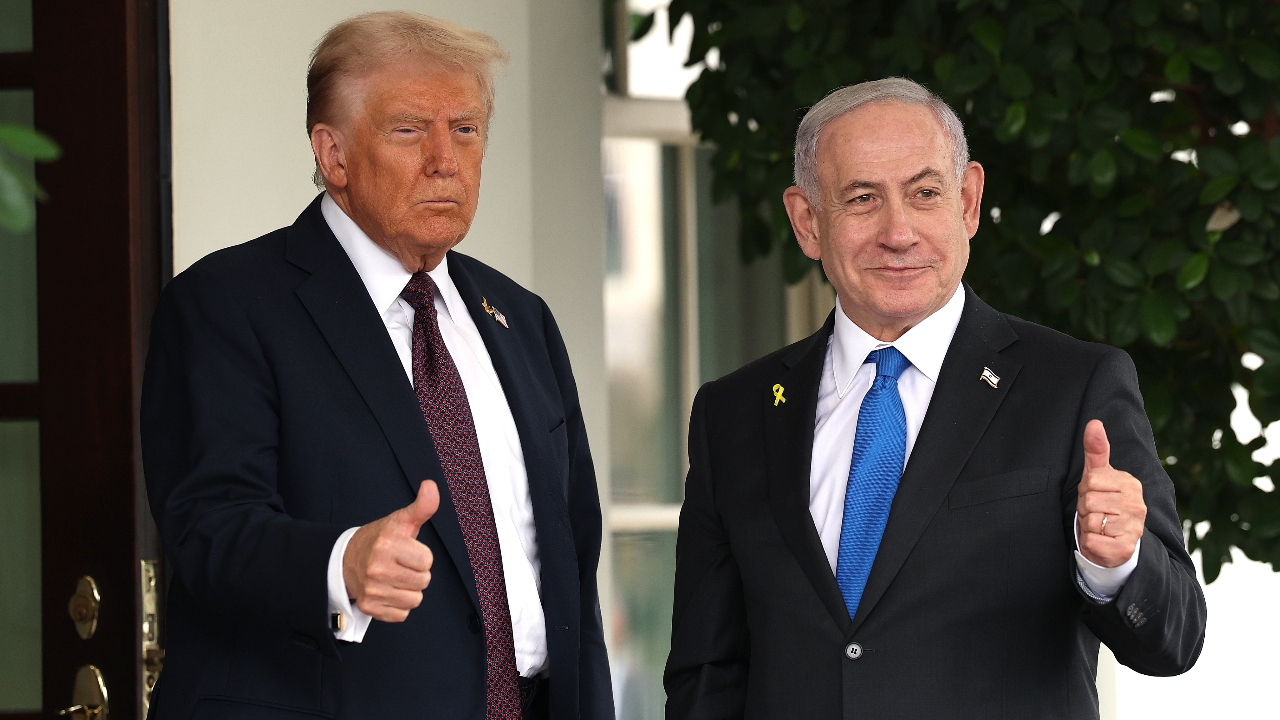
Donald Trump has always had a noticeably warm relationship with Israeli Prime Minister Benjamin Netanyahu. Trump had moved the US embassy to Jerusalem. He openly supported Israel’s attack on Iran last June. These public shows of support may have given Trump a special kind of hidden power. Reports say his team pushed Netanyahu hard. They eventually got him to agree to a temporary pause in fighting for some hostage releases. This level of pressure on the Israeli leader was reportedly unlike anything a US president had done before. It clearly shows Trump’s influence.
President Biden’s relationship with Netanyahu was quite different, often tense. Biden also had to navigate disagreements within his own party about the Gaza conflict. Trump, on the other hand, had solid support from his political base. This gave him more freedom to make his own diplomatic moves.
Business Ties and Arab Support
After the Israeli strike in Doha, which killed Qatari citizens, Trump told Netanyahu the war had to stop. The attack on Qatari soil was a significant incident. It moved Trump closer to the Arab world’s strong desire for the fighting to end.
Trump’s close business links with Gulf nations also played a part. He has done business with Qatar and the United Arab Emirates. His visits this year to Saudi Arabia, Qatar, and the UAE helped shape his views. Experts noted that he didn’t stop in Israel. Instead, he went straight to Arab capitals. There, he heard repeated calls for the war to cease.
Within a month of the Doha strike, Prime Minister Netanyahu personally called Qatar to apologize. On that same day, Israeli leaders signed Trump’s 20-point peace plan. Key Muslim nations in the region backed this plan. If Trump’s connection to Netanyahu let him pressure Israel, his history with Muslim leaders gained him their trust. This might have helped convince Hamas to accept the deal.
Europe’s Influence Adds Pressure
Global criticism of Israel’s actions in Gaza also pushed things forward. The humanitarian crisis in Gaza grew worse. This made Netanyahu’s government feel increasingly alone on the world stage.
When Israel took control of food routes and announced plans to attack Gaza City, major European nations stepped up. French President Emmanuel Macron led the way. Europe decided it would no longer give Washington unconditional support for Israel. This created a historic split between the US and its European partners.
Trump then faced a clear choice. He could stick with his European and Arab allies, or side with Israel’s nationalists and far-right groups. He chose his Gulf Arab allies. The French-Saudi peace agreement, which Trump supported, talked about setting up a future “Palestinian State.” This put pressure on Netanyahu like never before to end the war.
While Trump’s unique way of handling diplomacy often raises eyebrows, it sometimes gets results. In this case, his less traditional methods proved very effective. They helped break a long and difficult stalemate.
The agreement requires Israel to release over 1,000 Palestinian prisoners. It also means Israel will pull some troops out of Gaza. Hamas, in turn, will release all remaining hostages, both living and deceased. These were people taken during the attack on October 7, 2023. This deal finally opened the door to ending the Gaza war, which has tragically killed over 67,000 Palestinians.
Source: BBC