
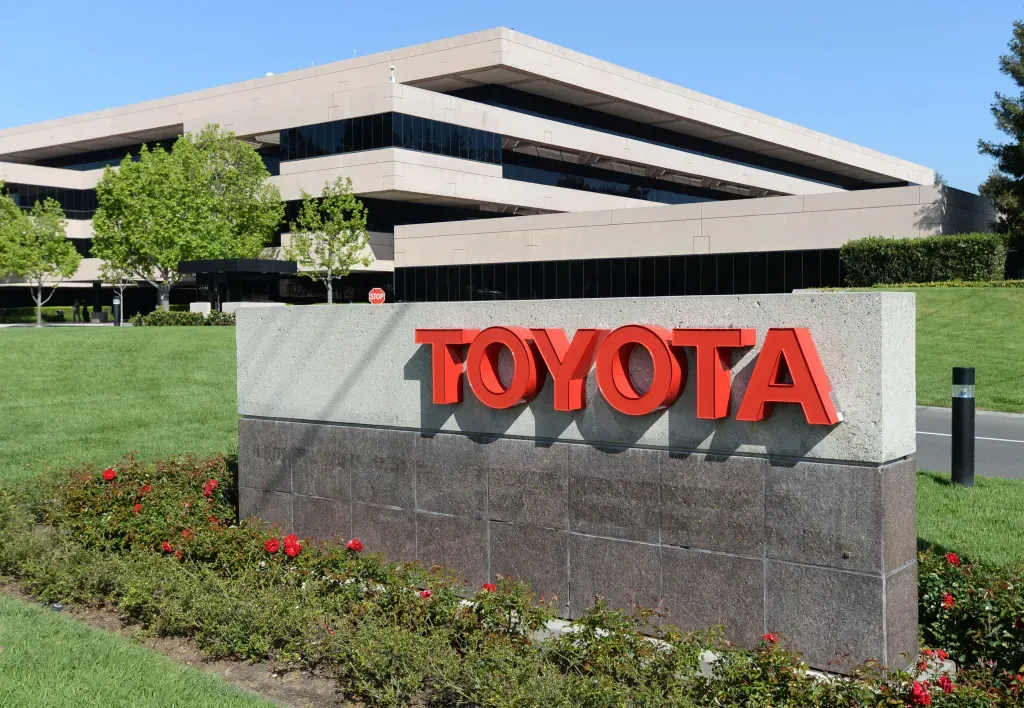
Toyota secured the top spot for automaker website traffic in April with 9.2 million unique visitors, narrowly edging out Ford’s 9.0 million. But that massive digital foot traffic did not translate into physical deliveries. Overall U.S. new-vehicle sales dropped 6.7 percent during that exact same month.
Buyers are browsing heavily but hesitating to close deals as the market moves away from aggressive incentive periods. Both traffic leaders felt the squeeze, with Ford experiencing a 15% sales drop and Toyota slipping 4.6%.
A recent study utilizing April Comscore data tracked consumer attention across the top 10 manufacturing brands. The Hyundai Kia Automotive Group claimed third place with 6.2 million unique visitors. That performance comfortably outpaced domestic giant General Motors, which logged 5.3 million. Stellantis rounded out the top five with 4.8 million visitors.
Nissan pulled 4.3 million visitors, followed tightly by Honda at 4.1 million. Tesla landed surprisingly low on the list with just 2.5 million visitors, reflecting the massive volume advantage legacy mass-market automakers hold at the top of the sales funnel. Volkswagen Group and BMW tied for the bottom slots with 2.1 million visitors each.
While legacy brands dominate raw site visits, the way buyers want to shop is changing. The traffic data reveals that roughly 44% of consumers now express interest in using artificial intelligence to compare multiple vehicles side-by-side. Buyers are clearly looking for aggregated tools rather than manually navigating individual manufacturer sites.
High Web Traffic Fails to Offset Affordability Concerns
The disconnect between record digital browsing and actual physical sales highlights a frustrated consumer base. Legacy automakers are spending heavily to drive traffic to their dedicated portals, but the conversion rate is stalling. Buyers are clicking through Toyota and Ford configurations, looking for deals that currently do not exist.
This data points to shifting consumer brand consideration as shoppers evaluate cost over loyalty. The strong third-place finish by Hyundai and Kia shows Korean brands successfully pulling top-of-funnel attention away from established domestic rivals like GM.
If 44% of the market actively wants an AI tool to compare cars across different brands, the traditional single-brand website model is losing its grip. Shoppers want immediate price and feature aggregation instead of jumping between ten different corporate homepages.