
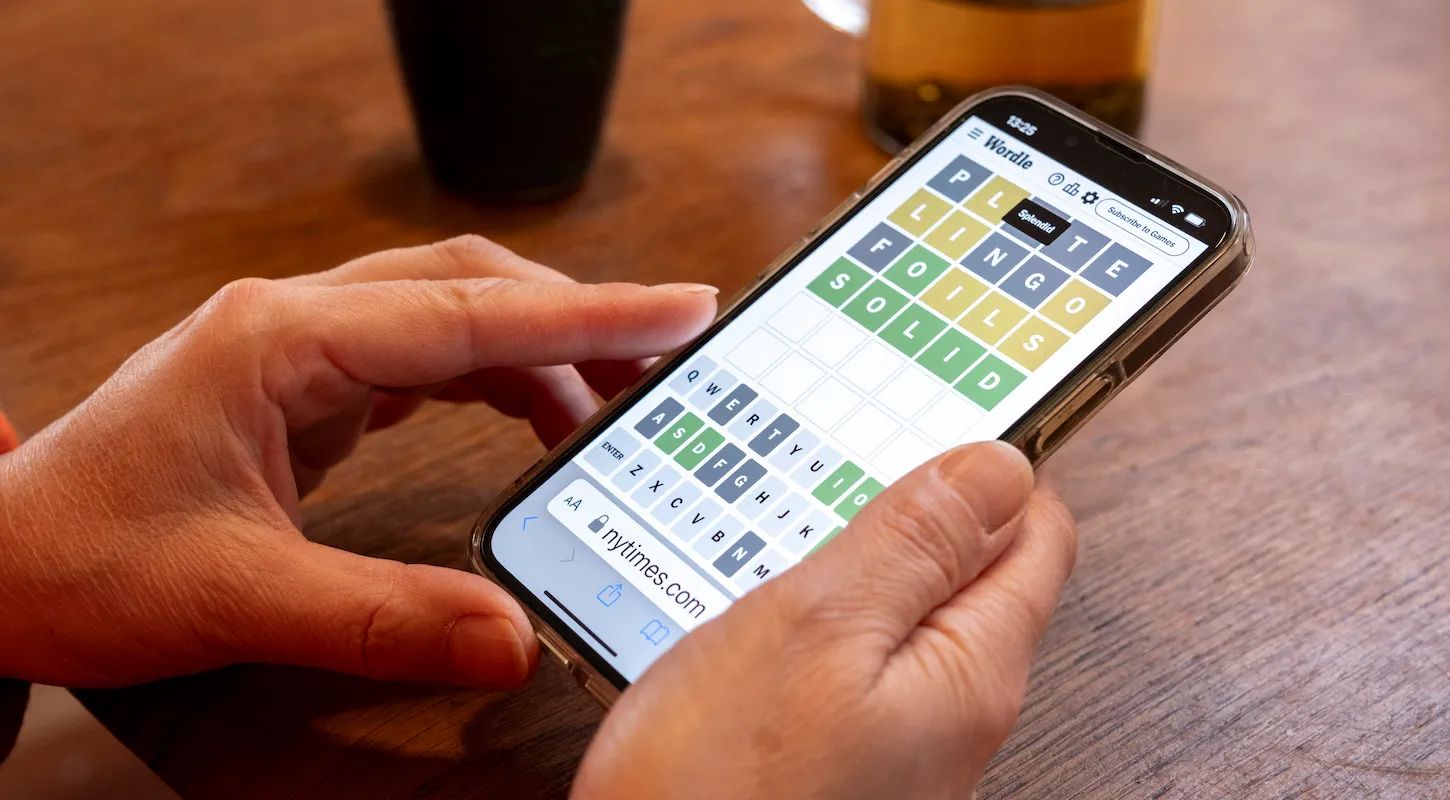
The New York Times just dropped Wordle #1784, and it is a massive headache for daily players. The five-letter puzzle for May 8 is stumping even veteran streak-holders with an incredibly rare consonant combination.
If you are staring at a grid of gray squares, we have you covered. The solution to today’s puzzle is “UMBRA.” It is a word you probably haven’t used since your middle school science class, and it is causing chaos online.
Starting with a vowel is normal. Leading with a ‘U’ completely throws off standard opening word strategies. Combine that with a rare ‘M’ and ‘B’ placed directly next to each other, and you have a recipe for lost streaks. This isn’t the first time this month a puzzle caused panic, as frustrated daily players know all too well.
Players noted the difficulty of the rare consonant placements, with some immediately associating the answer with the Pokémon Umbreon rather than its actual English definition. While the longer cousin “penumbra” is slightly more recognizable, the base word is rarely used in casual conversation.
So what does it actually mean? NASA defines an umbra as the darkest, central region of a shadow cast by a celestial body. You typically hear the term during a total solar eclipse when the moon completely blocks out the sun’s light.
Players are now scrambling to adjust their daily routines. Many are actively seeking out MIT-tested starting words to forcefully eliminate odd letter combinations before they burn through all six guesses.
How Punishing Wordle Answers Fuel The NYT Gaming Empire
When software engineer Josh Wardle first built this game, the core appeal was its accessibility. Now that it operates as the crown jewel of the New York Times gaming platform, punishing words actually drive deeper engagement across the site.
When players get frustrated with a puzzle like #1784, they rarely just close the tab. They migrate. The Times has successfully built a behavioral loop where players seeking redemption immediately switch over to Connections or Strands to salvage their daily puzzle ego.
This escalating difficulty is also fracturing the broader puzzle market. The intense frustration creates an opening for alternative spin-off games like Parseword to capture the attention of casual players burned out on obscure astronomical vocabulary.