
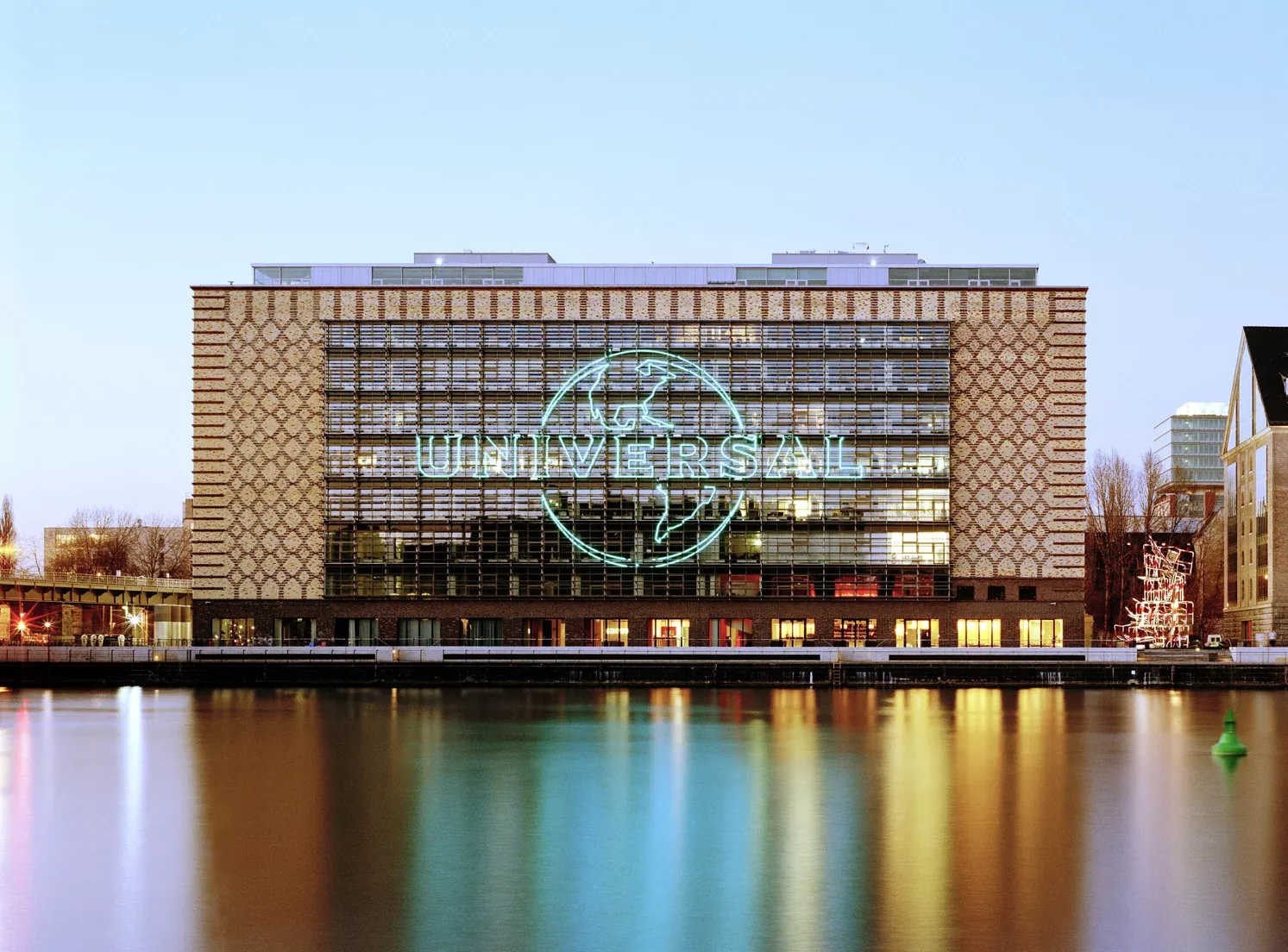
TikTok and Universal Music Group (UMG) are changing how music sounds on your feed. The two entertainment giants just signed a multi-year strategic licensing renewal to target unauthorized generative artificial intelligence music across the social platform.
This new deal expands access to the deep UMG catalog while rolling out tools to protect human artistry and secure fair payouts for creators. The announcement comes as part of a wider industry push to protect copyright control against rapid machine-learning reproduction models.
Stopping the Digital Clones
The agreement builds on a previous pact from May 2024. That earlier deal put an end to a tense standoff where UMG completely pulled its tracks from the short-video application, temporarily silencing major stars like Taylor Swift and Drake. According to the official announcement by TikTok, the companies are now establishing explicit operational setups to actively find and purge unauthorized AI deepfakes.
TikTok will use its automated scanning tech to remove AI-generated tracks that mimic real human artists without permission. This system also aims to solve long-standing issues with proper songwriter attribution across millions of user videos.
The Expanding AI Frontier
The tech framework is rolling out right alongside other major industry shifts. Just one day prior, Spotify and UMG agreed to a separate deal allowing premium streaming subscribers to build authorized AI remixes, as covered in a report by The Guardian.
The contrast shows exactly where the music industry wants to draw the line. UMG is perfectly happy to monetize authorized AI on streaming apps while shutting down rogue, unlicensed clones on social feeds. A detailed breakdown by TechCrunch notes that this platform-wide cleanup changes the legal expectations for user-generated content apps moving forward.
How TikTok Filters Human and Machine Artistry
The automated tools are designed to look for specific acoustic signatures that indicate unauthorized voice cloning. When the scanner finds a match, the audio file gets flagged and muted before it can rack up millions of views.
The system also connects directly to TikTok’s growing e-commerce store feature, which helps artists sell merchandise straight to fans during video playback. The new filter tools are active across all global regions where the application operates.
What the TikTok AI Dragnet Means for Independent Creators
The strict filtering systems developed for major label artists will alter how independent creators use audio manipulation. While superstar catalogs get immediate automated defense lines, the technology sets a brand-new precedent for platform liability regarding digital voice prints. It establishes a template where social media networks must police the synthetic audio assets uploaded by their user base.