
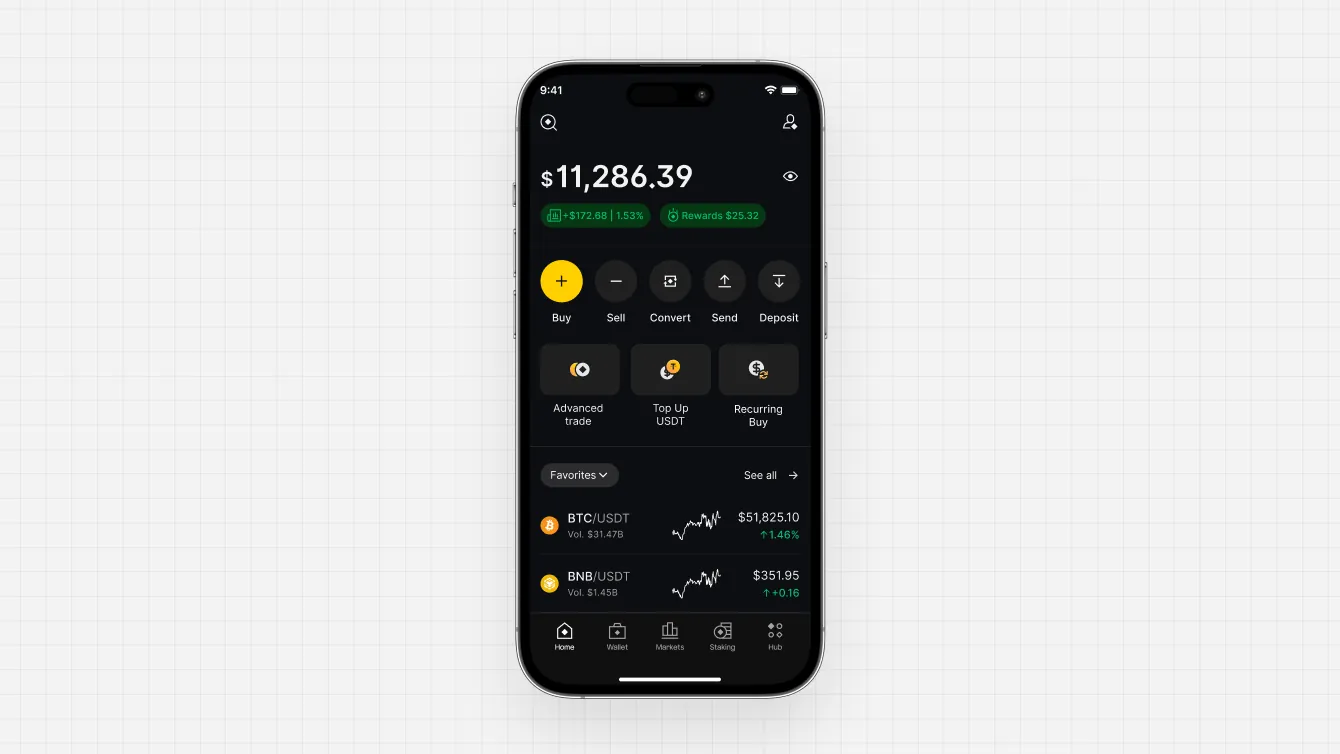
When a major cryptocurrency exchange buys a smaller tech firm or a struggling competitor, the everyday retail investor directly feels the impact. Instead of waiting years for a platform to develop new features in-house, retail users suddenly gain access to institutional-grade trading tools, integrated staking yields, and tighter regulatory compliance practically overnight. But the transition is rarely a straight line. Corporate mergers often force users to accept new custody rules, migrate their funds, and adjust to updated fee structures as the platforms consolidate.
How Crypto Exchange Consolidation Works
Cryptocurrency platforms rarely build all their internal features from scratch. Exchanges use a buy-and-build strategy to expand their ecosystems quickly. If an exchange wants to offer a highly secure wallet or a real-time data dashboard, corporate leaders simply purchase a startup that already perfected the technology. They plug that startup’s code directly into the main trading application.
This directly influences how retail users interact with the market. Researchers in the MDPI journal Analyzing Cryptocurrency Exchange Platform Performance found that technical integration immediately dictates user retention. Platform performance and information quality are the primary drivers of retail user satisfaction in the volatile crypto sector. If an exchange buys a superior trading engine and integrates it well, the retail user experiences fewer outages during high-volume trading days.
Acquisitions also happen out of necessity. When a Bitcoin market correction forces smaller platforms into insolvency, heavy-hitting exchanges with strong balance sheets often buy the distressed assets. The PwC 2023 Global Crypto M&A Report outlines how this consolidation stabilizes the wider market. For the retail investor, a buyout of a failing platform by an industry giant can mean the difference between recovering their digital assets and losing their entire portfolio in bankruptcy court.
Who Actually Benefits from M&A Deals?
The retail trader historically operated at a severe disadvantage. Institutional investors had dedicated analysts, fast API access, and private infrastructure to generate yields. Exchange acquisitions actively close this gap.
Democratization of Trading Tools
Exchanges frequently target data aggregators and charting platforms in their buyout strategies. Arkham Research explains that advanced tools and real-time market data are now pushed directly to the retail user’s primary dashboard. Instead of an investor keeping five different browser tabs open to track volume, sentiment, and order books, the newly acquired data company feeds that intelligence directly into the buy and sell screen of the main exchange app.
Enhanced Earning Mechanisms
Beyond trading, acquisitions fundamentally alter how retail users earn passive income on their holdings. Analysts at JP Weber highlight that infrastructure buyouts directly boost retail earning potential. When an exchange buys a specialized staking firm, retail users gain one-click access to staking returns and yield generation. They no longer need to understand the technical requirements of running a validator node. They just click a button in the app, and the acquired infrastructure handles the background coding.
The Flight to Quality
Following the collapses of entities like Terra USD and FTX, the merger market shifted aggressively. The PwC 2023 M&A Report documents a distinct “flight to quality.” Corporate buyers only want to acquire companies with transparent cash flows and strict compliance models. Retail investors benefit from this directly. The mega-exchanges that survive these consolidation periods offer safer, regulated custody solutions.
Traditional finance institutions are also entering the space through strategic buyouts. The Strategy& and PwC 2026 Crypto Survey notes that traditional banks acquire crypto tech talent to bridge the gap between legacy banking and decentralized finance. Cautious retail investors who avoided crypto entirely are now trading tokenized assets through familiar, heavily regulated banking interfaces built on acquired crypto technology.
Real-World Case Studies of Platform Buyouts
Looking at historical mergers reveals exactly how these corporate moves trickle down to the individual user’s smartphone screen.
Binance acquired CoinMarketCap in 2020. CoinMarketCap was the internet’s most heavily trafficked crypto data aggregator. By bringing this platform in-house, Binance funneled vast amounts of market data, pricing history, and token metrics directly to its retail audience. The exchange transformed itself from a simple trading venue into a central hub for market research. Retail users suddenly had institutional-grade data integrated directly into their trading environment.
Coinbase executed a similar strategy in 2021 by purchasing Bison Trails. Bison Trails was a premier blockchain infrastructure company. Coinbase used this acquisition to rapidly scale its staking and governance solutions. Before this deal, retail users found staking complex and risky. Following the integration, everyday investors accessed simple, automated methods to earn yields on their digital assets without leaving the Coinbase app.
Kraken followed suit by acquiring Staked, a non-custodial staking platform. This specific buyout allowed Kraken to upgrade its internal staking services entirely. Retail users received enhanced security protocols and access to higher potential returns because Kraken owned the underlying infrastructure rather than renting it from a third party.
Key Considerations and Friction Points for Users
Corporate buyouts deliver better tools, but the transition period often creates headaches for the end user.
The PwC 2023 Global Crypto M&A Report highlights the immediate hurdles of corporate integration. When two platforms merge, retail users face short-term friction. They are often required to transition their funds to new custody solutions. Exchanges routinely update their fee structures to offset the cost of the acquisition. Users must also sign updated terms of service agreements, which often include tighter Know Your Customer (KYC) requirements imposed by the acquiring company’s compliance department.
The financial mechanics of the deals themselves can also delay feature rollouts. Legal experts at Osborne Clarke point out that digital asset volatility routinely complicates crypto M&A. Many of these deals are negotiated using cryptocurrency as the primary currency for the transaction. Valuation challenges arise when the market drops 20% right before a deal closes.
While this seems like a corporate problem, extreme market fluctuations stall product integrations. If an acquisition is delayed or renegotiated, the retail user must wait months longer for the promised security upgrades or staking tools to actually appear in their trading app. Consolidation ultimately builds a safer, faster market for the retail trader, but only after they endure the initial friction of the corporate handover.