
We all know the standard Mother’s Day playbook. Brunch, flowers, and maybe a nice card. But the actual origins of this holiday have absolutely nothing to do with retail sales. According to a new TIME Magazine op-ed by Rachel F. Seidman, the women who founded Mother’s Day envisioned a radical day of public health advocacy and post-war reconciliation. Now, Seidman is challenging families to drop the generic pleasantries and start asking mothers deeper questions about how they live in a changing world.
Instead of just sending standard WhatsApp greetings and buying expensive gifts, the author suggests a totally different approach. Ask your mother how her parenting style compares to her ancestors. Ask her how cultural shifts and political realities impacted her daily choices. The original vision for this holiday extended far outside the walls of the nuclear family.
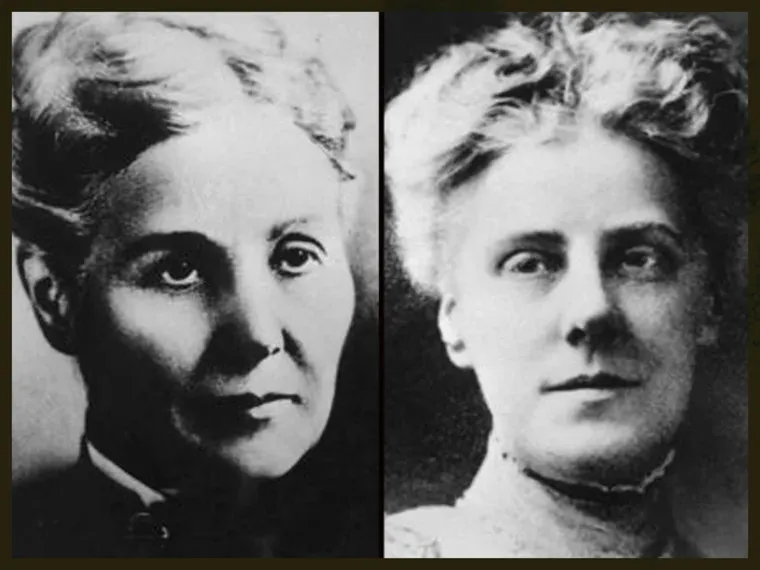
The true story starts right after the Civil War. Ann Maria Reeves Jarvis organized “Mothers’ Day Work Clubs” to fight disease and improve public health in Appalachia. She later hosted a “Mothers’ Friendship Day” in 1868. This was a bold attempt to heal bitter community tensions between neighbors who had just fought on opposite sides of a brutal war. Her daughter, Anna Jarvis, took up the mantle years later to honor that legacy, according to historical records tracking her foundational work and her mother’s post-war reconciliation efforts.
Anna organized the first official celebration in Grafton, West Virginia, in 1908. She envisioned a day of practical benefit and patriotism. She campaigned relentlessly until President Woodrow Wilson signed a proclamation in 1914, establishing the official timeline from the 1908 memorial to the national holiday we know today.
But Anna Jarvis hated what the day quickly became. She watched the floral, candy, and greeting card industries take over. It broke her heart. She spent the rest of her life fighting the commercialization of her own creation. She organized boycotts. She even got arrested trying to protect the day’s original intent from what she called “maudlin sentiment.”
How Returning to Mother’s Day’s Radical Roots Changes the Conversation
Seidman’s piece argues that we are missing the point entirely. A mother’s experience is heavily shaped by the specific political, cultural, and scientific environment around her. By simply buying a bouquet of roses and moving on, we ignore the incredible complexities of modern parenting. Asking your mother how external forces shaped her choices opens a completely different dialogue. It transforms the holiday from a massively profitable retail event back into the profound, community-focused recognition Anna Jarvis actually fought for.