
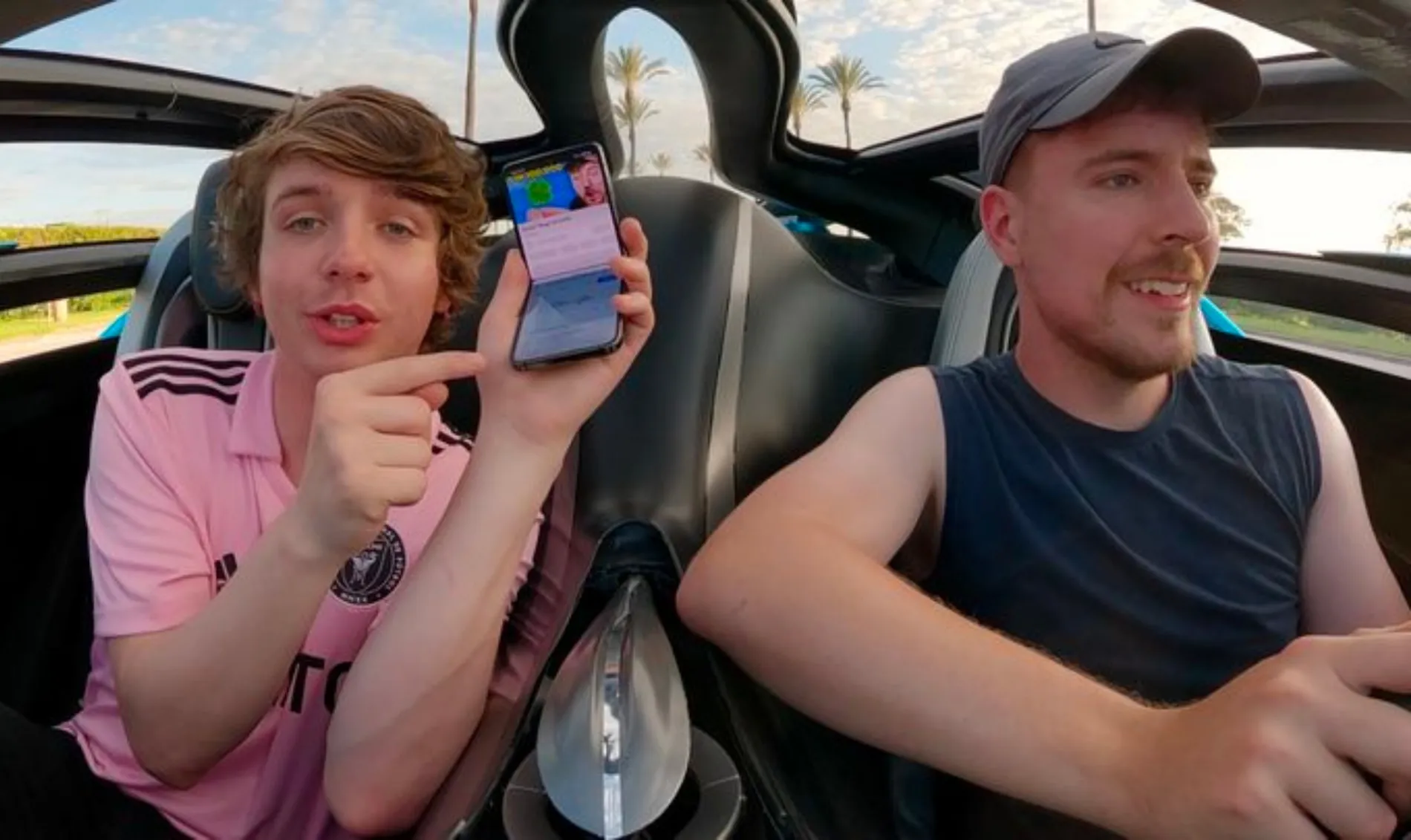
Parasocial relationships affect mental health by acting as a double-edged sword. They offer genuine emotional comfort and reduce loneliness for people craving connection. But they also trigger severe anxiety, negative self-comparison, and social isolation when fans use them to avoid real-world interactions.
We see this constantly in entertainment today. A parasocial relationship is a one-sided emotional connection. An individual feels a deep sense of intimacy, familiarity, and attachment to someone they have never met. This happens with traditional celebrities, social media influencers, and even entirely fictional characters.
The Mechanics of Imagined Intimacy
Standard fandom is easy to understand. You put a figure on a pedestal and admire their specific talents. You like their music, their acting, or their athletic skills.
A parasocial connection goes much further than basic admiration. The individual views the media figure as an actual peer. They feel entirely immersed in the creator’s personality and daily life. They know the names of the creator’s pets, their coffee orders, and their daily grievances.
Modern social media builds these bonds on a daily basis. Fans see regular glimpses into an influencer’s morning routine or their private living space. Sometimes a creator replies to a fan’s comment. This creates the illusion of a two-way connection. It makes the relationship feel grounded and real to the user, even though they only see a highly curated fraction of a life.
Constant exposure tricks the human brain. Regular exposure to a figure via television screens or social media feeds creates a deep sense of familiarity. Your brain establishes a bond, even if the person on the screen is a scripted character.
Why We Form These One-Sided Bonds
These connections are fundamentally easy to maintain. They do not demand the emotional labor required by real-life relationships. They are completely devoid of interpersonal conflict. You never argue with a YouTube vlogger. They never cancel plans on you. They never judge you.
Individuals craving connection often use these bonds to fill an emotional void in their lives. They appeal strongly to people with high social inclinations who are not having those needs met in their physical environments. If real life feels lonely, a glowing screen provides instant, guaranteed company.
The numbers show exactly how common this is. More than half of all Americans have experienced a parasocial relationship at some point in their lives. This is not a fringe behavior.
The rates jump significantly for younger audiences. Research shows that a strong majority of adolescents view their favorite social media personalities as relationship partners. They factor these digital figures into their daily emotional lives.
Studies of early adolescents show these relationships heavily shape adolescent identity. Boys typically look to celebrities as role models. Girls often develop their sense of self through perceived friendships with these admired figures.
The Mental Health Benefits of Fandom
People often mock these bonds. Critics dismiss them as weird or sad. But academic studies show they serve a real purpose. A parasocial bond is not as effective as a healthy two-sided relationship. Still, research indicates it fulfills emotional needs better than a real-life relationship that is fragile, toxic, or lukewarm.
A significant portion of young adults report feeling lonely today. For these individuals, one-sided connections provide genuine comfort and a sense of security. They actively boost a person’s mood. Opening an app to see a familiar face talking directly to the camera offers an immediate hit of serotonin.
They also help people cope with dark periods. Studies from 2025 show that parasocial relationships offer a recovery function for individuals feeling hopelessness. This happens especially when the individual perceives a high degree of similarity between themselves and the media figure.
The Dark Side and Psychological Risks
The risks appear when the imagined bond replaces physical reality. Relying too heavily on parasocial bonds leads to the active avoidance of in-person socialization. People retreat into their screens and ultimately end up feeling lonelier and more isolated than before.
Constant exposure to highly curated, unrealistic lifestyles triggers negative self-comparisons. Fans experience depression and heightened anxiety. Much of this anxiety centers around the fear of “losing” the parasocial connection if the creator stops posting or changes their content style.
In extreme cases, the connection devolves into pathological obsession. This results in emotional dependency on a fantasy. Some fans experience intense jealousy of the celebrity’s real-life partners. They view real spouses or boyfriends as intruders on their imagined connection.
Financial harm is another major risk. Fans often buy expensive products the influencer promotes just to feel closer to them. Eventually, extreme cases lead to increased social isolation and an inability to distinguish between mediated and authentic social relationships.
Where to Watch: The Platforms Driving Parasocial Bonds
You find these connections on any platform that rewards regular, direct-to-camera interaction. YouTube, TikTok, and Twitch run entirely on parasocial mechanics. Traditional television and movies create fans, but social media creates perceived friends.
Creators on these platforms use vlogging formats to share their lives. They look directly into the camera lens. They speak as if the viewer is sitting in the room with them. This breaks the fourth wall permanently.
Live streams take this a step further. Streamers interact with chat messages in real time. This immediate feedback loop reinforces the illusion of a two-way friendship, keeping viewers locked into the content for hours at a time.
What Critics and Fans Are Saying
The conversation around these bonds is polarizing. Fans argue these relationships offer a harmless escape. They point out that finding comfort in a favorite content creator is no different than finding comfort in a favorite book or movie.
Mental health professionals look at it differently. They note that the abrupt end of these connections causes real psychological distress. Fans go through a very real grieving process.
When a long-running TV show concludes, a creator retires, or a celebrity changes their persona, fans experience a “parasocial breakup.” The emotional impact is devastating. It mimics the genuine grief of saying goodbye to close friends. The brain does not know the difference between losing a physical friend and losing a digital one.
Discovering discrepancies between a media figure’s portrayed persona and their real-world actions leads to deep psychological disillusionment and a sense of betrayal. Researchers note that individuals heavily invested in unreciprocated relationships require tangible periods of emotional adjustment to process the end of the connection and stabilize their mental health.
Frequently Asked Questions
Are parasocial relationships normal?
Yes, they are highly common and normal. More than half of all Americans have experienced a parasocial relationship. A strong majority of adolescents view their favorite social media personalities as relationship partners.
How are parasocial relationships different from just being a fan?
Being a fan typically involves admiring a person’s talent, such as their acting or athletic skills. A parasocial relationship goes further. It is a deeper, one-sided psychological bond where you view the celebrity or influencer as a peer and feel intimately connected to their personal life and personality.
Can a parasocial relationship be good for your mental health?
Yes, in moderation. Research shows they provide a sense of belonging, reduce loneliness, provide comfort, and help young people shape their identities. They fulfill emotional needs better than a toxic or lukewarm real-life relationship.
What are the warning signs of an unhealthy parasocial relationship?
Warning signs include avoiding real-life, in-person socialization in favor of the one-sided relationship. Developing emotional dependency on the figure, feeling genuine jealousy of the celebrity’s real-life relationships, and spending money you cannot afford on products they promote are also major red flags.