
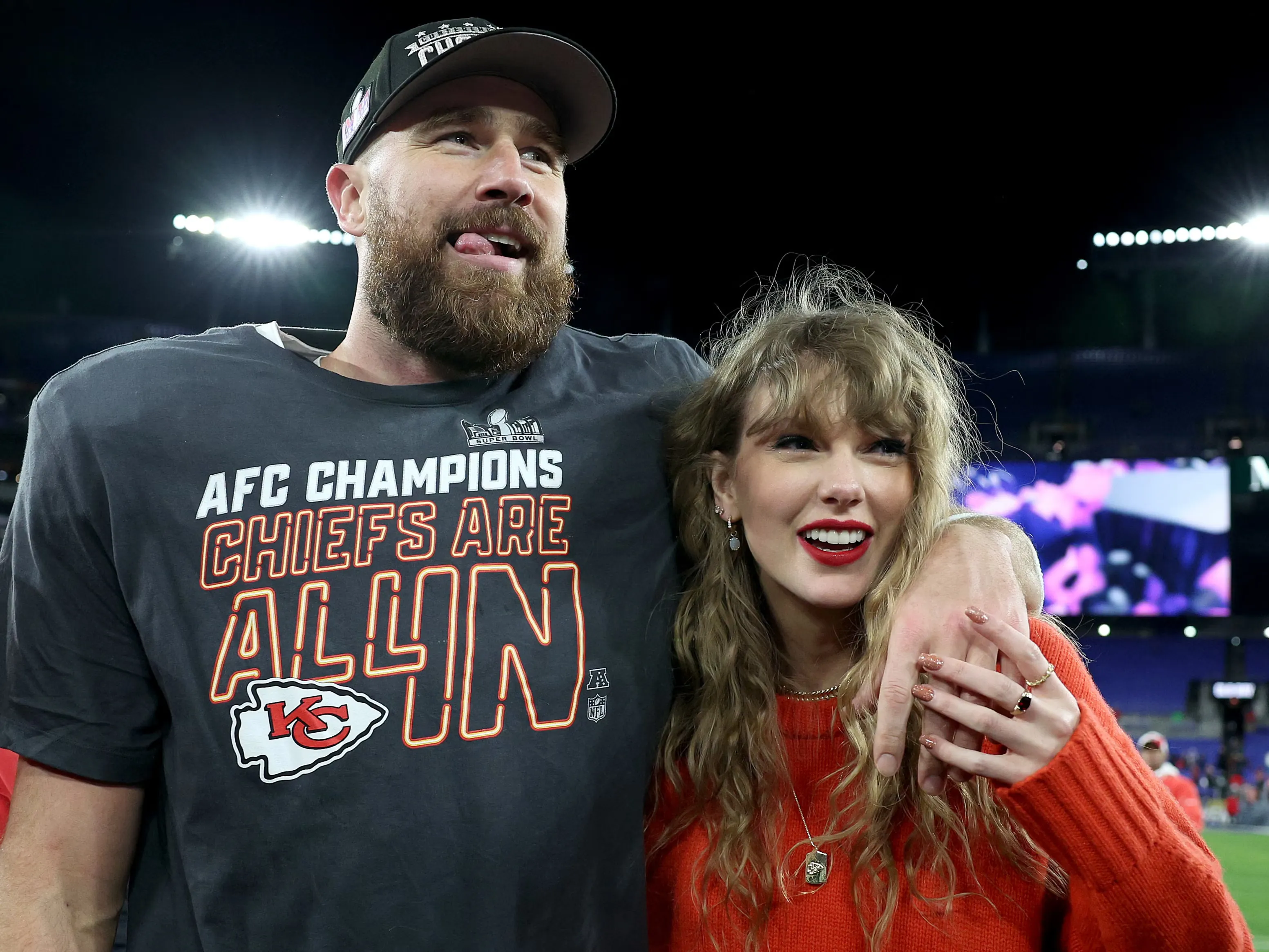
Sports and pop culture are now the exact same business. Athletes and their partners build lucrative personal brands by merging their distinct fanbases, bypassing traditional tabloids through direct social media access, and establishing a unified commercial identity. This strategy secures long-term corporate sponsorships and generates income that outlasts a notoriously short athletic career.
The days of a star quarterback simply holding up a box of cereal for a quick paycheck are over. Modern sports couples operate like highly structured media companies. They cross-pollinate audiences across music, fashion, and live sports. The result is a self-sustaining financial ecosystem.
Let’s look at the exact mechanics of how these modern power couples manufacture relevance, control their public narratives, and secure generational wealth.
The Mechanics of Audience Merging
To build a sustainable joint brand, athletes and their partners must move beyond their primary professions. They have to establish a shared, unified identity. A strong personal brand always starts with a Unique Value Proposition (UVP). The couple identifies exactly what makes them unique together.
This process requires finding the intersection of their individual skills, personal values, and off-the-field passions. Entertainment and branding analysts at Colormatics observe that when an athlete pairs with a partner from a completely different industry, they effectively merge two completely different consumer bases.
A basketball player dating a runway model introduces sports fans to high-end luxury fashion. The model’s fashion-focused audience suddenly starts paying attention to NBA tunnel walks. This crossover audience is highly attractive to corporate sponsors who want to reach both demographics simultaneously.
Just like a traditional corporate entity, the couple must maintain a consistent thematic and visual identity across all their digital platforms. This consistency creates a recognizable public “uniform” that resonates with followers and makes pitch meetings with major brands significantly easier.
The Co-Branding Playbook
Building a multi-industry brand requires deliberate execution. The strategy has shifted from simple transactional endorsements to holistic business operations. Industry analysts map out the current playbook into a distinct operational timeline.
- Direct-to-Fan Content Distribution: Successful couples no longer rely on traditional media outlets to tell their stories. They use platforms like Instagram, TikTok, and YouTube to share highly curated, behind-the-scenes glimpses of their lives. They show parenting moments, off-season vacations, and shared hobbies. According to World Sports Advertising, this direct access fosters deep emotional loyalty and consumer trust.
- Transitioning to Co-Creation: Instead of just wearing a corporate logo for a flat fee, modern power couples demand long-term equity collaborations. They co-create entire product lines. They launch their own wellness startups. They participate in broader, narrative-driven storytelling with their corporate sponsors.
- Establishing Values-Driven Marketing: Audiences connect with authenticity. Couples who openly share their core beliefs build stronger, more resilient public profiles. Whether they focus on philanthropy, specific fitness philosophies, or social justice initiatives, these couples outperform those who only post sterile promotional content.
This structural shift puts the talent entirely in the driver’s seat. They own the distribution channel, they own the equity in the products they sell, and they dictate the terms of their brand partnerships.
Case Studies in Pop Culture Crossover
History offers clear examples of couples who successfully combined their star power to dominate pop culture and commerce. You can track the progression of this business model over the last two decades.
David and Victoria Beckham created the original blueprint for the modern sports power couple. “Posh and Becks” merged the worlds of global soccer and high fashion long before social media existed. They launched successful independent businesses and maintain an estimated combined net worth of $900 million years after David’s retirement from professional soccer, according to financial data from Neds.
Today, the most visible iteration of this model is the pairing of Travis Kelce and Taylor Swift. The NFL tight end and the global pop icon perfectly illustrate the mechanics of audience merging. Their relationship drove intense crossover engagement. The NFL captured the attention of millions of dedicated music fans, while Kelce was elevated from a well-known football star to a mainstream global celebrity.
Other couples focus on highly specific industry verticals. Kyle Kuzma and Winnie Harlow highlight the lucrative merger between the NBA and international luxury fashion. The professional basketball player and the supermodel frequently attend runway shows together. They use their relationship to secure high-end fashion and beauty brand campaigns that neither might land individually.
Sometimes the crossover happens entirely within the sports world. Dansby and Mallory Swanson represent the dual-athlete dynamic. He is a Major League Baseball World Series champion, and she is a USWNT Olympic gold medalist. They built their joint brand around elite athletic excellence, positioning themselves as one of Chicago’s premier commercial power couples.
What Critics and Fans Are Saying
The way the public consumes information about sports couples has fundamentally changed. The audience now expects direct communication. This shift gives athletes unprecedented power over their own image.
We are looking at the death of tabloid reliance. In the past, celebrity couples were completely at the mercy of paparazzi and gossip magazines to maintain their public visibility. Today, couples control the narrative entirely. They release high-quality content on their own terms. This protects their mental health while keeping them relevant in the daily news cycle.
Modern audiences are also highly sensitive to fake or forced marketing campaigns. Fans demand authenticity. Because athletes are already trusted by the public for their on-field discipline and physical performance, that inherent trust transfers naturally to their off-field partnerships. This transfer only works if the relationship and the products they endorse actually feel genuine.
Where to Watch the Transition
The ultimate goal of this joint branding is financial survival. An athlete’s playing career is famously short. The average professional athlete’s career lasts only about a decade before physical decline or injury forces them out of the game.
Establishing a personal brand alongside a high-profile partner helps bridge the financial gap once the massive sports contracts dry up. The brand becomes the primary revenue driver.
By aligning with a partner who operates in business, fashion, or entertainment, athletes smoothly transition into entirely new careers. They move into media production, open sports therapy clinics, or launch venture capital funds. They manage to do this without losing their public relevance or their earning power.