
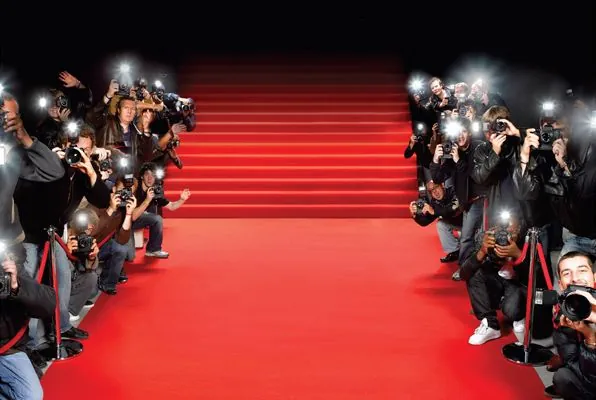
Celebrity non-disclosure agreements for private events are one-way legal contracts where guests and staff trade their absolute silence for access to an exclusive space. You get the wristband. The host gets legal ownership of everything you see, hear, or photograph. And if you break that trust, you owe them millions.
High-profile parties, secret weddings, and intimate industry gatherings operate under a strict code of silence. But that silence does not happen naturally. It is legally engineered. When an A-lister invites someone into their inner circle, they deploy Unilateral NDAs—documents that bind only the person walking through the door, leaving the host entirely free of any reciprocal obligations.
The Mechanics of the Velvet Rope
A contract is just a piece of paper unless something of value is exchanged. Lawyers call this contractual consideration. In the corporate world, consideration usually involves money or a job offer. At a celebrity event, the consideration is simply being allowed inside. If you sign the paper, you get to drink the free champagne. If you refuse, security walks you back to your car.
These documents are highly specific. A standard corporate NDA protects trade secrets and financial data. An event NDA protects reputation. The scope of “confidential information” explicitly covers the guest list, the interior layout, the specific activities taking place, and any unannounced romantic relationships on display.
Most of these contracts also include an absolute ban on recording devices. You surrender your phone at the door, or the camera lenses are covered with tamper-proof stickers. The agreement states clearly that even writing a description of the event on social media constitutes a legal breach. The host controls the narrative from top to bottom.
Why A-Listers Weaponize Paperwork
Celebrities rely on these documents to protect business collaborations and personal relationships from media scrutiny. A single leaked photograph from a private party can derail a carefully curated public image or reveal a brand partnership months before the official launch. Out-of-context leaks destroy value. NDAs act as an insurance policy against that destruction.
But the primary function of an event NDA is psychological. It establishes a formal boundary before the music even starts. It signals to attendees that the host takes their privacy entirely seriously. People behave differently when they know their gossip comes with a lawsuit attached.
The requirement applies to everyone. At high-net-worth gatherings, the guest list is only half the equation. The catering staff, the valets, the lighting technicians, and the personal assistants all sign the exact same paperwork. Often, the staff NDAs are even more restrictive, barring them from acknowledging they even worked the event for years afterward.
The Million-Dollar Threat: Liquidated Damages
Proving exact financial harm in a courtroom is notoriously difficult. If a guest leaks a photo of a pop star acting wildly at a private party, how do you calculate the exact dollar amount of the damage to their reputation? You cannot. And celebrities know this.
To bypass that legal hurdle, lawyers insert “liquidated damages” clauses into the agreements. These are pre-agreed, fixed financial penalties. If you leak the information, you agree upfront to pay a specific, astronomical sum.
High-net-worth individuals routinely attach aggressive numbers to these clauses. For instance, according to a breakdown by the Private Service Alliance, singer Justin Bieber previously hosted a private party where guests faced a $3 million penalty clause if they leaked any details. You post a quick video to TikTok, and you owe the host three million dollars. That level of financial ruin keeps people remarkably quiet.
When the Leak Happens: Enforcement and Loopholes
Let’s say a guest decides the clout is worth the risk. They take a secret photo and send it to a gossip blog. What actually happens next?
The celebrity’s legal team immediately issues a cease-and-desist letter to the guest. If the information is actively spreading online, the lawyers will file for an emergency court injunction to legally force the recipient to halt further unauthorized disclosures. If the case goes to trial, the breaching party is on the hook for the liquidated damages, compensatory damages, and often the celebrity’s legal fees due to a fee-shifting clause written into the contract.
But winning that lawsuit requires a solid paper trail. The celebrity must prove the specific individual breached the contract. More importantly, they must prove reasonable efforts were made to keep the information secret in the first place. If the host let fifty people into the party without signing the document, a judge will likely throw the case out. You cannot selectively enforce secrecy.
Courts also refuse to enforce an NDA if the leaked information was already in the public domain. If a tabloid published photos of a new celebrity couple arriving at the venue together, the NDA cannot punish a guest for talking about the couple being inside. The secret was already out.
Where to Watch / How to Access
Despite the legal threats, the public routinely accesses leaked details from these highly guarded events. How? Through the third-party loophole.
NDAs are strict contracts, but they only apply to the specific people who sign them. Tabloids, gossip sites, and entertainment journalists do not sign celebrity NDAs. If a party guest successfully leaks information to a reporter under the condition of anonymity, the publication is entirely free to publish the story.
The celebrity can sue the guest for breaching the contract—if they can figure out who the anonymous source was. But they generally cannot sue the third-party publication that received the tip. The publication has no contractual obligation to the celebrity. This legal reality is exactly why anonymous sources remain the lifeblood of entertainment journalism, and why celebrities go to extreme lengths to confiscate phones at the door.
What Critics/Fans Are Saying
Public opinion regarding celebrity NDAs is highly divided. Fans often defend the practice, arguing that high-profile figures deserve a right to privacy and a safe space away from constant surveillance. From this perspective, the paperwork is a necessary defense mechanism against a predatory media culture.
Critics, however, point out that these contracts are frequently used to cover up bad behavior, toxic work environments, and physical altercations. The intense secrecy protects the host from public accountability.
However, there is a hard legal limit to this secrecy. A common misconception is that NDAs offer absolute, blanket protection. They do not. Legally, an NDA cannot be used to prevent an individual from reporting a crime to law enforcement. If an assault occurs at a private Hollywood event, the contract is void regarding that incident. Silencing criminal reports violates public policy, and no judge will enforce a financial penalty against a guest who calls the police.
Key Takeaways
- Entry is the Currency: A private event NDA is legally binding because the “consideration” exchanged is the physical access to the exclusive venue and experience.
- Pre-Priced Penalties: Celebrities use liquidated damages clauses to set automatic, multi-million dollar fines for leaking information, removing the need to prove exact financial harm in court.
- The Criminal Exemption: While NDAs can successfully hide embarrassing behavior and secret business deals, they are legally powerless to stop a guest or staff member from reporting a crime to the police.