
Cities plan logistics for major sports parades by forming executive task forces, typically led by local law enforcement, that establish dedicated subcommittees to oversee crowd control, public transportation, and emergency response. They build extensive temporary infrastructure overlays along the route, initiate proactive public transit diversions, and utilize automated crowd-monitoring technology to manage density. Organizing a championship parade requires the same level of tactical preparation as the actual games that preceded it.
When a professional sports team wins a championship, the host city often has only a few days to prepare for an influx of hundreds of thousands of fans. Urban planners and police departments cannot rely on improvisation. They rely on strict frameworks and operational timelines that look a lot like a coach’s playbook.
We often watch these parades on television and see nothing but confetti and celebrating athletes on double-decker buses. But behind the scenes, city officials are executing a highly coordinated strategy to keep the public safe while managing the heavy financial and operational disruptions to normal city life. Here is exactly how cities plan logistics for major sports parades.
The Playbook: How Parade Planning Actually Works
Planning for a major victory celebration starts long before the final whistle blows. City officials typically establish an executive team the moment a local franchise enters deep into the postseason. This team functions like a front office, delegating specific responsibilities to specialized subcommittees.
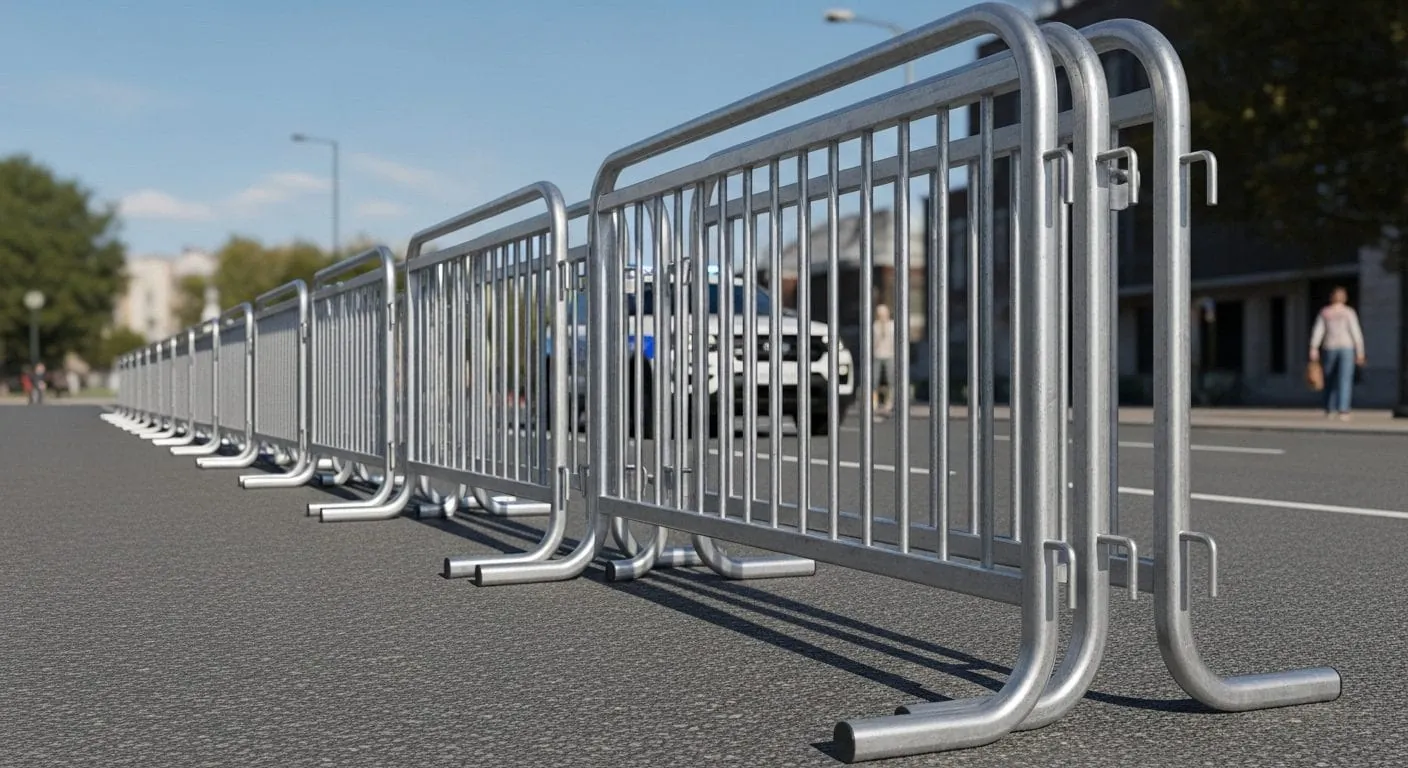
These subcommittees handle distinct functional areas. One group might focus entirely on route selection, while another coordinates public works for waste management. A critical component of this phase involves infrastructure overlays. Cities must invest heavily in temporary physical structures to outline the parade route and protect public property. This means installing miles of barricades, staging medical tents, and setting up temporary sanitation facilities.
Transportation integration is another major piece of the puzzle. Planners work directly with public transit agencies to manage the sudden surge of riders. They use proactive strategies like staging public transport diversions, initiating periodic tunnel closures to prevent bottlenecks, and preparing for extreme queuing at major rail stations. By forcing crowds into designated transit corridors, cities can better control how quickly people arrive at the main event space.
The Defense: Law Enforcement and Security Tactics
For law enforcement agencies, a championship parade is a complex defensive assignment. They face the difficult task of balancing safety and celebration. Police must secure the open-air route against worst-case scenarios, including targeted attacks or natural disasters, without ruining the festive atmosphere for the fans in attendance.
Before the first float rolls out, officials conduct extensive risk assessments to identify potential environmental hazards. This involves looking for choke points that could lead to crowd surging, crushing, or trampling. Authorities outline specific guidelines for planning, establishing subcommittees, and managing worst-case security scenarios at major events as outlined by the Department of Justice. Planners assign clear roles to safety staff, ensuring that designated commanders on the ground have the direct authority to halt the parade entirely if conditions become dangerous.
To maintain a strong visual on the crowd, security teams rely heavily on surveillance. They strategically place closed-circuit television (CCTV) cameras along the route and position trained stewards at elevated vantage points. This allows incident commanders to monitor crowd behavior dynamically and deploy officers to break up hazardous overcrowding before it spirals out of control.
The Analytics: Crowd Science and Density Management
Managing the physical space during a parade is a science. Crowd scientists and urban planners work together to prevent dangerous bottlenecks by utilizing physical barriers and designing contingency spaces. They frequently use a tactic known as “pen-by-pen” controlled filling. Instead of letting fans flood a single open plaza, police use barricades to separate the crowd into smaller, contained sections.
Once a specific “pen” reaches its safe capacity limit, police close the entry points and divert arriving fans to the next available section. But planners no longer rely solely on visual estimates to know when a space is full. Modern cities now utilize automated solutions to track real-time crowd movements. Algorithms and sensor networks allow officials to monitor crowd density from remote command centers.
This automated approach includes utilizing barriers for density control and analyzing real-time transit data according to an academic analysis in the journal Impact. Decision-makers cross-reference live transit utilization metrics, car park fill rates, and even social media sentiment to gauge exactly how fast a designated parade zone is filling up. If train station exits near the route show dangerous congestion, transit authorities will bypass that station entirely and drop fans further down the line.
The Salary Cap: Economic Realities and Input Costs
Local politicians and team boosters often argue that a championship victory and the subsequent parade provide an immediate economic stimulus to the city. However, economists routinely point out the paradox of championships. The net financial impact of a sports parade is usually much smaller than anticipated, and in many cases, it is actually negative for the local government.
The primary issue is productivity disruption. While a parade happens, standard city operations grind to a halt. The additional traffic, widespread street closures, and the diversion of the local workforce’s attention cause everyday economic activity to drop. The money fans spend on merchandise or at local bars is often offset by the lost productivity of businesses that close for the day or workers who call in sick.
Furthermore, the financial burden of staging the event falls squarely on the taxpayer. Local governments must subsidize the heavy input costs. This includes paying overtime municipal salaries for police officers and sanitation workers, funding emergency services, and covering the extensive clean-up operations. Planners must carefully weigh these substantial input costs and required infrastructure subsidies necessary to host mega-events detailed in Leisure Studies. Cities often dip into emergency funds or rely on private donations from the sports franchise to cover the shortfall.
Common Misconceptions About Championship Parades
When asking how cities plan logistics for major sports parades, fans often harbor a few persistent misconceptions about the process. The first is the idea that the host city makes a profit off the event. As discussed above, the infrastructure costs and police overtime almost always exceed the immediate tax revenue generated by hot dog vendors and local pubs.
Another common misconception involves how crowd numbers are reported. Fans and local media often claim that millions of people attended a specific parade. In reality, crowd science experts consistently find that these numbers are heavily inflated by public relations officials and team organizers. Physical space limitations in dense urban corridors mathematically prevent the massive crowd sizes often claimed on television.
Finally, many people assume that the most visible police officers—the ones walking alongside the buses or standing at intersections—are the primary security apparatus. In practice, the real security decisions happen in remote, centralized command centers. The officers on the ground are executing instructions based on automated density metrics, CCTV feeds, and transit data analyzed by officials miles away from the confetti.
Frequently Asked Questions
How do cities monitor crowds during sports parades?
Cities utilize a combination of manual oversight by trained stewards and advanced automated technologies. This includes using closed-circuit television (CCTV), computer vision, and real-time tracking of public transit and parking data to estimate crowd density. By cross-referencing these data streams, officials can prevent dangerous surges and close off specific street sections before they exceed safe capacity.
What are the main security challenges for law enforcement at victory parades?
Law enforcement must weigh implementing strict security measures, such as street closures and visible tactical units, against the public’s desire for a celebratory atmosphere. They must prepare for both routine incidents, like extreme queuing and drunkenness, as well as worst-case scenarios, such as targeted acts of violence or natural disasters. Staff on the ground also must maintain the authority to halt the event if hazards like crushing or trampling become imminent.
Do sports championship parades boost the local economy?
Despite popular belief, economists often find that the net economic impact of championship parades is relatively small or even negative. The heavy logistical costs, widespread infrastructure disruptions, and lost worker productivity during formal and informal celebrations frequently offset the financial gains from heightened consumer spending at local bars and retail shops. The burden of subsidizing police overtime and street cleanup also falls heavily on municipal budgets.