
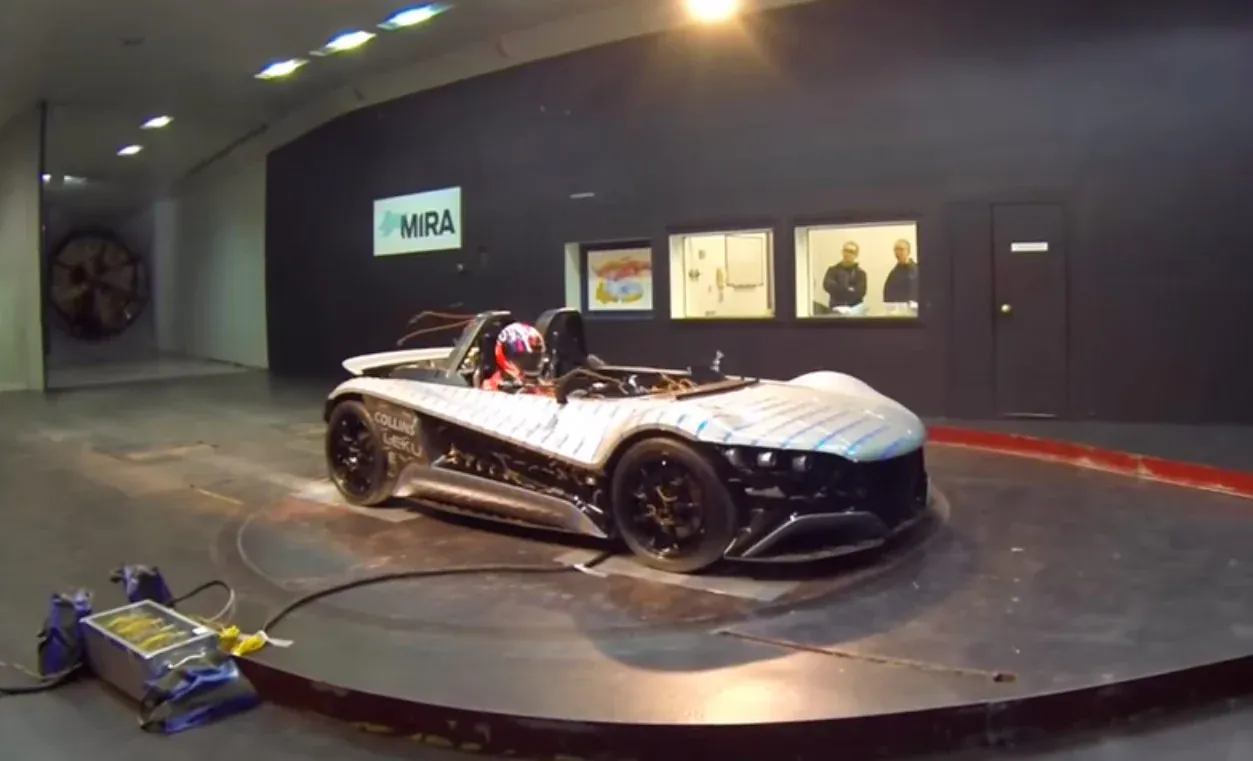
International fuel regulations force automakers to completely re-engineer vehicle dimensions, optimize aerodynamics, and alter powertrain mechanics to meet strict efficiency targets. Engineers balance regulatory footprint requirements—where larger vehicles legally qualify for higher emission limits—against the physical need to incorporate heavy battery packs and complex exhaust treatments. This structural conflict drives the widespread adoption of lightweight materials, advanced engine injection systems, and a rapid industry shift toward electric drivetrains. You cannot look at a modern car without seeing the direct physical outcome of government emission mandates.
The Mechanics of Attribute-Based Targets
Most major automotive markets abandon flat fuel standards in favor of targets tied directly to physical vehicle traits. All countries allow varied targets across the light vehicle fleet based on vehicle attributes such as mass or footprint. The footprint of a car is determined by multiplying its wheelbase by its average track width. This mathematical formula dictates exactly how much carbon dioxide the vehicle is permitted to emit.
A larger footprint automatically qualifies a vehicle for a lower fuel economy target. This rule directly incentivizes automotive designers to stretch the wheelbase and widen the axles of their new models. A car that might have been engineered as a compact sedan is frequently upsized into a crossover simply to gain a more favorable regulatory classification. The United States traditionally favors a fuel-neutral approach that evaluates the fleet average regardless of the specific fuel type burned in the combustion chamber.
European regulators rely heavily on strict weight categorization to force reductions in criteria pollutants like nitrogen oxides and particulate matter. The Euro 6 standards compel designers to integrate bulky exhaust aftertreatment systems underneath the vehicle. Space that was previously used for cabin storage or fuel capacity must now house chemical reduction catalysts.
Compliance happens on a corporate average basis. Manufacturers earn credits for producing zero-emission electric vehicles. Selling these high-efficiency cars allows the automaker to legally produce and sell less efficient, highly profitable internal combustion trucks. This compliance strategy is commonly known as emission leakage within the fleet.
Without battery electric vehicles and plug-in hybrids in the mix, the average new vehicle real-world fuel economy in the United States would have been 1.7 mpg lower in 2024. The reliance on electric drivetrains is absolute. Companies cannot pass modern regulatory tests using traditional combustion engines alone.
Feature Comparison Table: Conventional vs. Compliant Engine Designs
| Engineering Category | Traditional Combustion Design | Regulation-Compliant Design |
|---|---|---|
| Engine Mechanics | Continuous full-cylinder operation, fixed timing | Cylinder deactivation, variable valve timing, stop/start systems |
| Fuel Delivery | Basic port injection | Dual gasoline direct injection (GDI) and port systems |
| Aerodynamics | Form-driven aesthetics, open grilles | Wind-tunnel optimized curves, active grille shutters, flat underbody |
| Material Composition | Cast iron blocks, standard steel chassis | Aluminum engine blocks, high-strength steel, carbon fiber composites |
| Exhaust Filtration | Standard three-way catalytic converter | Diesel particulate filters (DPFs), selective catalytic reduction (SCR) tanks |
| Chassis Layout | Engine bay prioritized for a single motor | Modular skateboard designs to house flat lithium-ion battery packs |
Common Issues and Fixes
Engineers face intense physical contradictions when building cars to meet international mandates. Consumer demand leans heavily toward larger Sports Utility Vehicles. These larger bodies push the average fleet weight higher and increase aerodynamic drag. The engineering department must constantly fix the inefficiencies created by the marketing department.
The Weight Penalty of Electrification
Adding lithium-ion battery packs to meet zero-emission sales mandates adds hundreds of pounds to a vehicle’s curb weight. Heavier cars require more energy to move, which degrades the efficiency the battery was meant to provide.
- The Fix: Designers aggressively strip weight from the vehicle’s skeleton. They swap conventional cast iron engine blocks for lighter aluminum alloys. High-strength steel replaces standard steel in the A, B, and C pillars, allowing for thinner support structures that maintain crash safety while shedding mass. Carbon fiber reinforced polymers often replace steel roof panels to lower the vehicle’s center of gravity.
The Footprint Loophole
The Code of Federal Regulations defines exactly what constitutes a passenger car versus a light-duty truck. Light trucks enjoy a much flatter, easier compliance curve. Automakers realized they could slightly increase ground clearance and adjust the approach angles of a station wagon to legally reclassify it as a crossover SUV.
- The Fix: Policymakers and engineers continuously adjust the slope of the footprint curve to discourage artificial upsizing. But designers still manipulate exterior dimensions to hit the sweet spot of the regulatory curve. It is a mathematical workaround where making a car physically larger makes it legally compliant.
The Aerodynamic Wall
Large trucks and SUVs naturally feature tall, flat front fascias. This boxy design creates a large wall of aerodynamic resistance at highway speeds. High drag coefficients devastate fuel economy numbers during high-speed regulatory testing cycles.
- The Fix: Engineers implement active aerodynamics without altering the core visual identity of the truck. They install active grille shutters behind the front bumper. These mechanical louvers automatically close at highway speeds to block air from entering the engine bay, routing it smoothly over the hood instead. Designers also install flat underbody belly pans to prevent air from catching on exhaust pipes and suspension components.
Thermal Inefficiencies and Cold Starts
Catalytic converters require intense heat to scrub pollutants from the exhaust stream. During a cold engine start, the converters are too cold to function properly. A significant portion of a vehicle’s total emissions occurs in the first two minutes of driving before the exhaust system reaches operating temperature.
- The Fix: Engine designers now integrate the exhaust manifold directly into the cylinder head. This layout captures the extreme heat of combustion immediately and channels it straight to the catalytic converters. The exhaust system hits optimal temperature much faster, slashing cold-start emissions and allowing the car to pass strict European laboratory tests.
Alternative Methods or Tools
Car companies utilize off-cycle credits and off-engine technologies to satisfy regulatory bodies. You do not always have to redesign the combustion chamber to improve a car’s legal fuel economy score.
Off-Cycle Electrical Efficiency
Every electrical component inside a car draws power from the alternator. The alternator creates resistance on the engine via a serpentine belt. High electrical loads force the engine to burn more fuel. Automakers claim regulatory credits by designing high-efficiency electrical subsystems. They use advanced alternators that only engage when the vehicle is decelerating. Engineers swap incandescent halogen bulbs for high-efficiency LED lighting arrays. Smart battery management systems actively monitor and optimize the electrical draw of the infotainment system.
Smart Cooling and Parasitic Loss
Older cars feature mechanical water pumps and hydraulic power steering pumps driven directly by the engine’s serpentine belt. These accessories create constant parasitic drag. Engineers now delete these mechanical pumps. They install electric power steering racks and electric water pumps powered by the battery. An electric water pump only circulates coolant when the engine temperature rises. The engine no longer fights against its own accessories to rotate.
Cylinder Deactivation Hardware
A large V8 engine wastes fuel during steady highway cruising because it does not need the power of all eight cylinders to maintain speed. Cylinder deactivation provides a mechanical alternative to permanently downsizing the engine. Specialized camshafts and electronic solenoids physically disconnect the intake and exhaust valves on half of the engine’s cylinders under low-load conditions. The engine essentially operates as a smaller four-cylinder motor on the highway, instantly reactivating the dormant cylinders when the driver presses the accelerator.
Dual Fuel Injection Systems
Direct injection sprays fuel at extremely high pressure straight into the combustion chamber. This cools the cylinder and prevents engine knocking, allowing engineers to run higher, more efficient compression ratios. But direct injection systems often increase the output of fine particulate soot. Automakers combine direct injection with traditional port fuel injection. The engine’s computer switches between the two delivery methods in real-time depending on the driving speed and temperature. This dual approach maximizes power while filtering out the soot that would otherwise cause a vehicle to fail European particulate tests.
Transmission Gearing and RPM Control
Regulations strictly measure fuel burned over a set distance. An engine burns the least fuel when operating at low revolutions per minute (RPM). Traditional four-speed transmissions forced engines to rev high at highway speeds. Automakers now pack eight, nine, or ten gears into modern automatic transmissions. This dense gear ratio spread allows the car to cruise at 70 miles per hour with the engine barely turning above idle speed. Continuously Variable Transmissions (CVTs) abandon physical gears entirely, using steel belts and adjustable pulleys to hold the engine at the exact optimal RPM for any given speed.
Low Rolling Resistance Tires
Tire friction steals a high percentage of engine power. Engineers partner with tire manufacturers to develop low rolling resistance rubber compounds. These tires use stiffer sidewalls and specialized tread patterns to prevent the tire from flattening and dragging as it rolls along the asphalt. While they occasionally sacrifice a small amount of cornering grip, they drastically cut the rolling friction measured during government laboratory tests.
Key Takeaways
- Automakers stretch vehicle track widths and wheelbases to exploit footprint-based regulations, intentionally up-sizing cars to qualify for laxer emission targets.
- Engineers replace cast iron and standard steel with lightweight aluminum alloys and carbon composites to offset the heavy physical penalty of mandated electric battery systems.
- Cars pass strict laboratory emission tests through off-engine hardware tweaks like active grille shutters, electric power steering, and cylinder deactivation mechanisms.