
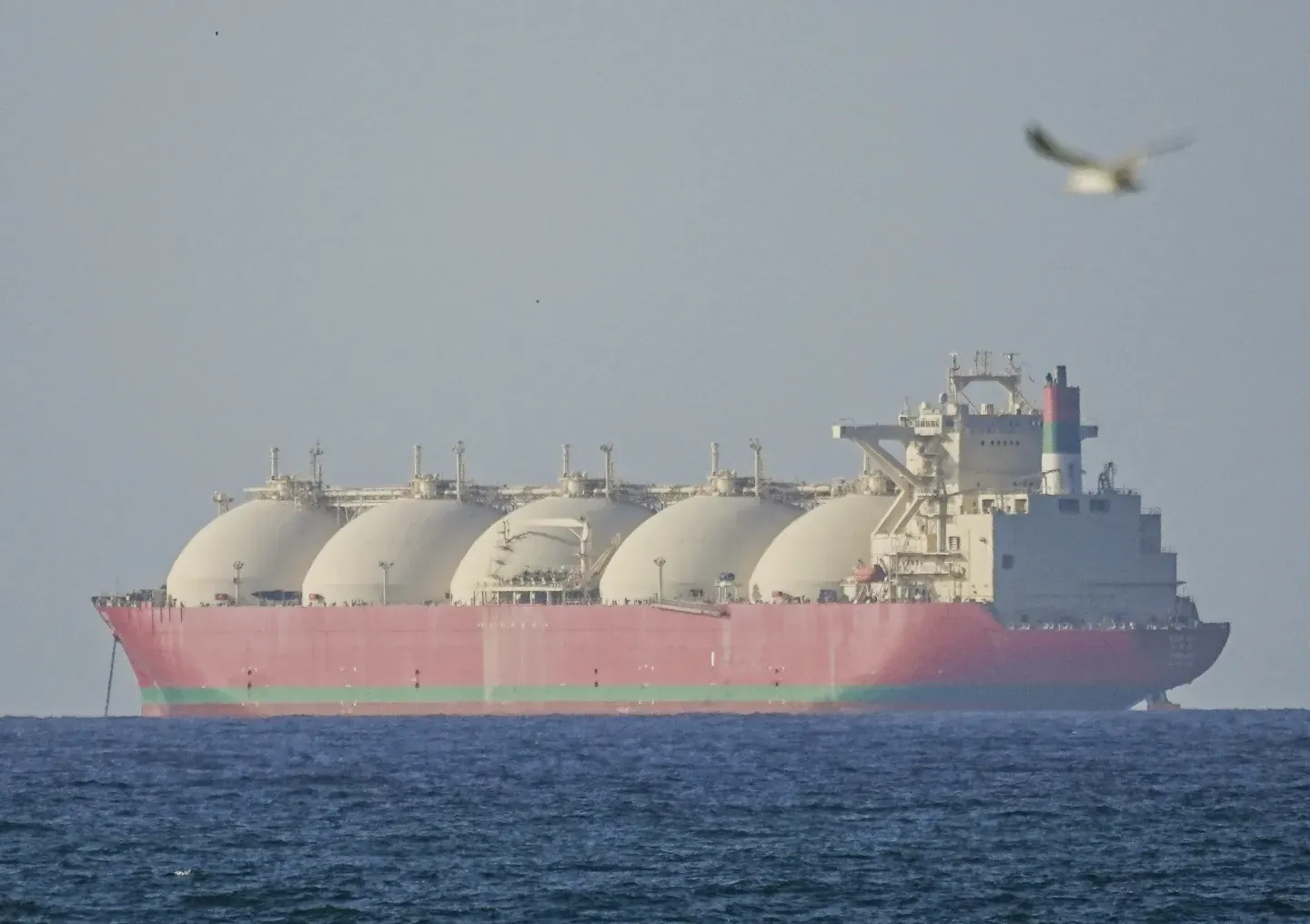
People often ask, how does the Strait of Hormuz affect global oil supply? The answer lies in simple geography and immense daily volume. The strait is a narrow waterway connecting the Persian Gulf to the open ocean. Roughly 20 percent of global daily petroleum consumption passes through this single, unavoidable channel. Any military threat or physical blockade here immediately traps tens of millions of barrels of crude oil and liquefied natural gas inside the Gulf. This cuts off a primary energy source for international markets, sending immediate shockwaves through the global economy.
Background: How We Got Here
The geographical layout of the Middle East dictates the physical flow of energy. The Strait of Hormuz sits squarely between Oman to the south and Iran to the north. Oil pumped from fields in Saudi Arabia, Iraq, Kuwait, and the United Arab Emirates must travel through this specific channel to reach the Gulf of Oman. From there, ships move out into the Arabian Sea and head toward buyers in Asia, Europe, and the Americas.
At its narrowest point, the opposing coastlines squeeze the shipping lanes into a gap of just 21 miles. Shipping vessels cannot simply spread out to avoid detection or military surveillance. They must stick to well-defined, deep-water transit corridors within this extremely narrow band of ocean.
Width is only one part of the shipping equation. The transit channels within the strait are naturally deep. This physical depth allows Very Large Crude Carriers, commonly known in the industry as VLCCs, to operate fully loaded. These giant ships carry millions of barrels of crude oil in a single trip. They are the primary physical vehicles for global energy transport. Without the extreme depth provided by the strait, these ships would scrape the ocean floor. They would be forced to carry lighter, less profitable loads, which would require even more ships to move the same amount of oil.
History shows repeated, deliberate attempts to control or disrupt this exact transit route. During the 1980s, the Iran-Iraq conflict escalated into what became widely known as the Tanker War. Both nations openly targeted commercial oil tankers moving through the Gulf and the strait. The goal was to financially cripple the opposing side by physically destroying their ability to export oil and collect revenue.
The energy market reacts aggressively to any threat in this region. The threat does not even need to close the strait to cause a panic. When attacks hit Saudi Aramco facilities in 2019, the sudden risk to regional oil output caused crude prices to jump by 15 percent in a single trading session. Buyers panic and bid up prices when they see the primary supply line under active threat.
Tensions flared again heavily in early 2026. Escalated conflicts and military strikes severely disrupted the normal daily flow of the waterway. Shipping companies looked at the physical risk to their crews and their hardware, and many decided to keep their boats out of the area entirely.
Key Players and Stakeholders
Energy producers want to sell their oil, but they do not own most of the ships. Independent shipping conglomerates and international logistics firms own the tanker fleets. These private companies make daily decisions about the safety of their crews and their physical vessels.
During the early 2026 crisis, tanker traffic passing through the waterway plummeted by nearly 90 percent. Dozens of vessels dropped anchor safely outside the strait to wait for conditions to improve. Others decided to completely reroute their journeys. They accepted extensive delays rather than risking a direct missile strike on a loaded fuel tanker.
Naval forces sometimes attempt to keep the shipping lanes open. Western governments rely on the steady flow of oil to keep their own domestic economies running. The U.S. and French governments actively discussed deploying naval escorts to accompany commercial tankers through the strait during the 2026 blockade fears. The idea was to place heavily armed warships alongside the civilian vessels to deter incoming attacks.
But military experts and former naval officers cautioned against this specific tactic. Moving warships alongside slow, cumbersome oil tankers in narrow shipping lanes is incredibly dangerous without a formal cessation of hostilities. Advanced anti-ship missiles can launch from the rocky northern coastline and strike a target in seconds. A warship has very little time to track and intercept a missile in a 21-mile-wide channel. Experts warned that conducting escort missions under these conditions borders on suicidal for the naval crews involved.
Insurance underwriters hold immense, quiet power over the flow of global trade. Shipping companies must buy specialized war-risk insurance when they send a vessel into a recognized conflict zone. Insurance actuaries evaluate the statistical likelihood of a ship sinking and adjust their prices accordingly.
When the physical risk goes up, the financial premiums go up immediately. In early 2026, war-risk insurance premiums for vessels jumped from roughly 0.25 percent to 1.25 percent of a ship’s total value. For a modern tanker carrying tens of millions of dollars in crude oil, that single percentage point increase adds huge upfront costs to a single voyage. Many shipping firms simply refuse to pay it, choosing instead to halt operations and wait.
What’s at Stake
To understand how the Strait of Hormuz affects global oil supply, you have to look at the daily volume moving through the water. Approximately 20 million barrels of oil transit the strait every single day. This covers a huge portion of the daily energy needed to power factories, fuel personal cars, and heat homes around the world.
The strait also handles over 33 percent of global Liquefied Natural Gas (LNG) exports. LNG is a critical, high-demand fuel for electrical grids, particularly in Europe and Asia. When the strait closes or slows down, both liquid oil and natural gas supplies drop simultaneously on the global market.
When shipping fleets refuse to enter the Persian Gulf, they have to find another way to move energy around the globe. Bypassing the Middle East entirely often forces shipping fleets to sail all the way down the coast of Africa, around the Cape of Good Hope, and back up the other side to reach European ports.
This African detour is incredibly long and highly expensive. It adds over 3,500 nautical miles to a standard journey. Ships burn thousands of extra gallons of marine fuel just to make the extended trip.
The detour adds 10 to 14 days to the transit time. Adding two weeks to every single shipment effectively reduces global fleet capacity by up to 15 percent. Ships are stuck in transit on the open ocean instead of returning to port to load the next batch of oil. A ship taking 14 extra days one way will take 28 extra days on a round trip. It misses an entire delivery cycle. There are simply not enough spare tankers on the ocean to make up for a 15 percent drop in shipping efficiency.
This loss of fleet capacity heavily strains just-in-time supply chains. Oil refineries wait longer for crude deliveries. Power plants burn through their backup reserves of natural gas while waiting for delayed LNG ships to arrive.
The financial ripple effects hit the broader consumer economy quickly. Prolonged closures in the strait directly fuel global inflation. During the 2026 supply disruptions, Brent crude prices pushed above 110 dollars per barrel.
Sustained high energy prices make everything else in the economy more expensive. Retailers pay more to ship consumer goods on diesel trucks. Manufacturers pay more for the electricity required to run their heavy assembly lines. Agricultural producers pay more for petroleum-based fertilizers and tractor fuel.
When energy costs drive up the baseline price of consumer goods, central banks react. They frequently have to halt planned interest rate cuts to keep inflation from spiraling out of control. Borrowing money stays expensive for everyday citizens. Understanding how the Strait of Hormuz affects global oil supply means watching a geographic bottleneck turn into an insurance spike, which turns into a shipping delay, which ultimately becomes a persistent global inflation driver.
Frequently Asked Questions
Why is the Strait of Hormuz important for oil prices?
The Strait of Hormuz is a narrow waterway located exactly between Oman and Iran. Approximately 20 percent of global oil consumption and over 33 percent of global LNG exports pass through this channel. Because such a huge volume of energy relies entirely on this single route, any disruption to tanker traffic directly reduces global supply. When global supply drops and consumer demand remains steady, crude prices spike aggressively on the open market.
How high could oil prices go if the strait closes?
If a physical closure lasts more than two weeks, WTI crude can spike well over 100 dollars per barrel. Brent crude has been shown to exceed 110 dollars per barrel during heightened blockade fears, as clearly seen during the early 2026 market disruptions. The exact peak always depends heavily on the total duration of the disruption and how quickly international governments release their strategic reserves to flood the market with backup oil.
Could governments intervene to lower prices during a disruption?
Yes. Governments maintain large emergency fuel stockpiles for this exact scenario. The U.S. Department of Energy can authorize rapid emergency releases from the Strategic Petroleum Reserve (SPR). Additionally, the International Energy Agency (IEA) mandates its member nations to hold at least 90 days of net import coverage. These physical reserves exist specifically to provide a strategic cushion against immediate supply shocks caused by major chokepoint closures.