
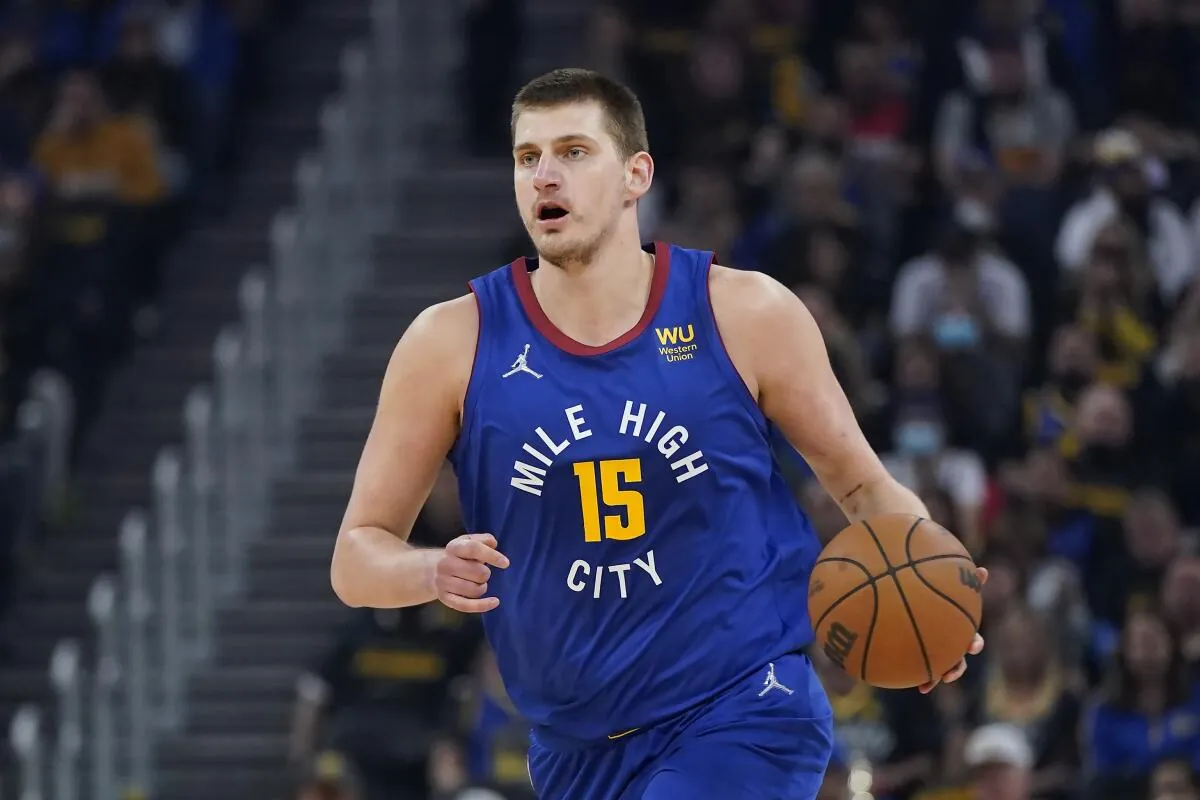
A point-center is a player who physically plays the center position but possesses the ball-handling, passing, and court-vision skill sets traditionally reserved for a point guard. You evaluate these schemes by looking at how the big man initiates the offense, reads defensive coverages, and creates scoring opportunities from both the perimeter and the paint. Instead of waiting near the basket for an entry pass, these players receive the ball at the top of the key to start the play. And that simple geographic change completely rewrites how the game is played on both ends of the floor.
How the Point-Center Scheme Works
The mechanics are simple on paper but incredibly difficult to execute in reality. A point-center scheme relies heavily on surrounding the big man with shooters and fast cutters. This approach is all about maximizing functional spacing on the floor. When the center holds the ball near the three-point line, the defense has to make an immediate choice. If the opposing center steps out to guard him, the paint is completely empty. Cutters can run straight to the basket without a rim protector standing in their way.
If the opposing center sags back to protect the paint, the point-center has an open jump shot or a clear, unobstructed passing lane to find an open teammate. Point-centers often operate out of high post or pick-and-roll situations. These schemes specifically attack defensive screen coverages by putting the largest players in unfamiliar situations.
Evaluating the scheme involves watching a few specific actions on the floor:
- The Inverted Pick-and-Roll: The large center dribbles the ball while a smaller, quicker guard sets the screen. This forces the defense into terrible switching mismatches.
- Dribble Hand-Offs (DHO): The center holds the ball at the top of the key. A guard sprints toward him, takes a quick hand-off, and immediately shoots behind the wide physical frame of the big man.
- Backdoor Passing: Because the center pulls the opposing rim protector away from the basket, the painted area is wide open. Guards sprint along the baseline to catch bounce passes for uncontested layups.
Every player on the court knows their job is to move, cut, and find open space while the big man reads the defense. The entire offense optimizes the personnel roles around the center’s gravity and passing ability.
Why Teams Use This and When It Applies
Teams run this scheme because it breaks traditional defensive rules and generates highly efficient shots. Analytics show that team win probabilities increase when they optimize their shot selection. Point centers routinely generate high-quality three-point looks for their teammates. Analysts track the offensive tendency coefficient to measure how well a team gets open shots from these setups. Increasing the percentage of open three-point shots significantly improves the probability of winning compared to forcing low-efficiency two-point shots in heavy traffic.
To properly evaluate a point-center, you have to look beyond standard scoring metrics like points and rebounds. True offensive value is determined by the total points generated from all the plays a player makes. Analysts measure this by determining a player’s true offensive value, which includes direct assists and the free throws resulting from those facilitated plays. A player might only score 15 points in a game. But if his passing creates another 30 points for his teammates, his actual value to the offense is enormous.
Defensively, the repercussions for the opposing team are severe. Point-center schemes force opposing centers out of the paint. This heavily tests their lateral quickness and defensive mobility. When evaluating how to stop these schemes, scouts must heavily analyze an opposing big man’s acceleration, deceleration, and ability to get around screens on the perimeter.
The physical toll this takes on a defense is real. Traditional centers spend their entire basketball lives learning how to protect the rim and grab rebounds. They are not used to chasing fast guards around the three-point line or fighting through perimeter screens. A point-center forces that traditional rim protector to run constantly. By the fourth quarter, the opposing big man is often exhausted. An exhausted player makes mental mistakes, misses defensive rotations, and fails to contest shots.
Famous Examples from Major Games
The point-center concept is not entirely new. Its roots stretch back to Bill Russell in the early days of professional basketball. He was known for his quick outlet passing and his ability to grab defensive rebounds and run the fast break himself. He occasionally initiated the offense before the traditional guards even set up the play. But the modern era took this idea and turned it into an exact science.
The Denver Nuggets run the most prolific point-center scheme in the modern era with Nikola Jokić. During recent playoff runs, his facilitation completely dictated the entire game flow. In a late April playoff game against the Minnesota Timberwolves, he orchestrated the offense to the tune of heavy double-digit scoring and rebounding numbers, while logging well over a dozen assists in a single night. The entire offense ran squarely through his hands from the top of the key.
Domantas Sabonis is another clear example of this tactic in action. Operating as the offensive hub for the Sacramento Kings, Sabonis is a perfect example of the dual-threat nature of the scheme. During recent regular seasons, he routinely posted near triple-double averages over an 82-game stretch. He proved exactly how an offense centers on high-post decision-making. He brings the ball up the court, directs traffic with hand signals, and hits cutters with perfectly timed bounce passes through heavy defensive traffic.
Common Misconceptions
Many fans think a point-center is just a traditional big man who happens to be a good passer from the post. But this differs from traditional big men, as point-centers actively initiate the offense rather than just acting as a secondary passing option. A good post passer waits for the guard to run the play, catches the ball near the basket, and passes out if a double-team comes. A true point-center actually runs the play from the very start, often bringing the ball up the floor themselves.
Another misconception is that the scheme only requires one highly skilled player to work. A point-center scheme is completely useless if the other four players on the court stand still. The system requires constant motion, off-ball screens, and baseline cuts. If teammates do not move, the center has absolutely no one to pass the ball to. The scheme demands high cardiovascular conditioning and sharp spatial awareness from the entire roster, not just the big man holding the basketball.
People also assume you can just put any highly skilled, tall center into this role and expect good results. You need specific mental and physical traits. The player needs to see over the defense, process complex defensive rotations in real-time, and deliver highly accurate passes with either hand off the dribble. You cannot teach that level of court vision overnight.
Frequently Asked Questions
What is a point center in basketball?
A point center is a traditional big man who possesses the ball-handling, passing abilities, and court vision of a point guard. Instead of just playing near the basket in the post, they often initiate the offense. They facilitate scoring opportunities for their teammates from both the perimeter and the inside.
How do analysts evaluate the success of a point-center?
Analysts evaluate these players by determining their true offensive value. They measure not just the points the player scores directly. They add the total number of points their passing generates. This includes direct assists and the foul shots drawn by teammates off those specific passes.
Who are the best examples of point-centers in the NBA?
In recent years, players like Nikola Jokić and Domantas Sabonis act as the premier examples of this role. Jokić frequently records high-assist games in the playoffs as the focal point of his team. Sabonis routinely averages high assist numbers as the primary offensive hub for his entire roster.