
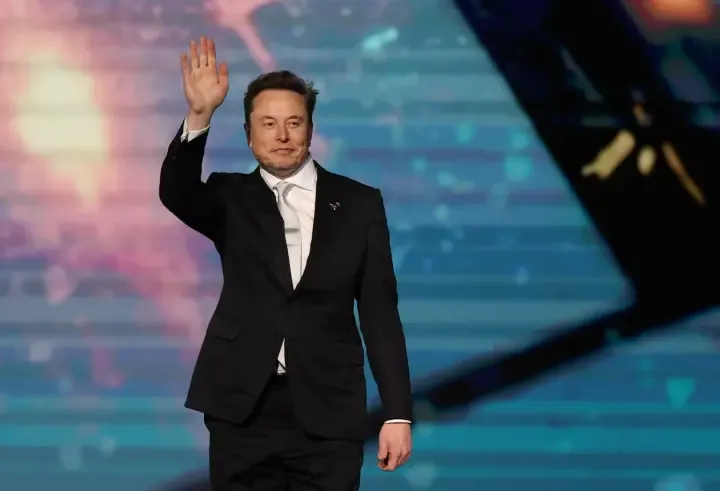
Elon Musk announced plans to open-source the design and software for the Tesla Model S and Model X on July 24. The move comes shortly after the company permanently ended production of both flagship electric vehicles in May 2026.
But don’t expect a sudden flood of legally cleared schematics to hit the internet. The announcement immediately drew scrutiny from industry watchers who remember how the automaker handled a similar promise for the original Roadster.
Musk stated on X that the company plans to release the files just as they did with their first production vehicle. That’s exactly what has automotive engineers concerned. When Tesla released the Roadster files in November 2023, the data drop consisted of just eight files on GitHub and five document packages hidden behind a login screen. It lacked actual computer-aided design files, controller firmware, and a recognized open-source license. To see how restricted the data was, read the Fred Lambert analysis detailing the previous Roadster file release.
The decision to dump the Model S and X data follows a massive operational shift in California. Tesla halted custom orders for the luxury vehicles on April 1, 2026. After that, they executed a 46-day transition to produce Optimus humanoid robots, finalizing the Fremont factory conversion in May.
Automakers naturally guard their firmware and design files closely. A true open-source release would give third-party restoration shops and independent developers the formal reference materials they need to service vehicles no longer supported by the manufacturer.
Why does an official license matter so much for a discontinued car?
Without it, small manufacturers and modders face severe legal risks if they attempt to build or sell compatible aftermarket parts based on the code.
The stakes for the Right to Repair movement are massive.
Independent Developers Require Formal Licensing Agreements
Despite the restrictive nature of the 2023 data drop, the aftermarket community still squeezed value out of it. Engineering groups like Antmicro managed to build a working simulation of the Roadster’s electronics using just the limited files provided. If Tesla commits to releasing the complete Model S and X firmware under a recognized Free and Open Source Software structure, it would supply developers with 14 years of production-grade vehicle architecture. Until the actual CAD files and licenses appear, the independent repair industry remains locked out of the proprietary hardware network.