
A federal regulatory campaign targeting Tesla’s automated-driving software faces renewed scrutiny following a fatal collision in Texas. On Friday evening, a Tesla vehicle traveling at high speed failed to make a right turn at an intersection and crashed through the brick wall of a home in Katy. The vehicle breached the front room of the residence, resulting in the death of 76-year-old Martha Avila, who was airlifted to Memorial Hermann hospital before being pronounced dead. The 44-year-old driver, Michael Butler, survived the impact and told responding Harris County Precinct 5 deputies that the vehicle was operating on Autopilot at the time of the crash.
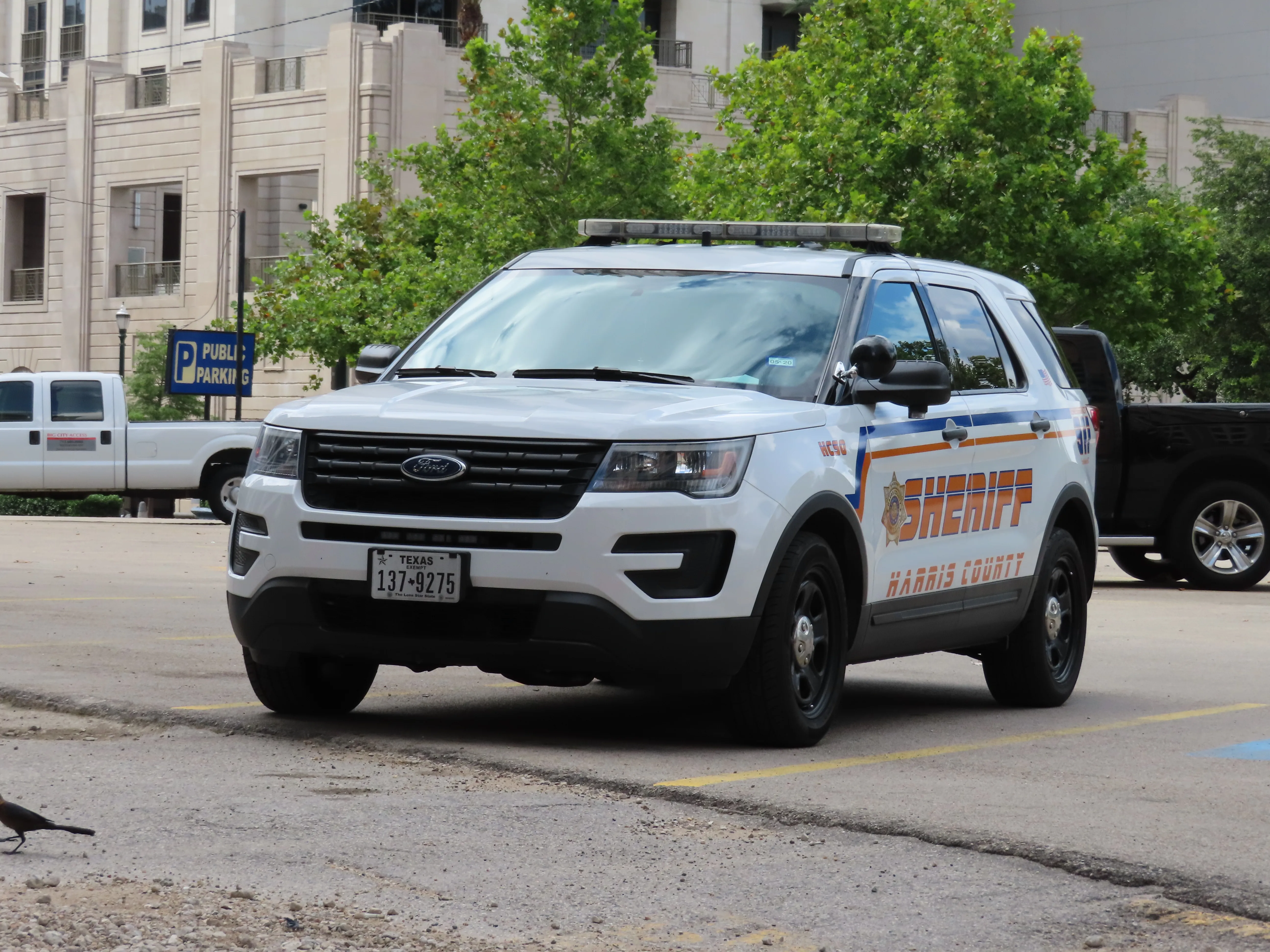
Butler was hospitalized and is cooperating with law enforcement. Authorities confirmed the driver showed no signs of intoxication, and no charges have been filed as the initial investigation continues, according to official statements from the Harris County Sheriff’s Office. Sgt. Alex Turman and the Vehicular Crimes Division are evaluating the vehicle’s telemetry data to determine whether Autopilot, Full Self-Driving, or any other driver-assistance feature was engaged when the car left the roadway at the 21300 block of Rose Hollow Lane. The probe will also evaluate Butler’s speed and physical control over the vehicle prior to the collision.
This incident occurs immediately following a shift in legal precedent regarding autonomous driving liabilities, where jurors recently held a vehicle manufacturer partly liable for a crash despite the driver being demonstrably distracted. That specific legal breakthrough has prompted Tesla to settle several subsequent Autopilot-related crash lawsuits out of court.