
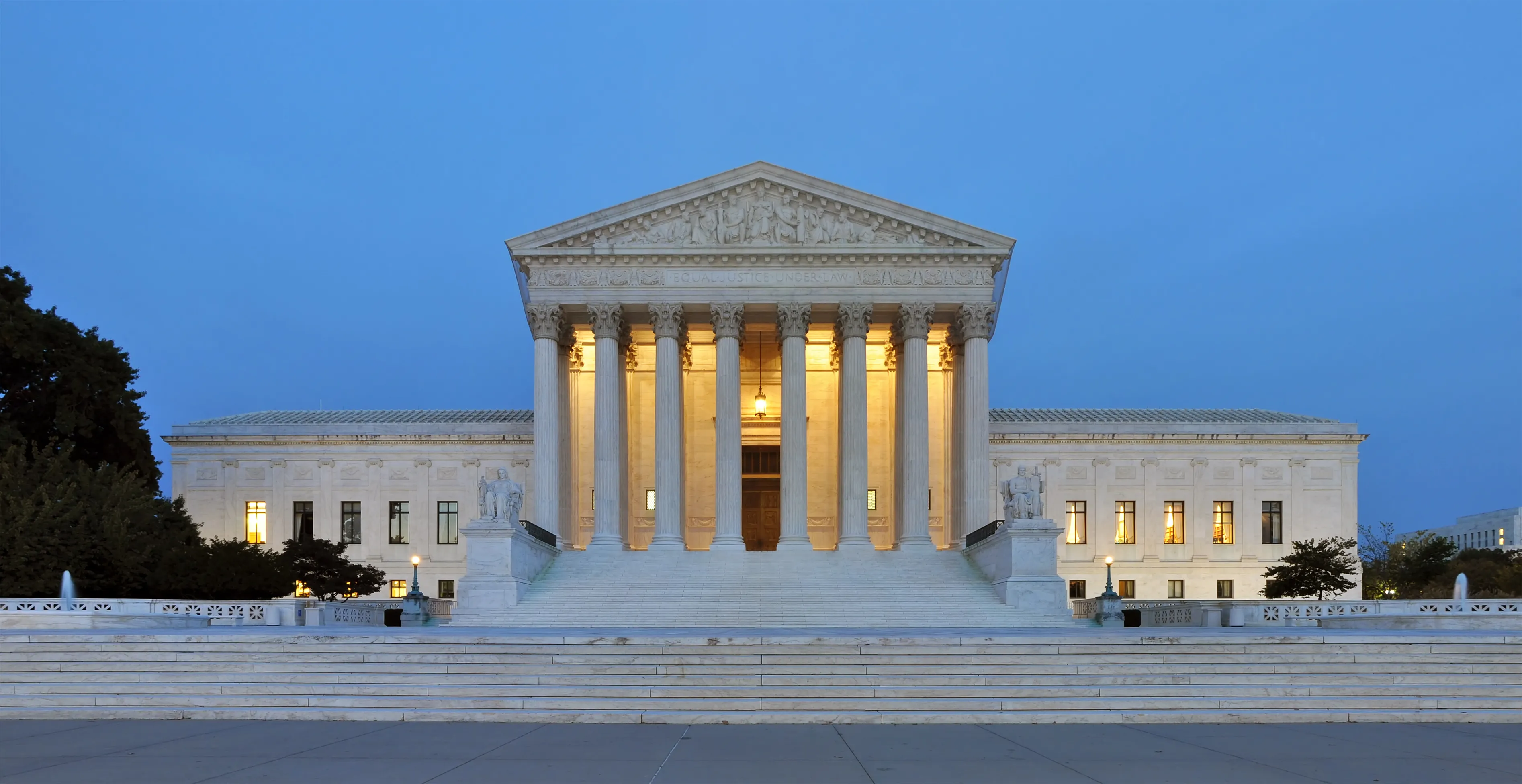
The U.S. Supreme Court struck down President Donald Trump’s 2025 executive order targeting automatic birthright citizenship in a 6-3 decision. The ruling resolves a tense 17-month legal battle over national immigration policy and constitutional precedent.
Chief Justice John Roberts authored the majority opinion in Trump v. Barbara. He explicitly ruled that children born on U.S. soil are guaranteed citizenship under the 14th Amendment. Justices Elena Kagan, Sonia Sotomayor, Amy Coney Barrett, and Ketanji Brown Jackson joined the majority. Brett Kavanaugh concurred in the judgment. Justices Clarence Thomas, Samuel Alito, and Neil Gorsuch dissented.
Roberts rooted his opinion in strict historical precedent. He framed the 14th Amendment as a direct repudiation of the Dred Scott decision, according to the Constitution Center.
Civil rights groups celebrated the decision immediately. The ACLU called it a “stunning loss” for the Trump administration, after advocates spent over a year arguing the Supreme Court birthright citizenship case threatens 158 years of constitutional law.
But the political reaction from conservative officials was sharp. Trump posted on Truth Social that the ruling was “too bad for our country.” He urged Congress to pass immediate legislation restricting the practice and promised his total support.
Stephen Miller, a top immigration adviser for Trump, condemned the court on X. He labeled the ruling “one of the most destructive and outrageous decisions” in the institution’s history, adding that citizenship is not “the birthright of the world.” Texas Republican officials also criticized the outcome, citing concerns over border sovereignty.
Meanwhile, the U.S. Department of Justice shifted its enforcement strategy. In the immediate aftermath of the ruling, the DOJ announced a new directive prioritizing the prosecution of “birth tourism schemes.” The department stated that actors exploiting legal loopholes for automatic citizenship pose a direct national security threat.