
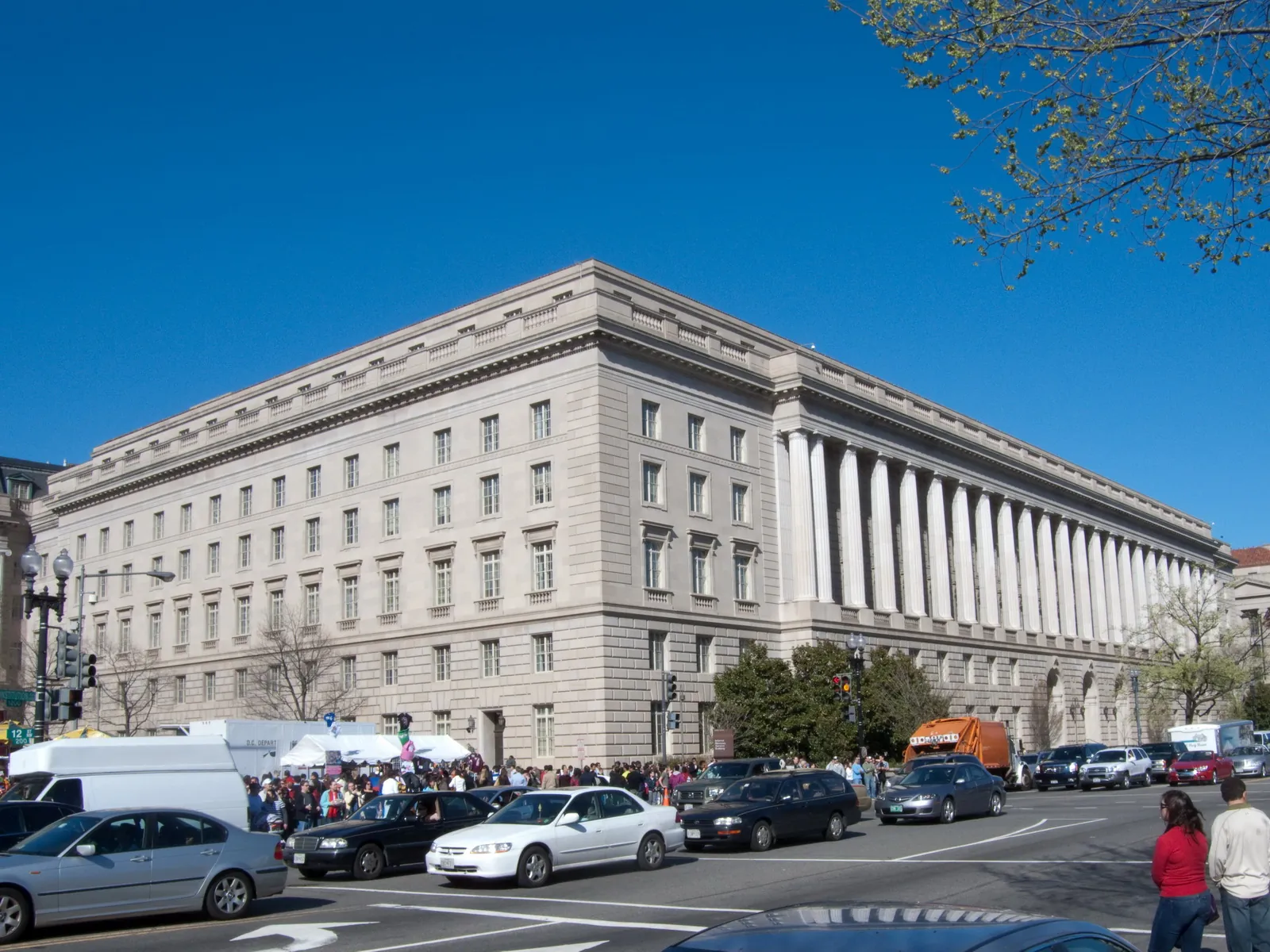
The U.S. Supreme Court left a lower court ruling in place that allows the Internal Revenue Service to assess unpaid taxes indefinitely if a tax preparer committed fraud on the returns. The decision confirms that the indefinite statute of limitations applies even if the taxpayer was completely unaware of the third-party preparer’s illegal actions or intent to evade taxes.
The action by the justices finalizes a standard where the IRS is free to chase taxpayers forever for past discrepancies, shifting long-term liability onto the clients of fraudulent accountants.
Key Details
- The ruling centers on Murrin v. Commissioner, a case where taxpayer Stephanie Murrin was pursued by the IRS for tax years 1993 through 1999.
- Murrin’s preparer, Duane Howell, placed false entries on her returns without her knowledge. She signed the documents in good faith.
- In 2025, the Third Circuit Court of Appeals ruled against Murrin, determining that the tax code’s fraud exception is written in a passive voice and does not require the taxpayer to possess the intent to defraud.
The legal dispute focuses on the wording of the fraud exception found in the tax code. The language, which traces its origins back to the Revenue Act of 1918, suspends the standard three-year audit window if a false or fraudulent return is filed with the intent to evade tax. The Third Circuit concluded the statute is agnostic regarding whose specific intent triggers the exception.
By declining to take up the case, the Supreme Court leaves intact a deep circuit split within the federal judiciary. The Third Circuit’s interpretation directly conflicts with a 2015 Federal Circuit decision in BASR P’ship v. United States. That court ruled the intent to evade tax must belong specifically to the taxpayer to suspend the statute of limitations.
How the Ruling Shifts Liability to Innocent Taxpayers
The decision formally validates the agency’s use of the mechanics of Section 6501(c) to indefinitely suspend standard protections established under Section 6501(a). The burden of proof now falls entirely on taxpayers to defend decades-old financial records if the government discovers their preparer acted illegally.
The American College of Tax Counsel filed an amicus brief supporting the taxpayer during the appeals process. The organization argued the Third Circuit’s interpretation destroys the foundational rule of repose, trapping innocent taxpayers with crushing debt and compounding penalties years after they filed what they believed were accurate returns.