
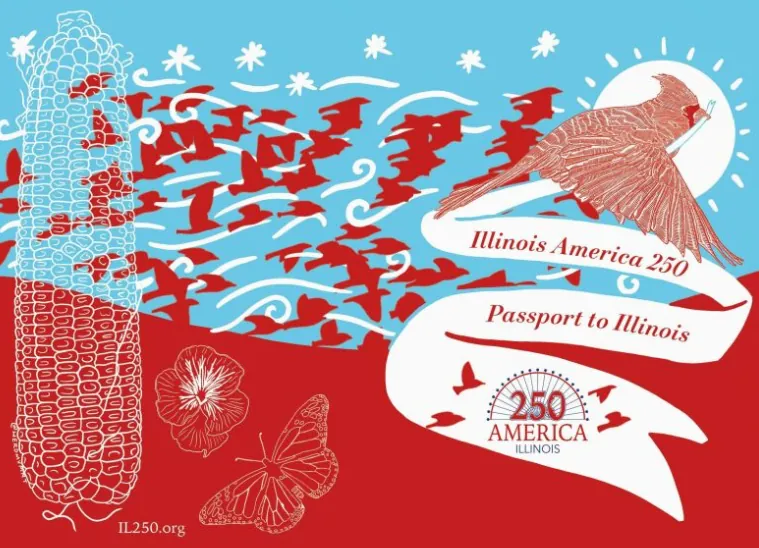
As the federal government launches its official America 250 festivities, a growing number of states are moving to offer an alternative vision for the milestone. While the Washington D.C. program leans heavily into large-scale public displays, commissions in Illinois, Rhode Island, and Connecticut have instead prioritized local historical inquiry and inclusive education.
The Illinois state commission, for instance, is distributing 100,000 free historical passports to residents. These books guide citizens to nearly 60 sites across the state, ranging from the memorial for abolitionist journalist Elijah P. Lovejoy to the ruins at Cahokia Mounds. This grassroots approach contrasts with the federal Freedom 250 state fair, which has been boycotted by 11 Democratic-controlled states citing concerns over partisan messaging and a lack of financial transparency.
The divide extends to how government entities approach national narratives. Critics, including those featured in recent political commentary, have argued that federal organizers have prioritized specific ideological agendas over a broader account of American history. For many areas, the challenge of hosting large gatherings is also compounded by environmental factors, such as the severe wildfire risk that has led to the cancellation of traditional pyrotechnic displays in several Colorado towns.
The tension underscores a deeper disagreement about the purpose of the upcoming anniversary. While federal programs look to emphasize national unity through centralized spectacle, state-level organizers are betting that residents prefer a localized search for meaning that acknowledges both the achievements and the complicated history of the American project.