
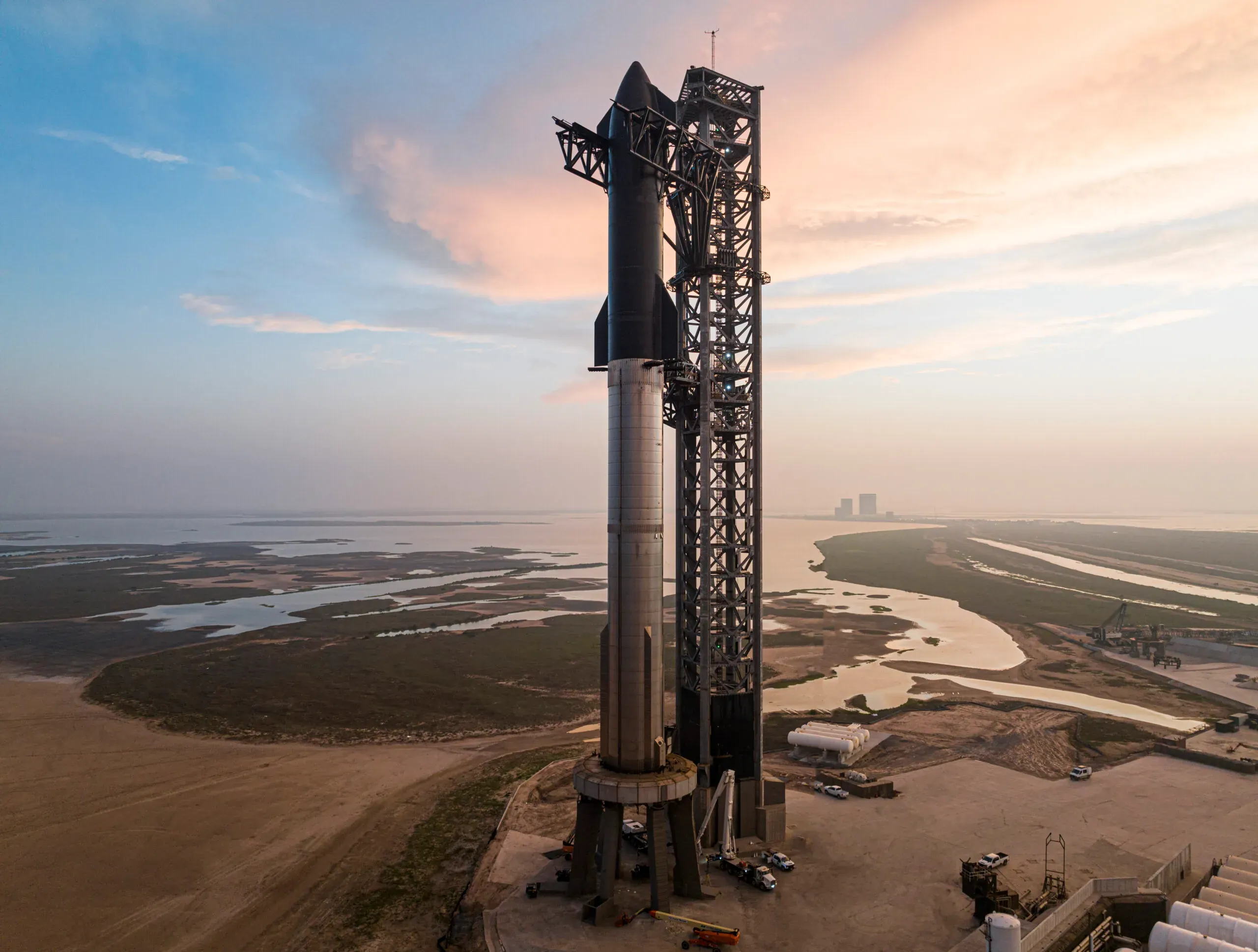
SpaceX is advancing the largest initial public offering in global history. The aerospace manufacturer plans to list on the Nasdaq under the ticker symbol SPCX on June 12, offering 555.6 million shares priced at $135 each. The highly anticipated stock float is designed to raise $75 billion, establishing a baseline corporate valuation of $1.75 trillion.
The historic public market debut follows the company’s February amalgamation with Elon Musk’s artificial intelligence startup xAI, physically integrating advanced AI infrastructure with Starlink’s orbital network. By floating less than 5% of its total equity, SpaceX aims to inject heavy liquidity into its launch operations without surrendering institutional control.
The offering structure mirrors Rivian’s 2021 listing as an all-primary float. All $75 billion in proceeds will flow directly onto the SpaceX balance sheet, rather than allowing existing private shareholders to cash out. Musk himself is bound by a strict 366-day lockup period on his personal 40% stake, while other early investors face staggered lockup windows tied to post-IPO quarterly earnings announcements.
Retail anticipation for the offering has already triggered heavy capital inflows across the broader aerospace sector. Proxy space stocks like Redwire have surged 220% year-to-date as investors hunt for adjacent market exposure ahead of the listing. Competitors like Rocket Lab and Momentus have also recorded sharp trading spikes this week.
Despite its dominant market position, SpaceX remains a highly capital-intensive operation. According to the company’s S-1 prospectus, the firm generated $18.67 billion in top-line revenue throughout 2025, driven overwhelmingly by consumer and enterprise Starlink subscriptions. Heavy reinvestment into the Starship program and xAI data centers resulted in a net loss of $4.94 billion. Goldman Sachs, Morgan Stanley, BofA Securities, Citigroup, and J.P. Morgan are serving as the joint book-running managers for the deal.
How the $1.75 Trillion Valuation Restructures the Nasdaq Heavyweights
At $1.75 trillion, SpaceX bypasses the traditional growth curve to debut directly among the most capitalized companies in the United States. The listing immediately places SPCX right behind legacy tech giants like Apple, Microsoft, and Nvidia in index weighting. This sudden injection of a trillion-dollar asset forces institutional portfolio managers to aggressively rebalance their holdings to match benchmark indices, effectively draining capital from smaller-cap tech stocks to fund mandatory SpaceX allocations.
The sheer scale of the $75 billion capital raise completely shatters the previous global IPO record set by Saudi Aramco. By vertically integrating xAI prior to the float, Musk successfully pivoted the company’s narrative from a pure-play industrial rocket manufacturer into a dual-threat space and artificial intelligence infrastructure provider. This dual classification justifies the premium multiple and permanently resets the financial barrier to entry for any competing commercial space firm seeking public capital.