
Justice, though notoriously slow, sometimes arrives with a thunderclap. For one South Korean woman, it took 61 long years to finally hear the words she had desperately sought. Choi Mal-ja, now 79, was recently acquitted of a crime she committed as an 18-year-old: severely injuring a man. Her “crime” was biting off a portion of her attacker’s tongue while defending herself from attempted rape.
Back in 1963, Ms. Choi faced ten months in prison for her act of self-preservation. The man, then 21, received a lighter six-month sentence for his injury. He was never even charged for attempted rape. The court at the time claimed her actions went beyond “reasonable self-defense.” This ruling turned the victim into the accused.
Court records show the attacker pinned Ms. Choi to the ground in Gimhae. She only managed to escape after biting off about 1.5 centimeters of his tongue. News reports also revealed that the man continued to demand damages from her. He even broke into her home with a knife at one point.
But Ms. Choi never gave up her fight. Years turned into decades. Then, in 2018, spurred by the global #MeToo movement, she began collecting evidence. She filed a request to reopen her case. Lower courts repeatedly denied her, but the Supreme Court finally agreed to review her appeal late last year. This paved the way for the recent trial that brought her long-awaited vindication.
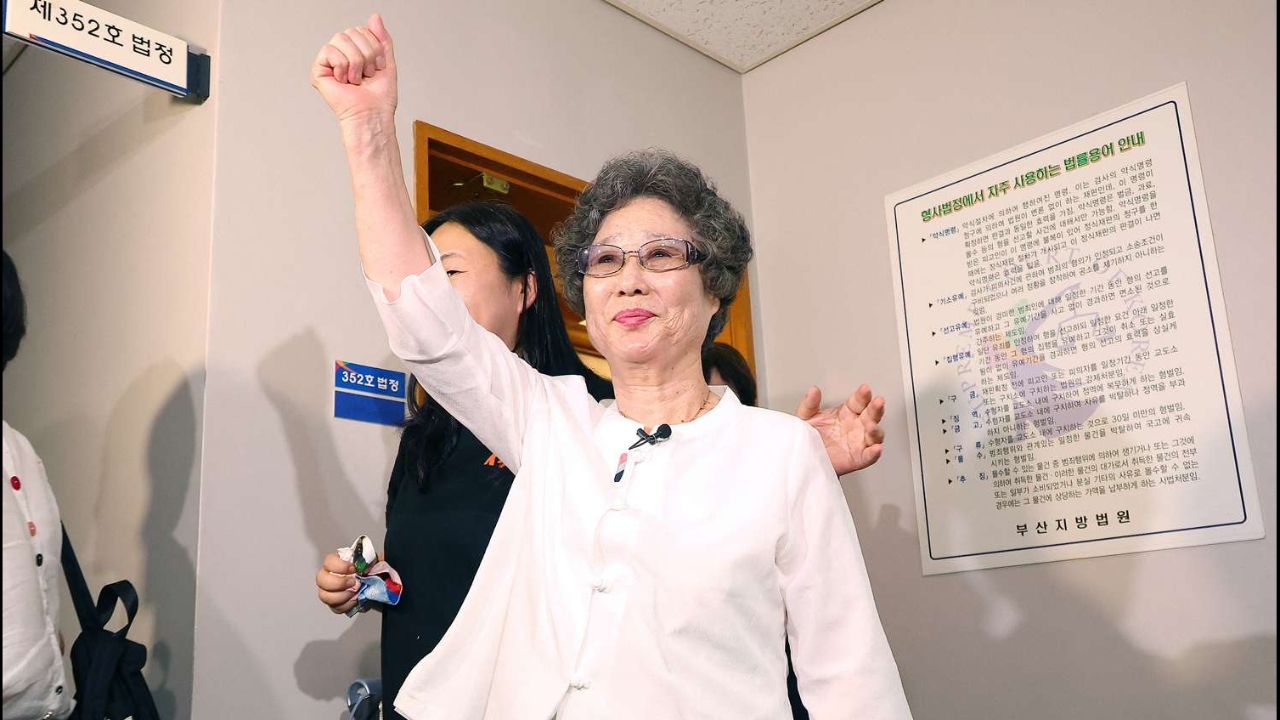
During her new trial, something very unusual happened. The prosecutor actually apologized to Ms. Choi in court. They asked the judges to acquit her, a rare occurrence. The court then agreed, clearing her name after more than six decades.
After the verdict, Ms. Choi spoke with quiet strength. “I couldn’t let this case go,” she said. “I wanted to stand up for other victims who faced the same fate.” She thanked her supporters for their help. She also strongly criticized past authorities for “abusing power to trample the weak and twist the law.”
Ms. Choi’s case has long been a distressing example cited in law books. It highlighted how courts often failed to accept self-defense in situations of sexual violence. Her lawyers explained that the original judgment was deeply flawed. It came from “misguided judgments born of gender bias and societal attitudes.” Her relentless fight finally gave the justice system a chance to correct this old, painful mistake.
Women’s rights organizations believe this ruling is a major step forward. They hope it will pave the way for justice for other victims of sexual violence. It sends a powerful message that “a woman’s act of self-defense is right.”
Source: BBC