
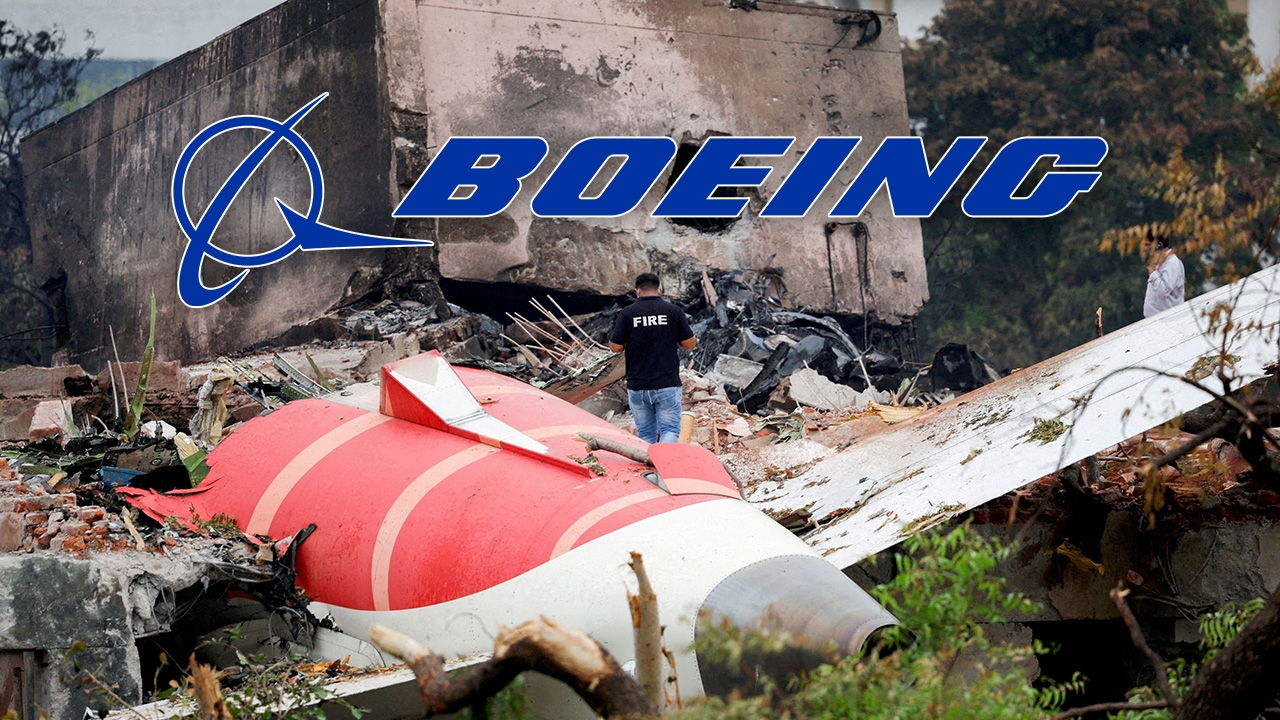
A recent directive from South Korea’s Ministry of Transport aims to bolster aviation safety. The ministry has instructed all domestic airlines operating Boeing aircraft to inspect their fuel switch lock systems. This move comes after a devastating Air India Boeing 787-8 crash last month, which tragically claimed 260 lives.
The South Korean order aligns with a safety recommendation issued by the U.S. Federal Aviation Administration (FAA) back in 2018. This older recommendation was recently cited in the preliminary report of the Air India accident. While a spokesperson for South Korea’s Ministry of Transport confirmed these inspections are underway, they did not give a clear timeline for when the checks must be finished.
Boeing, the aircraft manufacturer, has declined to comment on the matter. They instead referred inquiries to the FAA. Reuters reached out to the FAA for their perspective, but has not yet received a response. Interestingly, a Sunday report from Reuters, citing unnamed sources and internal documents, indicated that both Boeing and the FAA had privately told airlines that these fuel switch lock systems are still considered safe. They reportedly felt no extra checks were needed.
Air India, for its part, has already begun looking into the fuel switch lock mechanisms on its own Boeing 787 and 737 fleets. Inspections started over the weekend. So far, the airline has not found any issues. Roughly half of its 787 planes and nearly all of its 737 aircraft have been checked. Air India expects to finish these internal reviews within a day or two.
The preliminary report on the Air India crash pointed to a critical detail. The fuel switch on the crashed plane moved from the “Run” position to “Cut off” almost immediately after takeoff. Investigators are still working to understand how this switch changed positions during flight, as it remains a key unanswered question.
Other nations are watching this situation closely. Japan Airlines stated that safety is their top priority. They are following the ongoing investigation in India very carefully. The airline said it stands ready to conduct additional checks on its planes if the findings suggest it is necessary. In Singapore, Channel NewsAsia (CNA) has asked the Civil Aviation Authority of Singapore, along with Singapore Airlines and Scoot, if they plan similar inspections.
It’s worth remembering that the FAA’s 2018 advice for Boeing planes, including the 787, was just a recommendation. It suggested airlines check these fuel switch lock mechanisms to prevent accidental changes. However, this advice was not a mandatory rule. The preliminary Air India crash report noted the airline did not follow this particular FAA recommendation because it wasn’t required by law.
Maintenance records for the crashed Air India plane show that its throttle control module, which includes the fuel switch, had been replaced in 2019 and again in 2023. These replacements were part of routine maintenance scheduled every 24,000 flight hours, not because of any specific problem with this one aircraft. Campbell Wilson, the CEO of Air India, has urged caution. He reminded everyone that the investigation is still in its early stages. He also warned against jumping to conclusions until all facts from the full inquiry are clear.
Source: channelnewsasia