
The global AI boom is officially messing with the hobbyist hardware market. Fab capacities are stretched to the limit building enterprise servers, triggering a full-blown memory shortage that is driving up the cost of everyday consumer electronics. Single-board computers used to be the cheap, cheerful backbone of DIY projects. But the economics of tinkering just broke.
In a detailed hardware breakdown for XDA Developers, tech reviewer Ayush Pande outlined a radical shift away from the Raspberry Pi ecosystem. The reason for the jump? Three separate price hikes since December 2025. The 16GB Raspberry Pi 5 originally launched at $120. Following a fresh April 2026 price revision, that exact same board now retails for $205. That 83 percent markup has home automation enthusiasts rethinking everything and migrating to five-dollar microcontrollers.
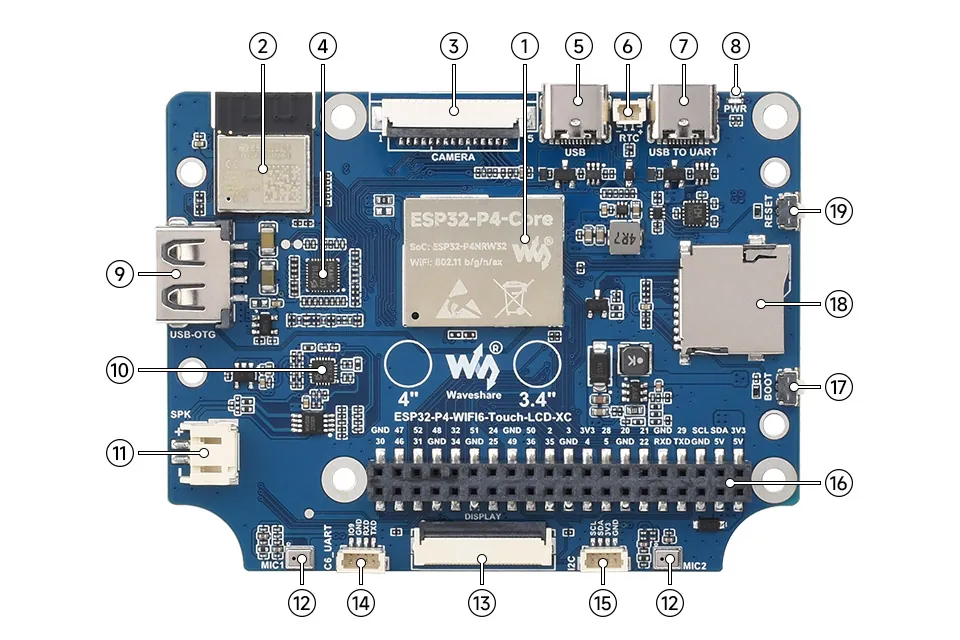
Running an entire smart home off a single microSD card is a recipe for a weekend headache. Pande previously relied on a lone Raspberry Pi 4 to juggle Home Assistant, a Zigbee dongle, and custom automation scripts. When a software update or a prolonged reboot knocked that single board offline, the entire house went dark. To fix this single point of failure, Pande decentralized the network using cheap ESP32 boards to handle specific proxy tasks and sensor arrays. The result? The smart home actually runs significantly better now.
The price hikes aren’t a corporate cash grab; they are survival tactics in a broken supply chain. On April 1, 2026, Raspberry Pi CEO Eben Upton formally addressed the skyrocketing costs. He confirmed a seven-fold increase over the past year in the price of LPDDR4 DRAM, forcing memory-driven price increases across all variants with 4GB or more of RAM. To offer a sub-$100 workaround, the company even launched an awkward 3GB Raspberry Pi 4 for $83.75.
The x86 Home Lab Migration
The hardware community is actively splitting into two camps as fully kitted Pi 5 setups easily push past the $300 threshold. For lightweight embedded sensor tasks, builders are snapping up ESP32 and RP2350 chips. But for heavier Home Assistant and server workloads, users are completely abandoning the ARM architecture.
Instead, home lab enthusiasts are adopting x86 mini PCs powered by cheap Intel N100 and N150 processors. These tiny desktop units often cost less than a scalped Pi 5 and come with built-in storage, cooling, and power supplies straight out of the box.