
Shopee, a major player in online retail, is rolling out a new shipping rule that’s got online store owners talking. Starting September 1, 2025, if a customer pays for an order before noon, the store must ship it on the very same day. This update has caused quite a stir among sellers. Many are wondering if Shopee is going too far to please buyers, potentially squeezing the businesses that use its platform. It’s a bold move in the ongoing race for speedy deliveries.
The new policy is part of Shopee’s plan to make its delivery services faster. The company aims to boost delivery speed, especially for items that are already in stock and ready to go. The core of this change lies in how quickly stores need to get their packages processed and shipped out.

Shopee’s Updated Delivery Timelines
Previously, Shopee allowed sellers until the next day to prepare and ship an order. This was known as the Day to Ship (DTS) period. Now, for “ready-to-ship” orders paid by 12:00 PM, sellers must ship them within the same day. Sundays and public holidays are not included in this same-day rule. If a customer places and pays for an order after 12:00 PM, the standard next-day shipping rule still applies, giving sellers a bit more time.
Shopee also adjusted the acceptable rate for late shipments. Sellers can now have up to 15% of their total orders shipped late over a seven-day period. This is a slight increase from the previous 10% limit. There is an exception for large or bulky items that use “Standard Delivery Bulky.” These types of shipments still have a one-day preparation and delivery window. Importantly, if delays happen because a Shopee-approved shipping company picks up items late, and it’s not the seller’s fault, sellers can submit an appeal to Shopee.
Tips to Avoid Order Cancellations
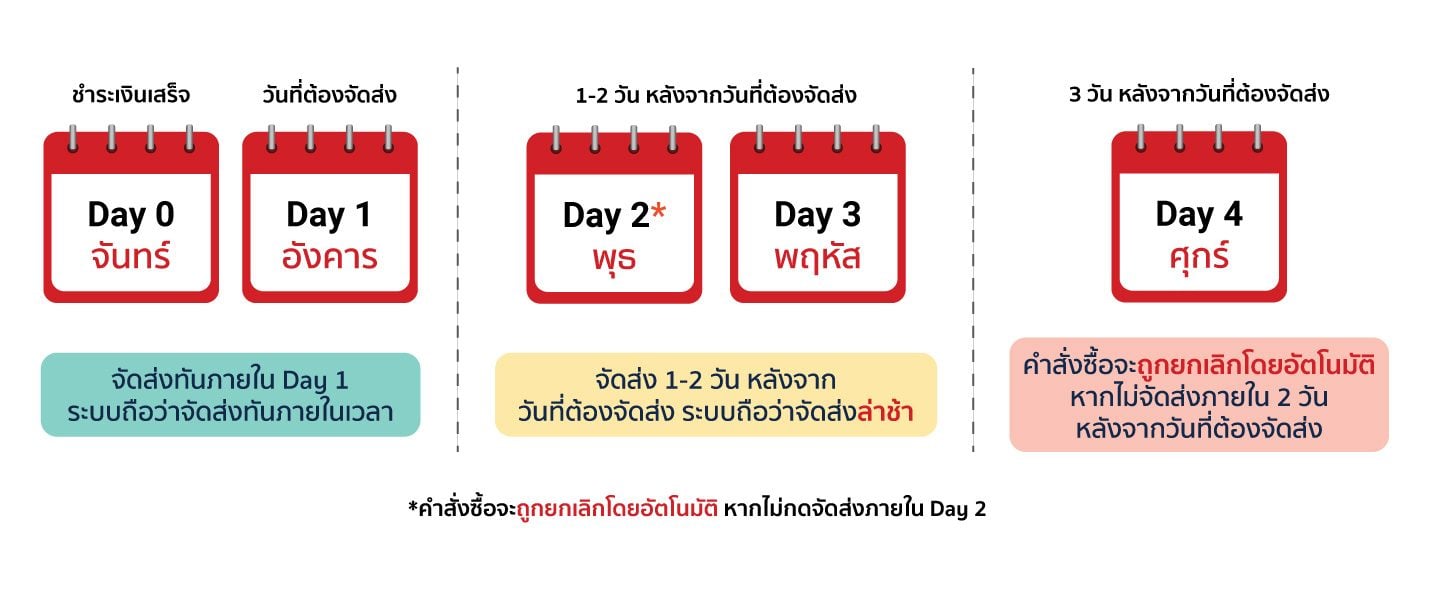
Nobody wants a canceled order, least of all a seller. To help stores avoid automatic order cancellations, Shopee has offered some simple advice. First, stores should get orders ready for shipping as quickly as possible. Second, they need to hand over or schedule pickup for packages with their chosen shipping company within the set time. It’s a tight deadline: if an order isn’t shipped within two days after its required shipping date, Shopee’s system will automatically cancel it.
Shopee has clear timing guidelines to keep its service reliable and ensure buyers have a good experience. If a store doesn’t meet these deadlines, an order could be marked as “late” or even be automatically canceled. The countdown starts right after a customer successfully pays for an order.
Here is how Shopee categorizes shipping times after payment:
- Group 1: Orders shipped on the same day or the next day (within one day). These shipments are considered on time and will not cause any issues.
- Group 2: Orders shipped one to two days after the required ship date. These are classified as late shipments.
- Group 3: Orders shipped more than two days after the required ship date. These orders will be automatically canceled by the system.
Is This New Rule Truly for Customers?
Shopee says the main reason for this new rule is to make shopping better for customers. They believe that getting items the same day or the very next day will make buyers happier. This, in turn, should encourage them to buy more often. It’s true that modern shoppers expect fast delivery and quick updates on their orders. This level of speed and convenience has become standard in online shopping.
However, even as Shopee promotes this as a win for consumers, a big question remains. Is this new policy putting too much strain on the very sellers who make the platform work? It feels like a balancing act between buyer desires and seller capabilities.
The Mounting Pressure on Sellers
This new policy significantly affects all types of online stores, both large and small. The tighter deadlines for preparing and shipping orders, sometimes within a few hours, create major stress. For smaller businesses, especially those with limited staff, getting products packed and sent out on time becomes a huge burden. They often lack the extra people or resources to handle such demands.
Many sellers are also seeing their costs go up. Things like packaging supplies, shipping fees, and even the need to hire more staff to keep up, all add to their business expenses. Shopee hasn’t provided much in terms of financial support to help with these increased costs. Instead, the platform continues to raise the fees it charges its sellers.
The Uneven Playing Field
Making shipping faster might seem like a good way for Shopee to improve its service. But it often just pushes the workload onto the sellers. They have to deal with many orders in a very short time and can’t refuse them. If stores don’t follow these strict rules, they could face penalties, such as lower seller ratings or reduced visibility for their products on the platform.
Shopee, on the other hand, stands to gain the most from these changes. The company gets to promote itself as having “fast delivery and excellent service.” But the real cost of this speed isn’t coming from Shopee’s own investments. Instead, it’s being borne by the sellers and the delivery workers who move the packages.
In summary, while Shopee’s new policy appears to be “for consumers,” it largely shifts all the operational burden to its sellers and the shipping network. The platform benefits from an improved public image and increased revenue. Without better support, such as lower fees, financial help for stores, or more flexible service agreements, many small sellers might not be able to compete. Even larger stores might find it harder to operate and will need to make big changes. This situation could eventually force many sellers to leave the platform altogether.