
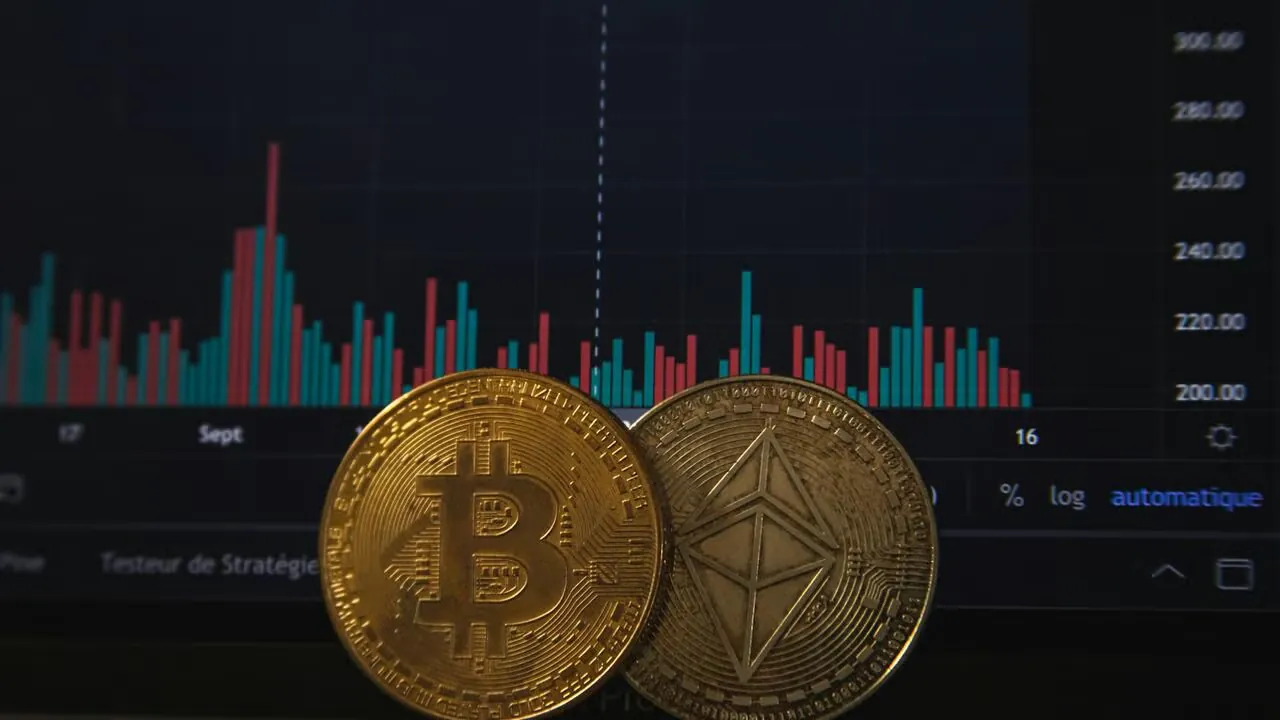
Cryptocurrency markets are confronting severe technical resistance as institutional and retail sell pressure compounds across major digital assets. Shiba Inu (SHIB) experienced a sharp technical rejection at its 100-day Exponential Moving Average (EMA), trapping the asset in a descending structure and marking its most significant trend denial since September 2025. Simultaneously, Bitcoin (BTC) is trading cautiously around the $73,850 mark, dropping into heavily oversold territory as buyers hesitate to enter the market.
Market analysts highlight that Bitcoin’s immediate trajectory depends entirely on holding its current support level. The flagship cryptocurrency is testing its 26-day EMA, a critical short-term lifeline required to absorb ongoing selling pressure, according to a comprehensive market review published by U.Today. If this floor breaks, algorithms and high-frequency traders could force a steeper correction across the broader altcoin sector.
Despite Shiba Inu’s failure to break its downward structure, underlying blockchain data reveals a sudden shift in holder behavior. Over the past 24 hours, investors moved 164 billion SHIB tokens out of centralized cryptocurrency exchanges. This negative net flow suggests that large holders are prioritizing capital preservation and self-custody, even as the asset tests a highly vulnerable support floor of $0.0000055.
What the 100-Day EMA Rejection Means for Meme Coin Liquidity
The structural failure of Shiba Inu at the 100-day EMA creates a complex liquidity scenario for retail-heavy tokens. Because this marks the most rigid trend denial the asset has faced since September 2025, algorithmic trading bots are highly likely to treat any short-term upward movement as a short-selling opportunity. The established descending structure mathematically discourages institutional accumulation in the near term.
However, the rapid withdrawal of 164 billion tokens from trading platforms counteracts this bearish momentum by reducing immediate sell-side liquidity. When large volumes of an asset are transferred to cold storage or personal wallets, exchanges lack the depth required to execute large sell orders without causing severe price slippage. This standoff between poor technical indicators and protective holder behavior leaves retail investors exposed to heightened volatility if Bitcoin fails to maintain its own 26-day moving average.