
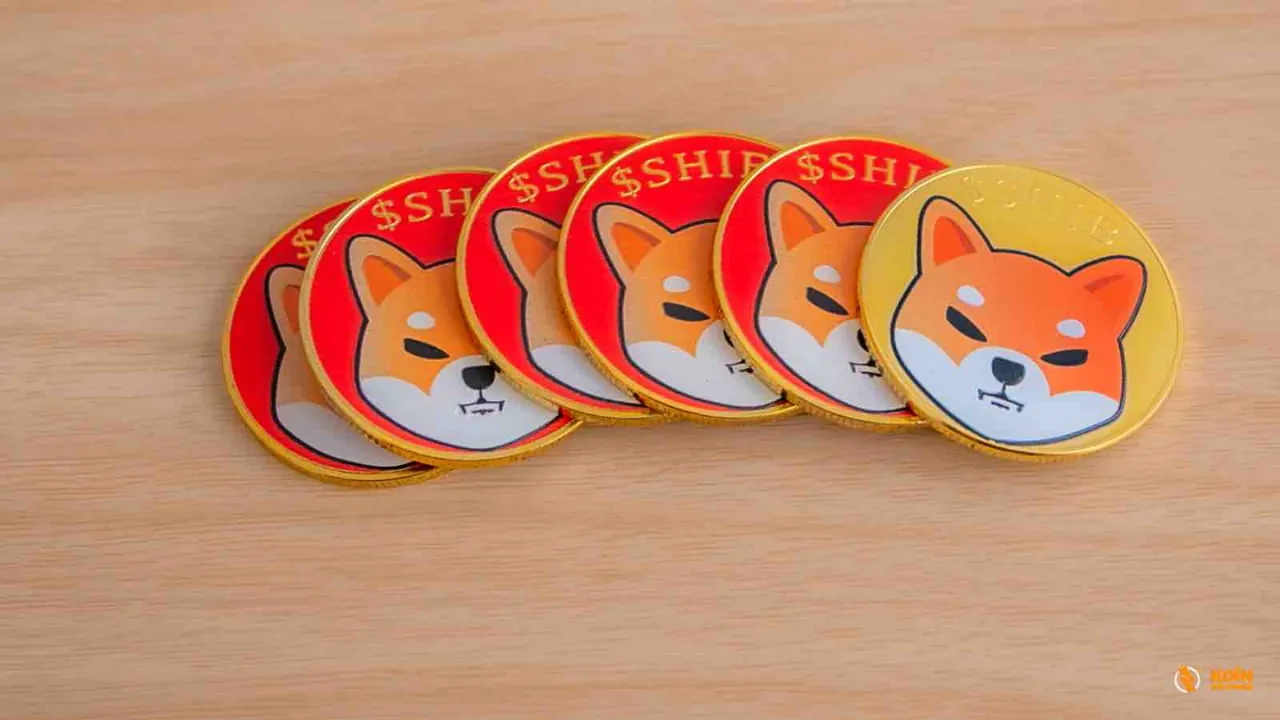
Retail investors are still holding out hope for a repeat. But the underlying tokenomics tell a completely different story. Shiba Inu currently trades at $0.00000446, according to July 2026 market data. Hitting the coveted $1 mark is no longer a matter of market momentum. It is blocked by fundamental arithmetic.
If the token reached one dollar, its valuation would instantly hit $589 trillion. For context? That figure exceeds the combined value of Bitcoin, Ethereum, the entire global equity market, and total global GDP. The sheer volume of tokens in circulation creates an impassable mathematical ceiling.
The fixation on a one-dollar price stems directly from 2021. During that historic crypto bull run, the asset posted a 45,278,000% gain. That specific wealth-generation event fueled the current retail thesis, leading thousands of buyers to hold out for a secondary surge.
To bypass the supply barrier, the community relies heavily on token burns. Users send assets to dead wallets to permanently remove them from circulation. The problem is the scale of the required reduction. Over 99.99% of the supply would need to vanish.
Analysts reviewing the circulating supply math calculate that the network currently destroys roughly 2 billion tokens annually. At that rate, the process would take over 280,000 years to meaningfully shift the price to one dollar.
Why the 280,000-Year Burn Cycle Traps Retail Investors
The mathematical ceiling on SHIB exposes a broader structural limit within algorithmic meme-coin markets. Retail buyers anchor their expectations to the 2021 performance without adjusting for the current 589.24 trillion circulating supply.
The strategy of burning tokens works for smaller protocols. But scaling that mechanism to hundreds of trillions of units requires institutional capital. That capital is currently flowing into utility-driven networks and Bitcoin exchange-traded funds, leaving meme assets entirely dependent on retail liquidity.
The math is final. A 280,000-year burn runway guarantees that the asset will never reach $1 under its current architecture.