
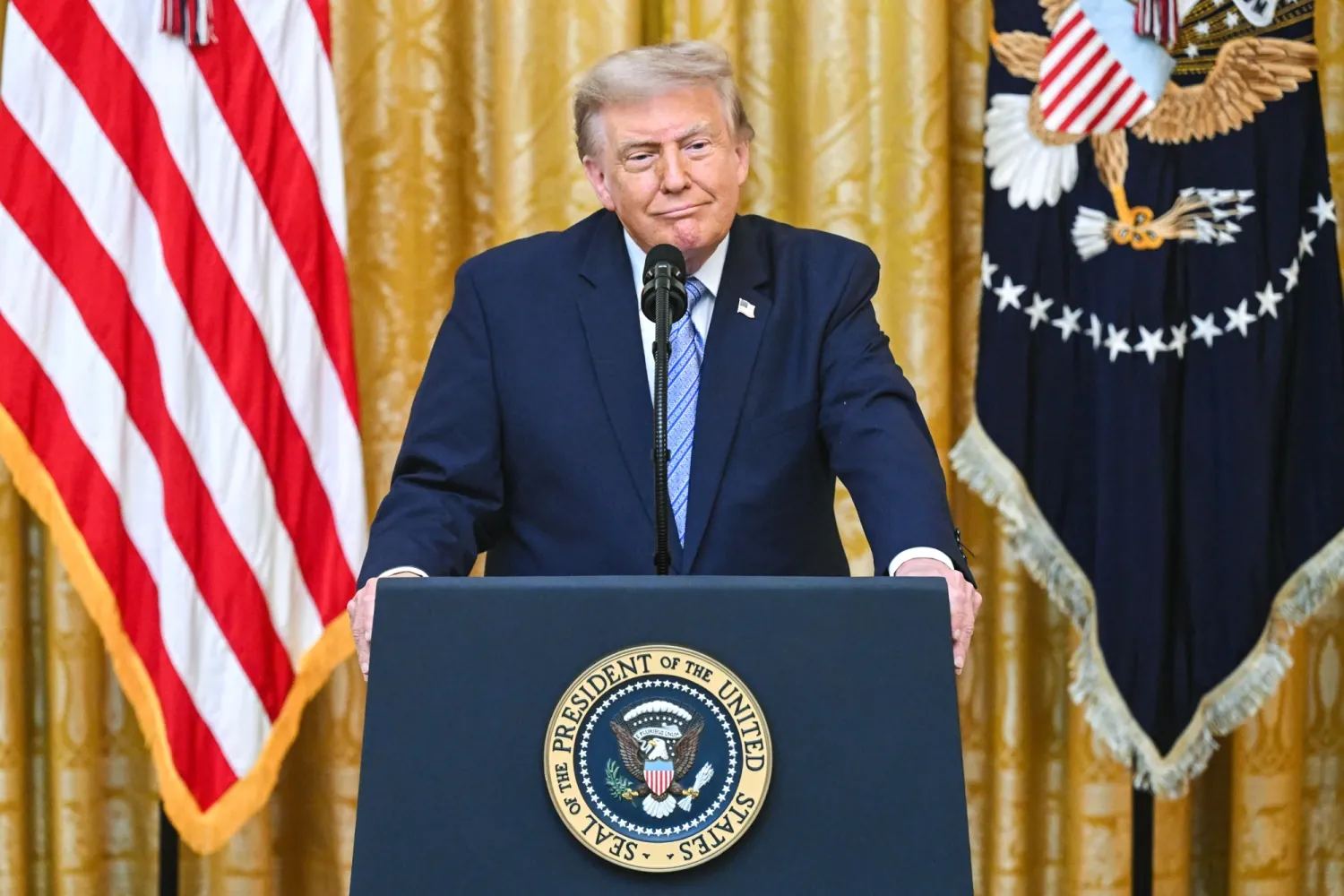
On Wednesday, U.S. Senate Republicans released a highly anticipated new draft of the Crypto CLARITY Act. The updated legislation introduces a strict ethics provision that bans sitting presidents and federal officials from issuing or sponsoring digital assets. This directly targets President Donald Trump’s recent financial involvements, including his World Liberty Financial project and TRUMP tokens.
The Senate is racing against a 15-day countdown to pass the bill before departing for their summer recess. Democrats have consistently demanded robust safeguards to ensure the executive branch cannot personally profit from the industry it regulates. Trump reportedly earned $1.4 billion from crypto ventures in 2025 alone.
Following the release of the restrictive new draft, betting odds for the bill’s successful passage plummeted to 39% on Polymarket. The legislation represents the most consequential U.S. market structure effort since the GENIUS Act passed last July. It permanently delineates federal regulatory authority by granting the CFTC exclusive jurisdiction over decentralized assets, while the SEC retains oversight of tokens classified as securities.
If the Senate fails to secure 60 votes to overcome a filibuster before August, political analysts expect the effort to be delayed until 2027. That delay would likely sustain the institutional market hesitation that triggered major Bitcoin ETF outflows in June.
The Fight Over Regulatory Jurisdiction
The core of the CLARITY Act is the jurisdictional split. The CFTC will handle digital commodities, which covers decentralized networks like Bitcoin. The SEC will manage investment contract assets. This framework aims to stop companies from facing contradictory rules from two separate enforcement agencies.
The new ethics clause complicates the path forward. By explicitly restricting the President’s personal token ventures, Republicans are attempting to secure bipartisan support from skeptical Democrats. If the bill dies in the Senate this session, the crypto industry faces another year of regulatory ambiguity.