
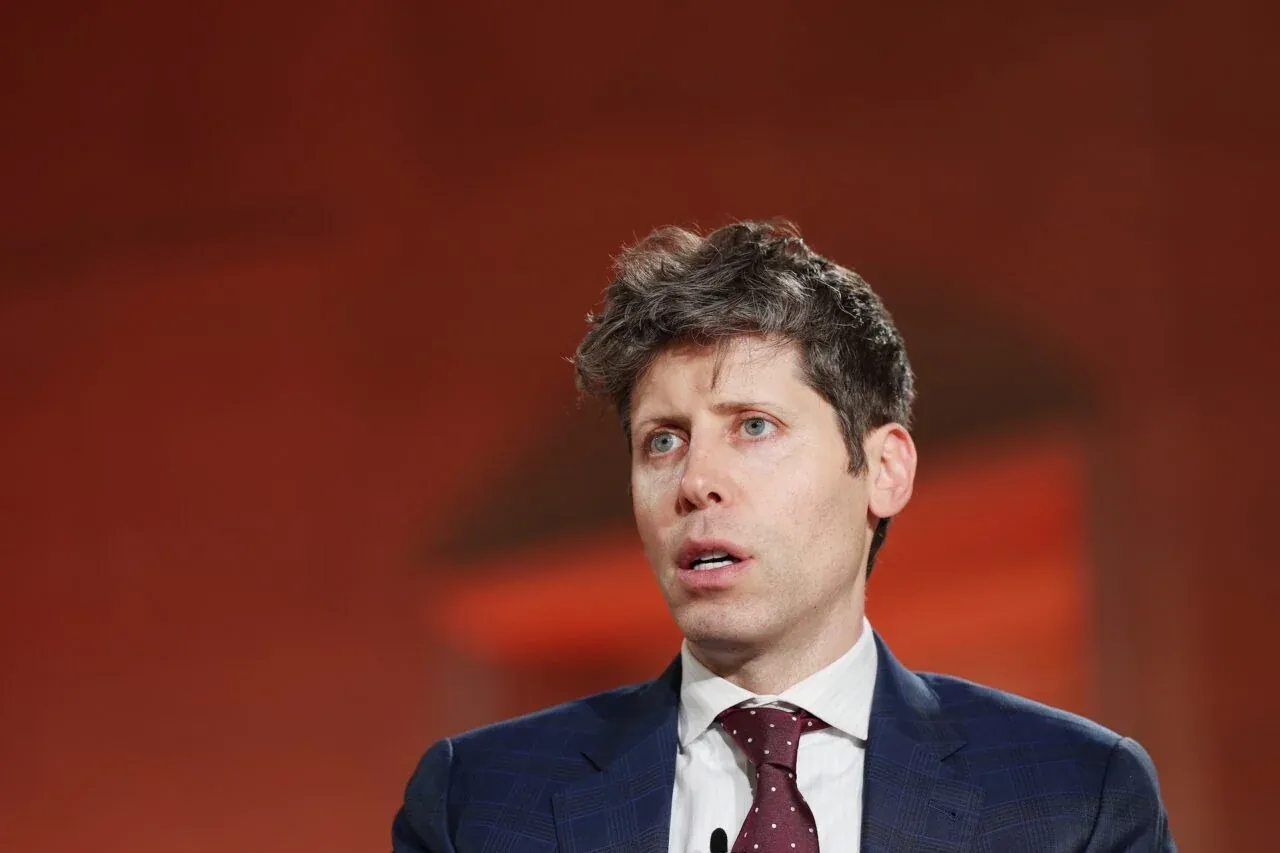
The leadership of OpenAI CEO Sam Altman is facing its most severe test to date. A high-stakes $150 billion legal battle with Elon Musk has triggered a massive wave of internal leaks and public hostility. This corporate war is happening as the global AI industry grapples with an ethics crisis that has now spilled into physical violence and damning courtroom testimonies.
Industry trust in Altman hit a new low this week. Reports surfaced that online commenters are celebrating an arson attack on Altman’s San Francisco home. On April 10, 2026, 20-year-old Daniel Moreno-Gama allegedly targeted the residence with a Molotov cocktail. Some observers are now comparing the suspect to anti-corporate revolutionaries, mirroring the public reaction to the 2024 UnitedHealthcare CEO shooting. This shift highlights a growing divide between the Silicon Valley elite and a public increasingly wary of technology giants.
Damning testimonies from former OpenAI insiders
The legal pressure intensified on May 12 and 13, 2026, during the ongoing lawsuit filed by Elon Musk. Former allies of Altman took the stand to deliver blistering accounts of his management style. Ilya Sutskever, the former Chief Scientist, confirmed the contents of a 2023 memo. In that document, he accused Altman of a “consistent pattern of lying” to the board and staff. This testimony directly links back to the brief 2023 coup where Altman was temporarily removed from his post.
Former CTO Mira Murati added to the fire during her time on the witness stand. She told the jury that Altman was “creating chaos” and frequently gave conflicting information to different people within the company. These statements were a centerpiece of the testimony from former board members and executives that the jury heard this week. The testimonies suggest that the internal friction at OpenAI was far more toxic than previously reported.
Altman defends OpenAI’s for-profit pivot
Altman sat in the witness box on May 12, 2026, to defend his reputation. He described himself as an “honest and trustworthy businessperson.” He pushed back against Musk’s claims that OpenAI abandoned its non-profit mission for greed. Altman claimed Musk tried to destroy the company several times after his own attempts to take control failed. He also alleged that Musk wanted to turn OpenAI into a family-run business, aiming to pass control of artificial general intelligence to his children.
OpenAI is currently valued at $852 billion. The trial is exposing how the shift from a non-profit to a for-profit powerhouse created deep scars. Former board members have testified that they felt manipulated during the transition. While Altman remains in power, the trial has turned into a public relations disaster that could impact future investment rounds and employee retention.
How the Altman Integrity Trial Threatens OpenAI’s $852 Billion Valuation
The ongoing legal drama does more than just damage Altman’s personal brand; it creates a massive “key person risk” for OpenAI. Investors typically value startups based on the stability of their leadership. When two of the most critical technical minds in AI history—Sutskever and Murati—formally testify that a CEO is dishonest, it complicates the company’s path to an IPO. This is the first time in Silicon Valley history that a founder’s character has been litigated so aggressively while their company is at the peak of its market power.
OpenAI now faces a paradigm shift. The company can no longer claim the moral high ground of a mission-driven non-profit while its former leaders describe its operations as chaotic and deceptive. Competitors like Anthropic and xAI are likely to use this trust deficit to poach talent who are tired of the internal drama. If Altman cannot repair his relationship with the developer community, the $852 billion valuation may start to look like a house of cards built on shaky leadership foundations.