
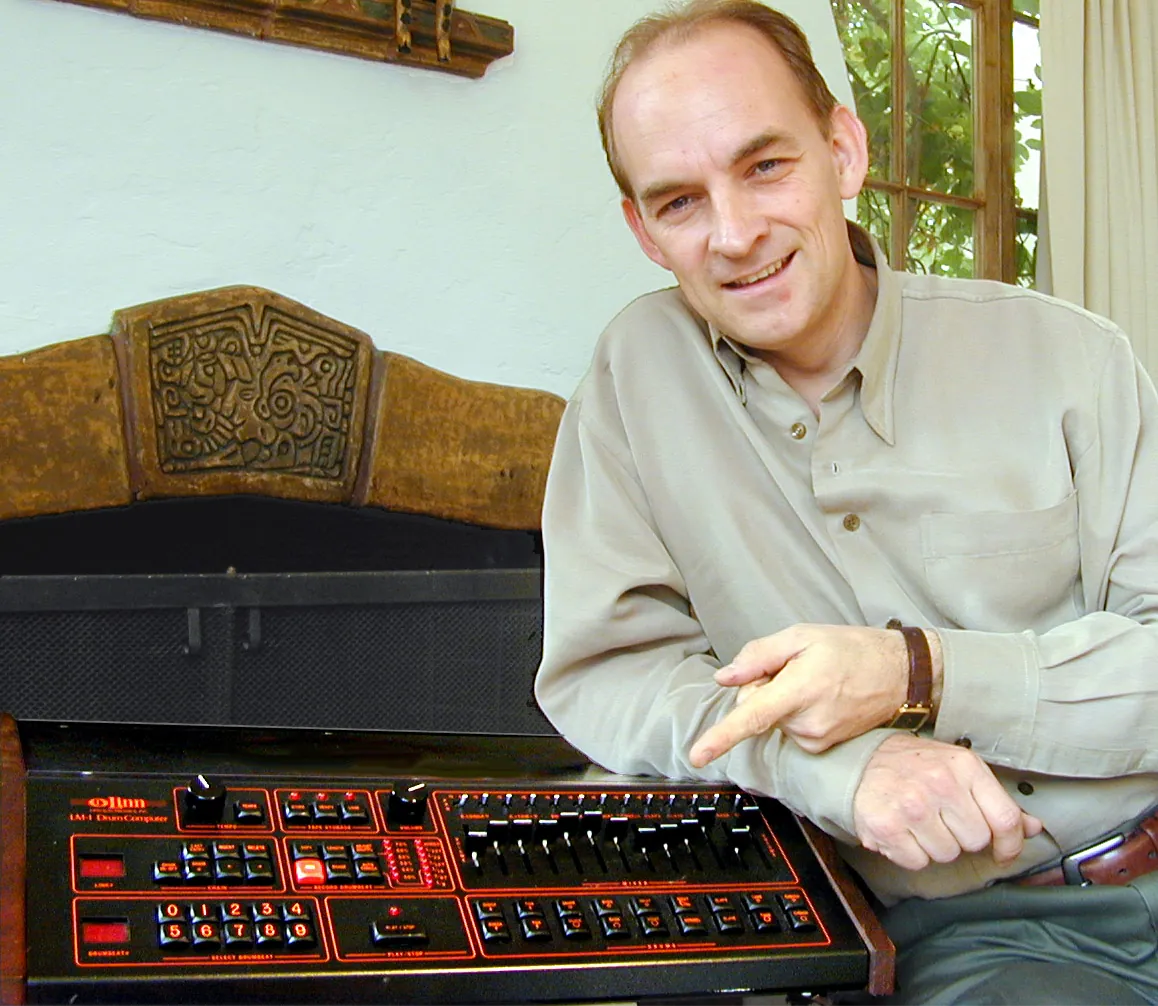
Electronic music pioneer Roger Linn has a surprisingly simple method for beating digital distractions. The legendary designer behind some of the most influential music production tools in history revealed his personal strategy for maintaining deep focus while working on computers. Instead of juggling dozens of open windows, his secret is limiting his workspace to just one task at a time.
In a newly published questionnaire by The Verge, Linn detailed how he manages his daily digital workflow. He stated that he stays intensely focused by keeping only a “single browser tab” open. The approach forces a strict boundary against the endless multi-tasking that defines the modern computing experience.
The Simple Digital Habits of an Audio Pioneer
Linn did not just talk about web browsers during the interview. He also shared his broader, down-to-earth philosophy for staying grounded during long stretches of creative work. When things get overwhelming, his prescription involves taking “deep breaths, keep it simple, and maybe play a little VR mini golf” to reset his mind.
This minimalist perspective on technology contrasts sharply with the complex digital audio workstations that his early inventions helped create. By advocating for fewer open tabs and regular physical or virtual breaks, Linn suggests that modern software layouts often clutter the human mind rather than assist it.
From the LM-1 to the Modern MPC Layout
While his daily web browsing habits are remarkably light, Linn’s actual creations completely transformed how the world makes music. Decades ago, he designed the LM-1 Drum Computer, which became famous as the first programmable drum machine to use real digital acoustic samples. The machine became a signature sound for artists like Prince and Michael Jackson during the 1980s pop explosion.
Following that success, he collaborated with Akai to create the iconic MPC sampler series, an instrument that laid the foundation for early hip-hop and electronic music production. Because of this lasting impact, he received a Technical Grammy Award and earned a spot in the prestigious TECnology Hall of Fame back in 2011.
Linn continues to build innovative gear for musicians today, including expressive controllers like the LinnStrument. His legacy shows that the best design ideas often come from reducing a tool to its absolute essentials, a principle he clearly applies to his own computer screen. For a detailed look at his entire career trajectory, music fans can read his historical profile on Wikipedia.
How Roger Linn’s Single-Tab Philosophy Challenges Modern Software Bloat
Linn’s refusal to keep multiple tabs open offers an insightful critique of how modern consumer technology is engineered. Today, software companies design apps specifically to capture and hold user attention through infinite scrolling and constant notification pings. By enforcing a self-imposed single-tab rule, Linn highlights a growing need for intentional tech boundaries among creative professionals.
There is a direct connection here to how Linn built his classic drum machines. The original MPC series succeeded because it gave musicians a highly restricted set of choices, forcing them to rely on rhythm and tactile feel instead of endless menus. Modern music software offers thousands of options at once, which often leads to creative paralysis. Linn’s focus on simplicity serves as a reminder that restriction, rather than abundance, is often the ultimate catalyst for human innovation.