
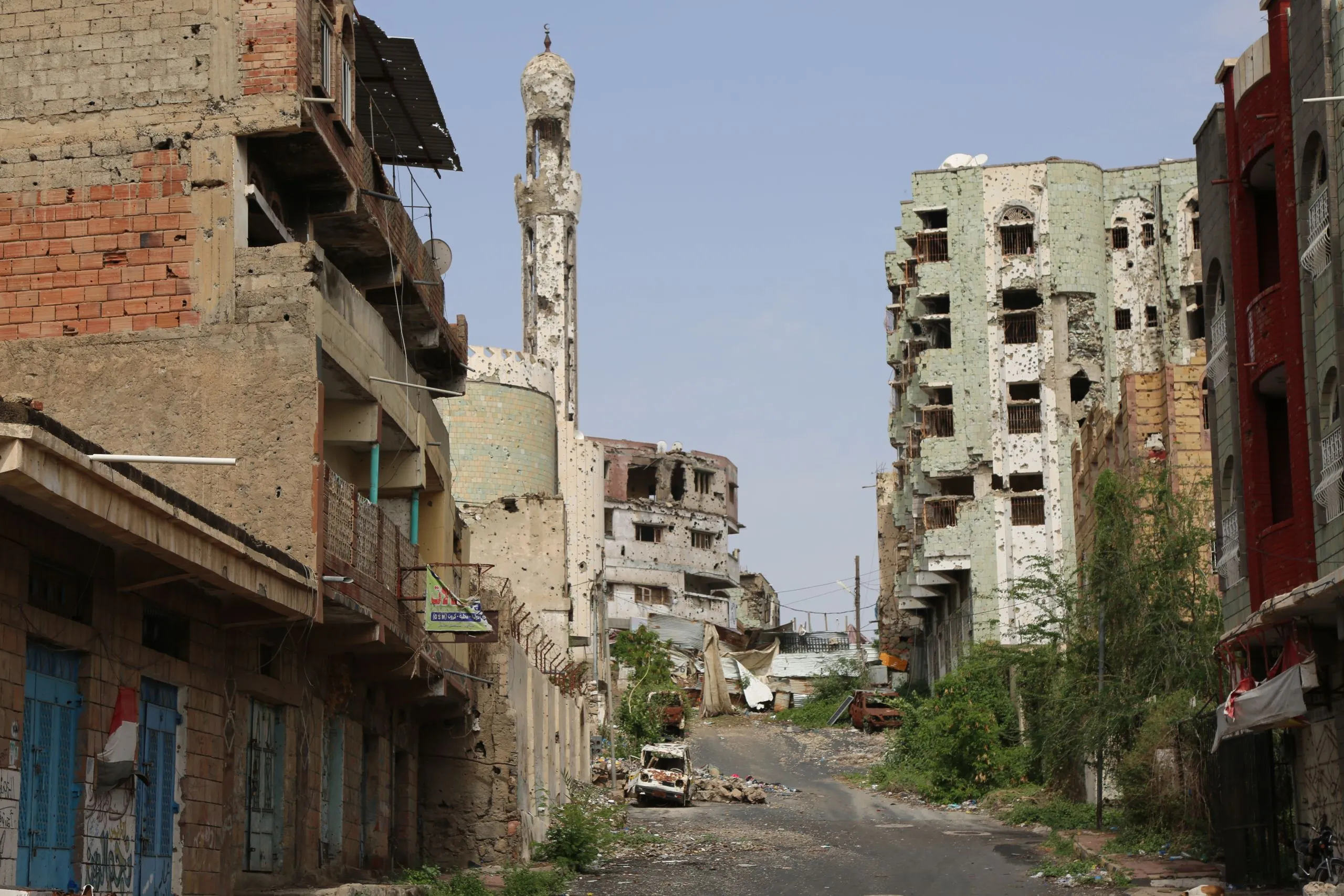
Driven by a decade of civil war and total economic collapse, displaced families in the Yemeni city of Taiz are relocating into active combat zones. Unable to afford surging urban rental prices, residents are returning to frontline neighborhoods situated directly between government forces and Houthi rebels.
Market rates for secure housing in the city center now hover around $130 per month. That pricing pushes safe shelter out of reach for a population drained of savings by a prolonged siege. Frontline alternatives cost as little as $13 a month. Some abandoned properties are even offered completely free, provided the new occupants agree to guard the homes.
Living in the Crosshairs
These economic migrations place civilians directly in the path of active military positions. A United Nations monitoring project reported that 66 percent of civilian sniper casualties in Yemen last year occurred in Taiz, according to recently compiled casualty data. Out of 21 recorded sniper incidents in the city, nine victims were children.
Families living in the crossfire adopt severe daily precautions just to survive. Parents routinely restrict children from playing in open spaces. Residents keep interior lights turned off in rooms visible from a distance.
The Structural Deficit
More than 10,000 homes in Taiz have sustained partial or complete damage during the fighting. The city has operated as a divided urban battleground since the war began, generating massive population evacuations around 2018. The prolonged conflict systematically devastated local infrastructure and the broader economy, leaving an estimated 4.8 million internally displaced people nationwide.
Humanitarian groups face a massive structural deficit in the region. Organizations like the Nahda Makers Organisation have managed to repair 2,389 homes across multiple governorates. The scale of destruction far outpaces current rehabilitation efforts, leaving impoverished families with few options but to risk the front lines.