
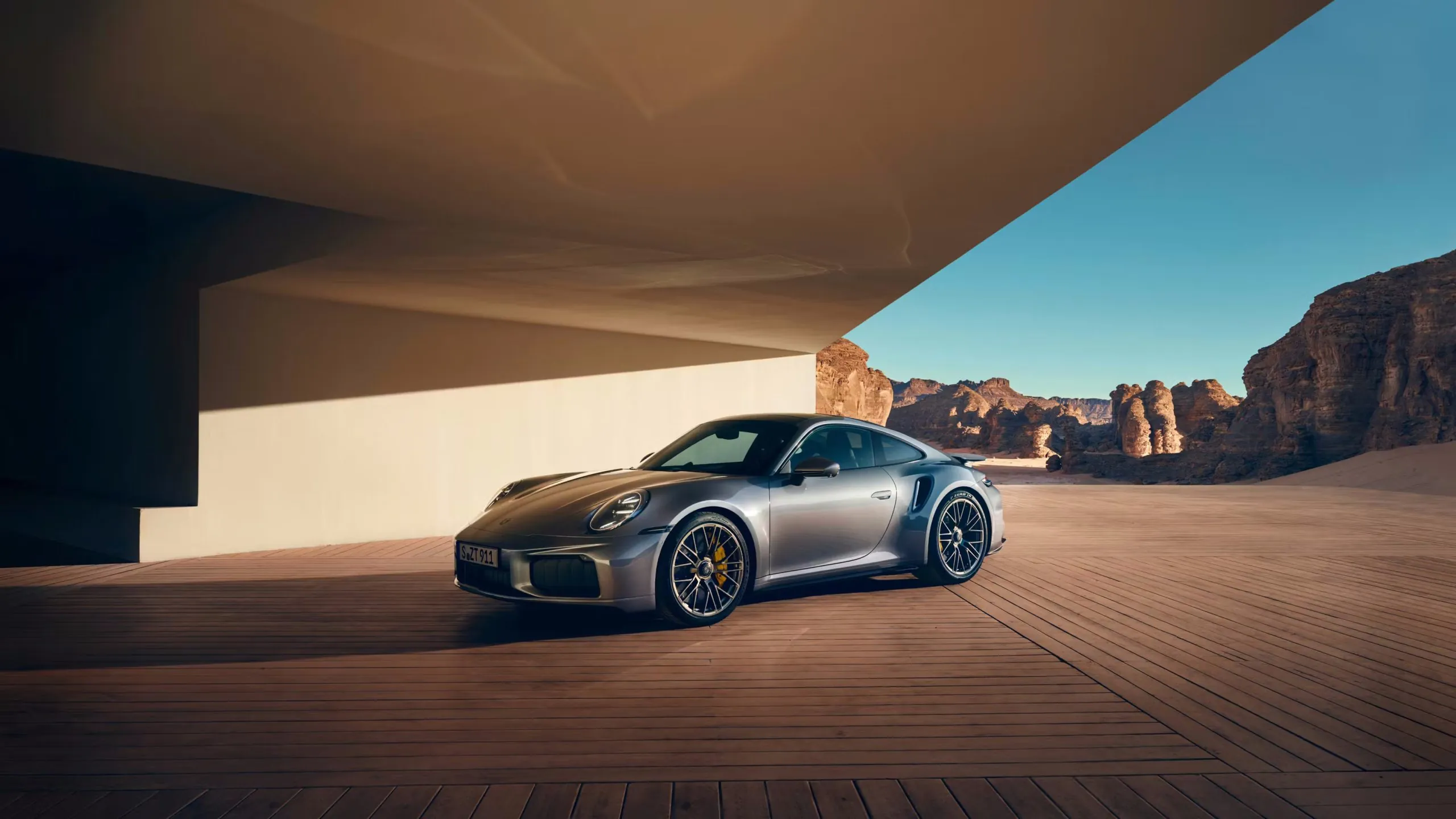
Porsche delivered 30,534 units of its flagship 911 sports car in the first half of the year, beating the all-electric Taycan by a margin of nearly five to one. Global deliveries for the Taycan plummeted 25% to just 6,219 units. The steep drop in electric vehicle demand coincides with parent company Volkswagen Group announcing radical restructuring plans to gut its lineup by up to half of its models and slash annual production capacity by one million units.
The Stuttgart-based manufacturer shipped 122,306 vehicles globally through June, marking a 16% drop from the prior year. According to the official delivery data, the Cayenne remained the volume leader with 38,141 units, though it also slipped 9%. But the core performance metric lies in the divergence between combustion and electric power. The 911 recorded a 19% sales increase. Buyers favored the GTS, Turbo, and GT variants. Meanwhile, the electric Taycan and battery-powered Macan faced severe headwinds. The expiration of U.S. tax incentives for electric and hybrid vehicles directly stalled North American adoption rates.
And bureaucratic red tape is fundamentally altering the entry-level lineup. European cybersecurity regulations forced the premature retirement of the combustion-engined 718 Boxster and Cayman models in mid-2024. That legislative hurdle contributed to a 73% year-over-year sales collapse for the 718 platform, pushing it down to just 2,789 leftover units sold globally.
The Electromobility Slump
The smaller Macan SUV ended the half at 35,315 deliveries, down 22%. Even on the verge of retirement, the internal combustion Macan outsold the newly introduced electric version 19,695 to 15,620. Porsche cited a slower-than-expected global transition to electromobility as the primary anchor on sales.
The Panamera luxury sedan fell 38% to 9,308 units. Porsche blamed a temporary product gap in the Chinese market for that specific decline.
How U.S. Tax Policy Shifts Porsche’s Capital Allocation
The sudden collapse of Taycan demand provides a clear financial case study on the limits of luxury electric vehicle adoption without federal subsidies. In the modern automotive industry, it is practically unheard of for a high-performance two-door coupe to outsell a mainstream four-door sedan by a 24,000-unit volume margin. This imbalance directly challenges the aggressive EV transition timelines set by European automakers.
Parent company Volkswagen Group is already reacting to this capital inefficiency. The conglomerate’s impending capacity reduction suggests a hard pivot away from lower-margin electric sedans back to highly profitable, legacy combustion platforms like the 911 to insulate short-term quarterly earnings.