
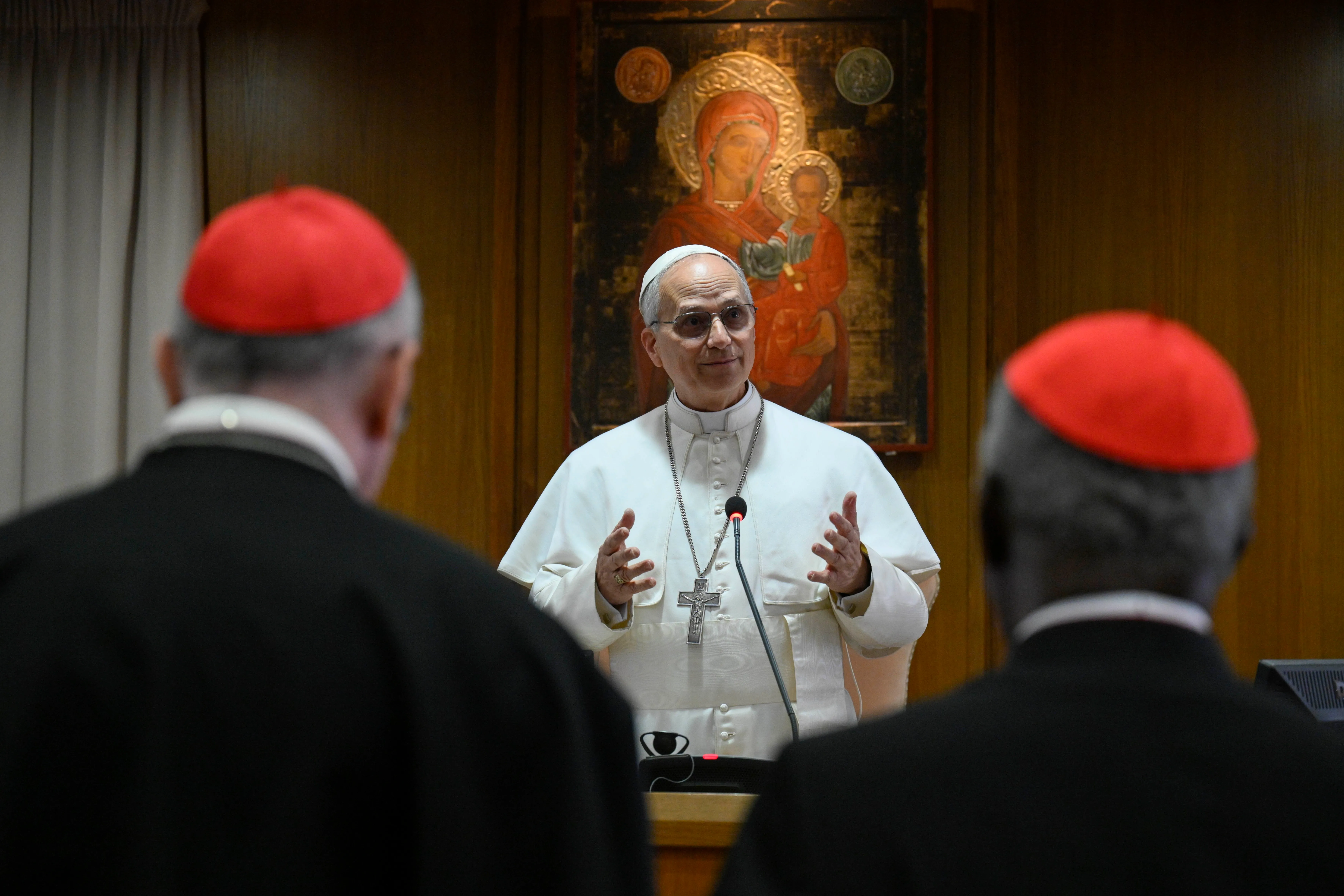
As global policymakers scramble to regulate frontier tech labs, Pope Leo XIV just released his first papal encyclical, Magnifica Humanitas. The 42,000-word document issues a fierce warning against artificial intelligence, condemning the concentration of power among a few corporations and the risk of reducing human beings to optimized data points.
The text itself contains a highly ironic twist. Independent researchers ran the original Italian document through the highly accurate AI-text detector Pangram, and according to a detailed analysis by The Verge, an aggregate of 46% of the sampled text was flagged as AI-generated.
The discovery started on the tech forum LessWrong, where researcher Linch Zhang noticed distinct synthetic patterns in the encyclical’s phrasing. Zhang broke the document down and found that individual chapters triggered the Pangram detector at rates varying between 18% and 62%. The technical reality of catching synthetic text in a theological document is fascinating, highlighting how deeply large language models have penetrated traditional institutional workflows.
The Vatican actively invited Silicon Valley executives to the official presentation of the document. Anthropic co-founder Chris Olah spoke alongside Church officials at the event. He praised the Vatican’s intervention, calling Church leaders “informed critics” who possess the institutional weight to check the commercial incentives driving modern algorithm development.
How Magnifica Humanitas Rewrites Traditional ‘Just War’ Theory
Pope Leo XIV deliberately structured this new release as a modern successor to Pope Leo XIII’s 1891 encyclical Rerum Novarum. That 19th-century text addressed the labor abuses of the Industrial Revolution. The current Pope treats the artificial intelligence boom as an equally disruptive anthropological event requiring immediate legal boundaries.
The Pope explicitly calls for international law to “disarm” artificial intelligence. He singled out the development of autonomous weaponry for absolute condemnation. By delegating life-and-death decisions to machines, the Pope declared that the ethical distance makes it too easy to justify conflict, rendering the Church’s centuries-old “just war” theory functionally outdated.