
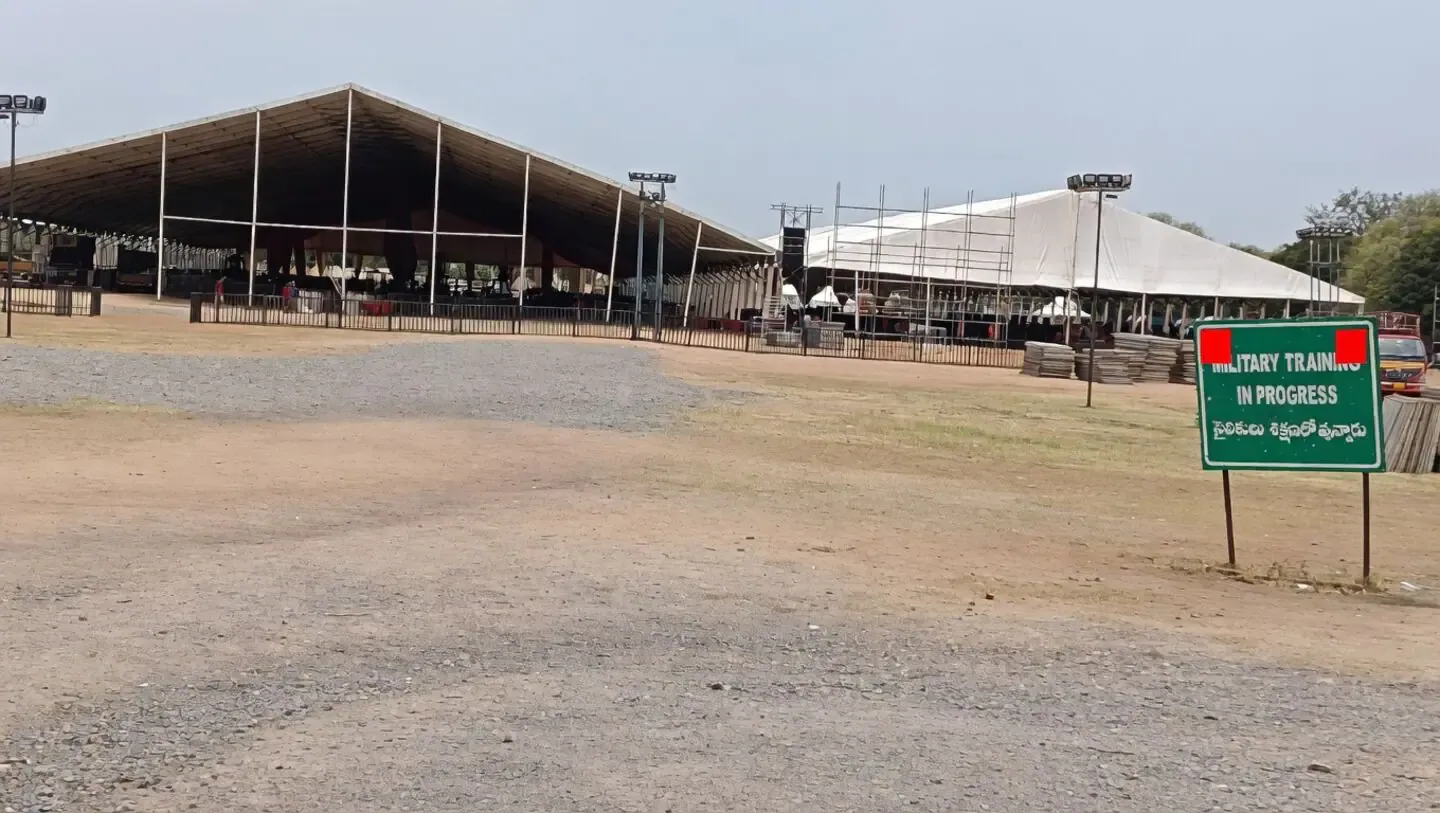
Prime Minister Narendra Modi is asking Indian citizens to revive work-from-home protocols and strictly conserve fuel. Speaking at a public rally in Secunderabad on Sunday, he issued a stark appeal for economic restraint. The target is to safeguard India’s foreign exchange reserves. Global crude oil prices are currently hovering near $110 per barrel. The surge is directly tied to the escalating military conflict involving the US, Israel, and Iran, which has choked vital shipping lanes through the Strait of Hormuz.
Modi went further. He asked the public to pause gold purchases and cancel non-essential foreign travel. The directives highlight the severe macroeconomic pressure building inside the country.
State leadership is already falling in line. Addressing the potential for a localized crisis, Maharashtra Chief Minister Devendra Fadnavis echoed the warning. He told the public that while supplies remain steady for now, India could face immediate fuel shortages if resources are not managed with intense restraint. Global markets are feeling the squeeze across multiple sectors, as seen with pump prices surging in international jurisdictions.
The raw numbers explain the urgency. India’s foreign exchange reserves dropped by $7.79 billion down to $690.69 billion during the week ending May 1. Just months ago in late February, reserves sat at an all-time high of $728.49 billion before the Middle East conflict widened.
Foreign portfolio investors have aggressively pulled Rs 1.8 lakh crore out of the market in the first four months of the year. The Reserve Bank of India has stepped in. The central bank is actively selling dollars to prevent a catastrophic slide in the rupee.
How the Hormuz Blockade Accelerates the Rupee’s Slide
India imports more than 80% of its crude oil requirements. When the Strait of Hormuz becomes impassable, the national import bill expands exponentially. Every dollar increase in global crude prices drains foreign exchange directly from the RBI’s coffers.
The call for voluntary public rationing marks a significant shift in government strategy. Instead of relying solely on monetary policy or raising domestic fuel taxes to curb demand, the administration is attempting to engineer a behavioral shift. Returning to pandemic-era remote work models would instantly drop urban fuel consumption.
If citizens halt gold imports, which traditionally spike during economic uncertainty, the RBI gains crucial breathing room to manage the currency depreciation. The combination of constrained household spending and reduced daily commuting offers a direct, physical buffer against global energy volatility.