
Paramount Skydance is scrambling to save the largest proposed media acquisition in history. The company officially requested a three-day evidentiary hearing to defend its $110 billion merger with Warner Bros. Discovery against a sweeping state-led antitrust blockade.
A federal judge slammed the brakes on the mega-merger earlier this week, granting a 14-day temporary restraining order. Now, Paramount is fighting the clock. If the deal misses its September 30 closing deadline, the company will be hit with a massive $200 million per month in penalty fees owed directly to Warner Bros. Discovery shareholders.
U.S. District Judge Araceli Martínez-Olguín completely altered the timeline on Monday by issuing the restraining order. That mandate pauses all consolidation operations between the two entertainment giants. Judge Martínez-Olguín expedited the legal schedule, setting a critical preliminary injunction hearing for August 3, according to CBS News.
Paramount originally wanted more time to build its defense. In a court filing submitted on Wednesday, the company requested the court block off three days for a comprehensive evidentiary hearing sometime during the week of August 17 or August 24, TheWrap reported.
Waiting that long carries severe financial risk. During the initial hearings, Paramount’s legal counsel laid out the trap built into the acquisition agreement. If the deal fails to finalize by September 30, Paramount is legally obligated to pay a $200 million monthly penalty. To put that in perspective, every single day the merger sits frozen costs the company roughly $6.6 million.
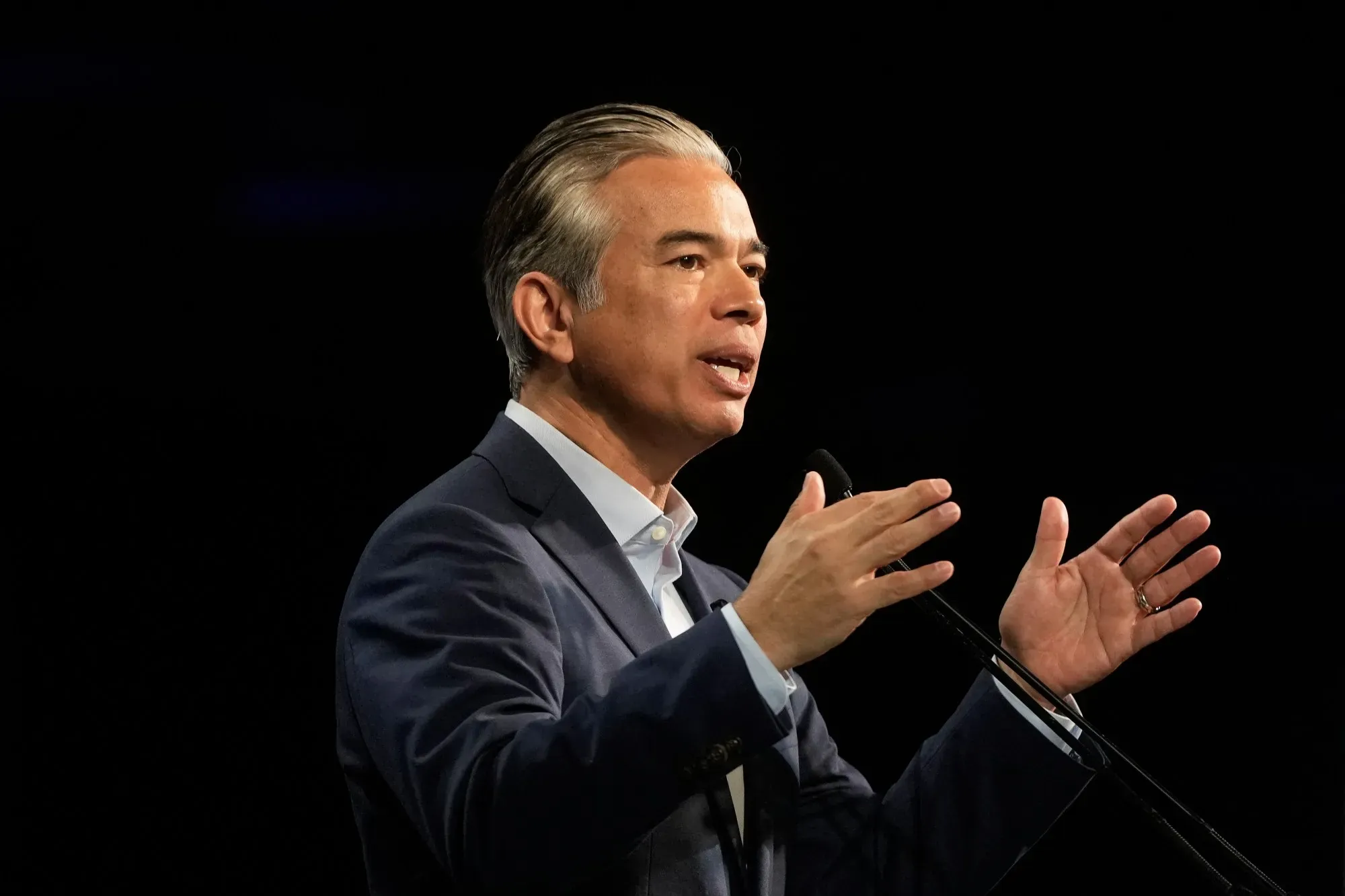
A coalition of 12 state attorneys general, led by California AG Rob Bonta, orchestrated the current blockade. Their lawsuit argues that combining these two companies violates Section 7 of the Clayton Act. If merged, the new corporate entity would control almost a third of all basic cable programming and roughly 27% of the wide-release theatrical film distribution market.
To justify the temporary halt, the states reached deep into legal history. They heavily relied on a 63-year-old legal precedent: the U.S. Supreme Court’s 1963 decision in U.S. v. Philadelphia National Bank, which established firm guardrails against corporate consolidation.
The legal deadlines are incredibly tight. The coalition of states must submit their formal motion for a preliminary injunction by Thursday. Paramount is required to file its official opposition by July 27.
How Philadelphia National Bank Precedent Threatens the Skydance Entertainment Empire
The states’ reliance on the 1963 U.S. v. Philadelphia National Bank ruling is the most dangerous hurdle for this $110 billion deal. That specific Supreme Court case established the “structural presumption” rule. It dictates that if a merger significantly increases market concentration in an already concentrated industry, it is automatically presumed to be anti-competitive.
By successfully arguing that the combined company would command 27% of theatrical distribution and a third of basic cable, the attorneys general shifted the burden of proof. Paramount and Warner Bros. Discovery now have to legally prove their union will not harm consumers. If they cannot convince Judge Martínez-Olguín to lift the block by August 3, the preliminary injunction will stick, making the September 30 closing date—and avoiding the $200 million monthly late fees—mathematically impossible.