
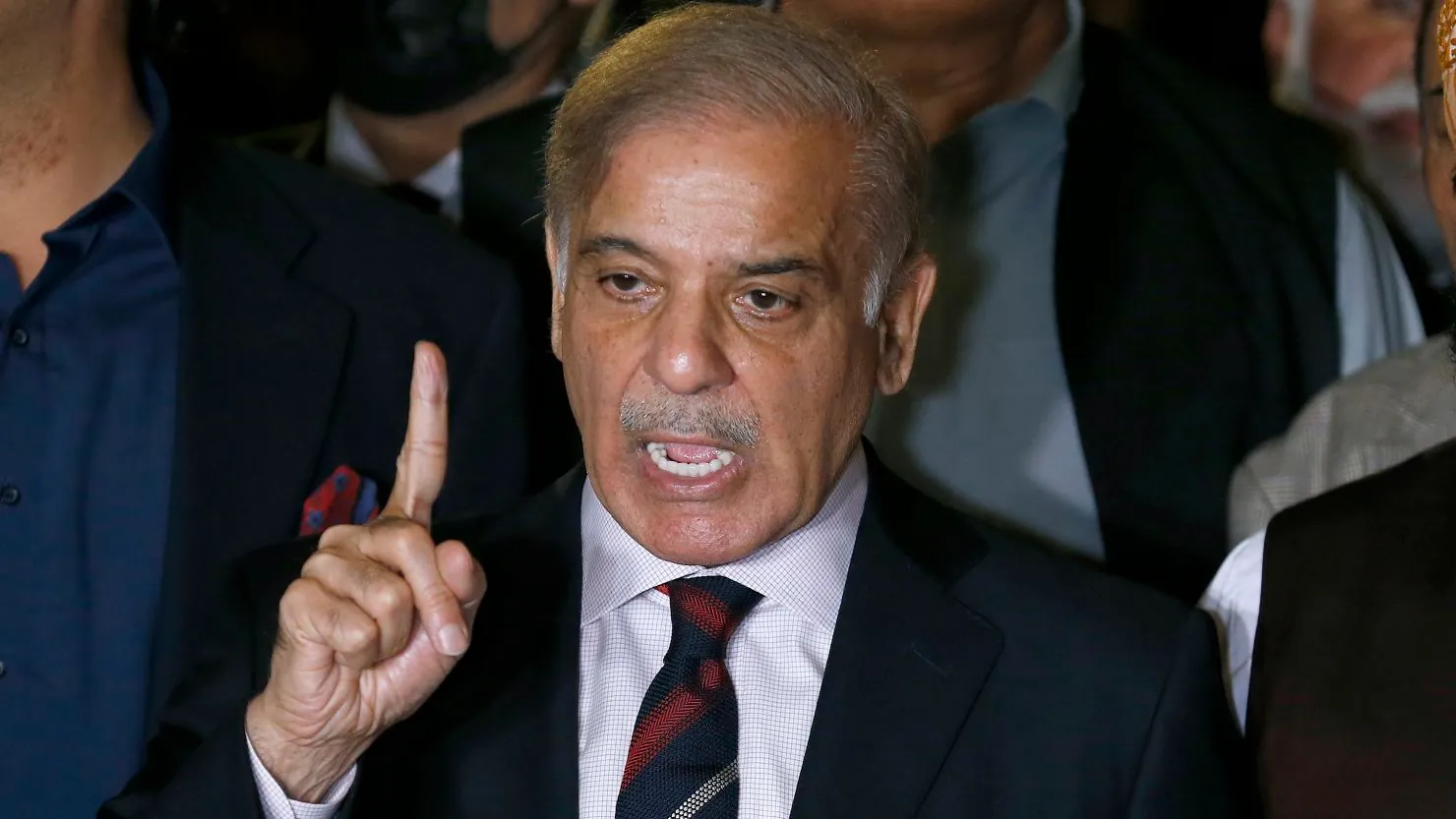
The ongoing global fuel volatility, driven directly by the halted US-Iran war and the subsequent crisis in the Strait of Hormuz, has forced another pricing adjustment in South Asia. The Shehbaz Sharif-led government in Pakistan officially reduced the price of petrol by PKR 6 and high-speed diesel by PKR 6.80 per litre, according to an official Friday night announcement of the PKR 6 fuel price cuts amid the US-Iran war pressures.
Following the cut, petrol is now priced at PKR 403.78 per litre across the country, while high-speed diesel sits at PKR 402.78 per litre. The new rates are effective as of May 23, 2026.
This marks the second consecutive weekly reduction for Pakistani consumers. The government previously implemented a PKR 5 cut for both fuels on May 16. The administration instituted a policy of reviewing fuel prices every Friday night to calibrate domestic rates against international crude benchmarks, attempting to provide relief to the transport sector and middle-class households.
The geopolitical conflict that broke out on February 28, 2026, drove international crude oil prices from $70 per barrel to over $100 per barrel. The Shehbaz Sharif government’s specific pricing decisions are tied to the Hormuz crisis and these global crude oil fluctuations. Earlier in the year, the administration was forced to hike petrol and diesel prices by a record PKR 55 per litre on March 6 to absorb the initial shock of the war.
Diverging Fuel Strategies in South Asia
India is taking a completely different approach to the global crude constraints. While Pakistan reduces consumer rates, the Indian government has consistently raised fuel prices over the past two weeks.
On May 23, petrol in Delhi increased by 87 paise, reaching ₹99.51 per litre, and diesel rose by 91 paise to ₹92.49 per litre. This represents India’s third fuel price hike in a span of just nine days. The differing approaches highlight how neighboring economies manage identical external supply pressures, with Islamabad passing recent crude stabilization directly to consumers while New Delhi recovers earlier absorption costs.