
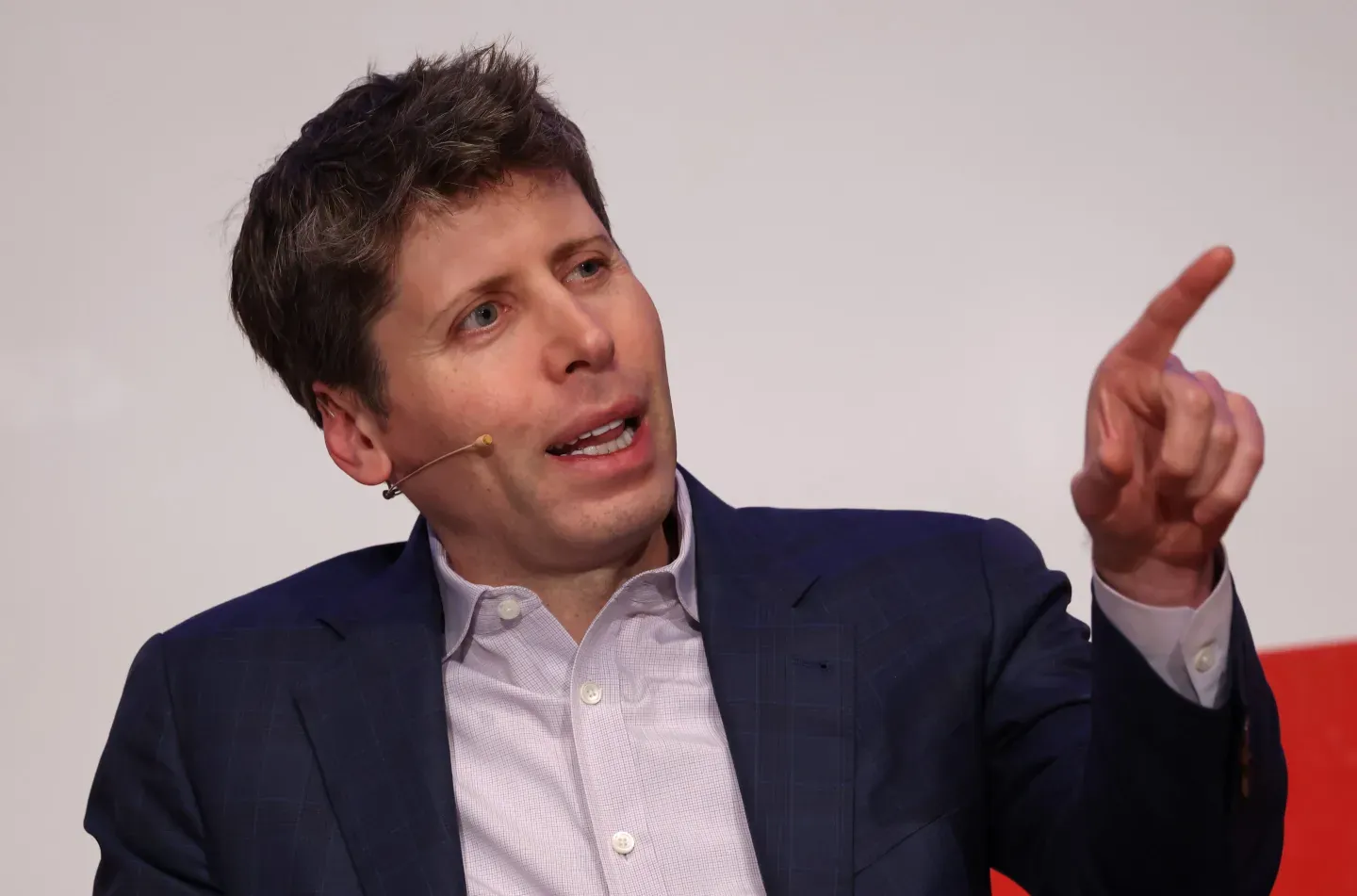
A corporate rebellion against inflated artificial intelligence bills is actively forcing the industry’s top developers into a corner. Enterprise clients are rejecting “tokenmaxing,” a term describing the unchecked consumption of AI compute tokens without a clear financial return on investment. With computing budgets tightening, OpenAI CEO Sam Altman is currently considering “drastic token price cuts” for developers and enterprise clients to stop the bleeding and defend a shrinking market share.
The pricing strategy arrives during a harsh financial window for the company. OpenAI posted a -122% adjusted operating margin in the first quarter of 2026, effectively losing $1.22 for every dollar earned. At the same time, ChatGPT’s share of global generative AI web traffic plummeted from 77.6% in May 2025 to 53.7% in April 2026. Both OpenAI and its primary rival, Anthropic, confidentially filed for initial public offerings this month.
DeepSeek Sets a Cheaper Baseline
Open-source and international developers are beating the US giants to the bottom of the pricing tier. China’s DeepSeek hit 541 million monthly visits in May 2026, ranking fifth globally. The company recently locked in its DeepSeek V4-Pro API prices at a permanent 75% discount from its April list rates.
This aggressive discounting provides a highly capable, ultra-cheap alternative for businesses. It also puts intense pressure on Anthropic, which successfully captured the enterprise coding market with its “Claude Code” tool. Anthropic achieved its first profitable quarter in Q2 2026. The company’s annualized revenue run rate surged 422% in five months, jumping from $9 billion at the end of 2025 to $47 billion by May 2026. According to the Ramp AI Index, more companies are now actively paying for Anthropic’s services than for OpenAI’s.
The looming race to the bottom creates immediate anxiety for infrastructure providers like Amazon and Microsoft. If AI developers compress their profit margins to fight for market share, it threatens their ability to sustain high spending on data centers and advanced chips, according to a report examining hyperscaler anxiety over downstream infrastructure spending.
How the Multi-Model Era Ends AI Vendor Lock-In
The era of strict vendor lock-in is officially ending. Enterprise clients quickly adopted a multi-model strategy over the last year. Organizations now run OpenAI, Anthropic, and open-source models in parallel based entirely on cost and specific task requirements.
This structural change strips away customer loyalty. It reduces AI from a premium novelty to a commoditized utility where token pricing is the primary competitive advantage. Industry analysts compare this specific tension to the early cloud computing price wars driven by tokenmaxing frustration, where major providers engaged in a margin-crushing race to the bottom on storage costs before the market eventually stabilized into an oligopoly.