
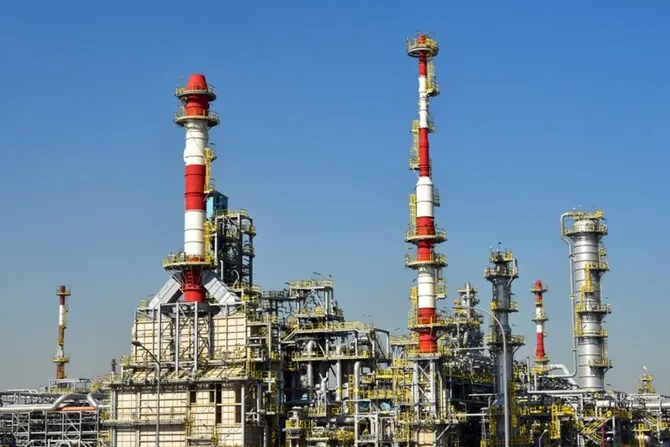
Global oil markets spiked sharply as the interim peace agreement between the United States and Iran completely collapsed over the weekend. Brent crude surpassed $90 a barrel—climbing more than 3%—while West Texas Intermediate (WTI) rose 2.8% to trade near $85 a barrel.
The aggressive commodity movements follow a rapid escalation in regional warfare. Iran formally withdrew from the cease-fire on Saturday, initiating a series of strikes targeting regional infrastructure, while President Donald Trump announced the U.S. is reimposing a naval blockade on Iranian ports near the Strait of Hormuz. U.S. stock index futures remained heavily muted in response, with Dow Jones futures dropping roughly 50 points as S&P 500 and Nasdaq-100 futures held flat.
Infrastructure Strikes Disrupt Regional Supply
The physical conflict expanded beyond traditional military targets following the deaths of three American service members on Friday. The U.S. military responded by striking a nuclear power plant currently under construction in southwestern Iran.
Simultaneously, Iranian forces launched cross-border attacks into Jordan, Bahrain, and Kuwait. Kuwait Petroleum Corp. confirmed that one of its oil facilities sustained a direct hit over the weekend, according to Trading Economics. Iran previously warned Houthi forces to prepare for disrupted shipping in the Red Sea if its domestic power infrastructure faced retaliation.
Equities Await Tech Earnings Relief
While energy markets react violently to the supply chain threats, the broader equities market is showing caution rather than outright panic. U.S. stock index futures are balancing the geopolitical risk against highly anticipated corporate earnings.
Investors are looking toward scheduled reports from Alphabet and Tesla this week, hoping strong tech balance sheets can offset the steep selloff in semiconductor stocks that recently pushed the PHLX Semiconductor Index into bear-market territory, Morningstar reports.
The sustained pressure on shipping routes has fundamentally reversed mid-summer commodity lows. Oil prices are now up nearly 30% from their July baseline, driven by fears that the Strait of Hormuz could face prolonged blockages under the reinstated U.S. naval operations, a vulnerability tracked closely by The Business Times.
How the Strait of Hormuz Blockade Alters Q3 Forecasts
The immediate reinstatement of the U.S. naval blockade marks a severe policy shift that directly threatens the flow of roughly 20% of the world’s liquid petroleum consumption. By physically restricting Iranian ports, the U.S. introduces a major supply bottleneck that historically forces Asian markets to bid up alternative Middle Eastern crude sources.
For the broader stock market, the isolation of the energy spike from tech equities suggests investors are currently treating the Middle East conflict as a localized commodity shock rather than a systemic macroeconomic failure. But if Brent crude sustains its position above $90, the resulting inflationary pressure on transportation and manufacturing costs will directly challenge the Federal Reserve’s rate trajectory for the remainder of 2026.